
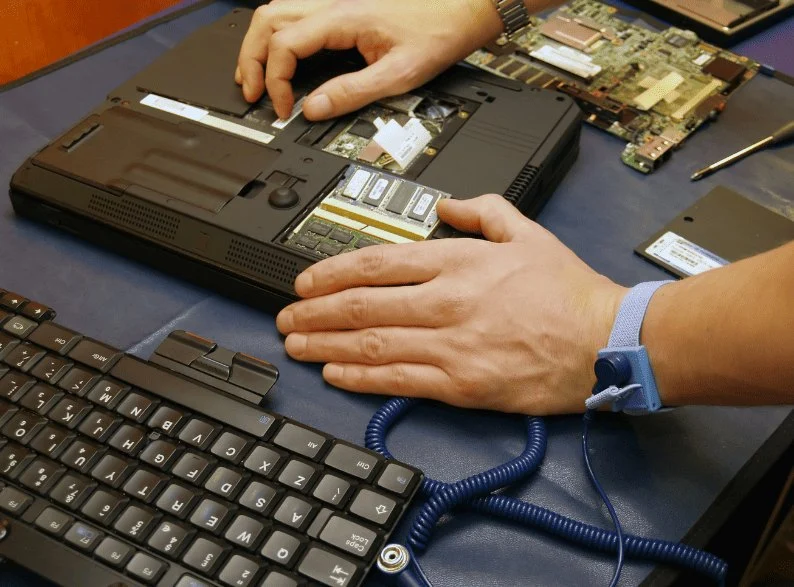
- how-to-restore-water-damaged-electronics-first-response-steps
- what-not-to-do-after-liquid-exposure-to-electronic-devices
- safe-drying-methods-and-corrosion-prevention-strategies
- real-life-water-damage-recovery-case-and-lessons-learned
- when-to-seek-professional-help-from-Reliable-Damage-Hub
Understanding How Water-Damaged Electronics Can Still Be Saved
When people search for how to restore water-damaged electronics, they are usually in a moment of panic—phones dropped in sinks, laptops hit by coffee spills, or devices caught in unexpected rain. The truth is, water damage does not always mean immediate failure, but the way you respond in the first few minutes is critical.
Modern electronics are more resilient than ever, but they are still vulnerable to liquid exposure because of internal circuits, microchips, and corrosion-sensitive components. Acting quickly and correctly can mean the difference between recovery and permanent damage.
Understanding the right steps is not just helpful—it can save expensive devices and irreplaceable data.
Giants / dry kings restoration of san francisco
San FranciscoSan Francisco CountyCalifornia
685 Geary Blvd, San Francisco, CA 94102, USA
What Happens Inside Electronics After Water Exposure
Immediate electrical disruption
When liquid enters a device, it can create unintended electrical pathways. This may lead to short circuits, even if the device still appears to function at first.

Drip Restoration / valleywide restoration mesa az
932 S Stapley Dr, Mesa, AZ 85204, USA
Corrosion begins quickly
Within hours, minerals in water start reacting with metal components. This process slowly destroys circuits even after the device is turned off.
Delayed failure risk
A common misconception is that if a device works after drying, it is safe. In reality, hidden corrosion often causes failure days or weeks later.
First Response Steps That Make or Break Recovery
Step 1: Power off immediately
The most important action is shutting down the device. Keeping it on increases the chance of short circuits.
Step 2: Remove external power sources
Unplug chargers, remove batteries if possible, and disconnect accessories to stop electrical flow completely.
Step 3: Drain visible liquid
Gently tilt the device to remove excess water. Avoid shaking aggressively, which may spread moisture further inside.
Step 4: Dry the surface safely
Use a soft cloth to remove external moisture without pushing liquid deeper into ports or openings.
Common Mistakes That Make Water Damage Worse
Using heat sources like hair dryers
High heat can warp internal components and push moisture deeper into circuits instead of removing it.
The rice myth
Many believe placing a phone in rice helps dry it. While rice may absorb some surface moisture, it does little for internal liquid trapped in circuits. This is one of the most widespread misconceptions in water damaged phone recovery.
Turning the device back on too soon
Powering on before full drying can permanently short-circuit internal systems.
Safe Methods for Restoring Water-Damaged Electronics
Controlled air drying
Leaving devices in a dry, ventilated environment allows gradual evaporation. This is safer than applying heat or pressure.
Silica gel drying method
Silica gel packs are more effective than rice because they actively absorb moisture from the surrounding air and device interior.
Professional cleaning for internal corrosion
In many cases, internal cleaning with specialized tools is required to remove corrosion before it spreads.
Real-Life Case: A Laptop Saved After Coffee Spill
A freelance designer once spilled coffee on a laptop during a morning work session. Instead of immediately turning it on to “check if it still works,” the user followed proper emergency steps: powered it off, disconnected all accessories, and left it to dry with silica gel packets.
However, a faint odor and intermittent keyboard failure appeared two days later. A repair technician discovered early corrosion on the motherboard. Because the issue was caught early, a full replacement was avoided.
This case shows that even when recovery seems successful, internal damage can still develop silently.
Signs Your Electronics May Still Be Damaged
Random shutdowns or restarts
This often indicates unstable power flow caused by internal corrosion.
Overheating without heavy usage
Moisture damage can disrupt thermal regulation systems.
Unresponsive buttons or touchscreen issues
Liquid can affect connectors and sensors even after surface drying.
When Professional Repair Becomes Necessary
While basic drying methods can help in mild cases, more serious water exposure requires expert intervention. Devices that were submerged or exposed to conductive liquids like soda, saltwater, or coffee often need internal cleaning.
Platforms like Reliable Damage Hub help users understand repair options and connect with services that specialize in electronics restoration and corrosion removal.
Professional treatment often includes ultrasonic cleaning, board-level repair, and micro-component replacement—procedures not possible with home methods.
Why Timing Matters More Than Anything Else
In liquid damage cases, time is the most important factor. The longer moisture remains inside a device, the more extensive corrosion becomes. Acting within minutes instead of hours significantly improves recovery chances.
Even if a device appears fine, early preventive care can stop long-term failure and data loss.
How to Reduce Future Water Damage Risks
Using protective cases
Water-resistant cases reduce exposure during accidental spills or rain.
Avoiding high-risk environments
Keeping electronics away from kitchens, pools, and bathrooms reduces accidental exposure.
Regular backups
Even with perfect care, accidents happen. Regular data backups ensure important information is never lost.
 ServiceMaster By Just In Time1.0 (1 reviews)
 Property Craft of Loveland/Fort Collins, CO4.0 (20 reviews)
 Home Services Restoration, LLC5.0 (75 reviews)
 The Mold Guyz4.0 (115 reviews)
 Paul Davis Restoration of DuPage4.0 (45 reviews)
 COIT Cleaning & Restoration4.0 (178 reviews)
 How to Dry Out Water-Damaged Concrete Surfaces
 How to Repair Water Damage From Basement Flooding: A Comprehensive Guide
 How to Repair Water Damage to Drywall Seams and Joints: Step-by-Step Guide
 How to Manage Water Damage in Multi-Family Units
 How to Fix Water Damage to Interior Systems | Complete Repair Guide
 How to Spot Hidden Water Damage in Your Home’s Foundation