hvac-water-damage – How to Handle Water Damage From HVAC Systems
hvac-system-leak-repair – How to Repair Leaks in HVAC Systems Causing Water Damage
preventing-hvac-water-damage – Tips for Preventing Water Damage in HVAC Systems
signs-of-hvac-water-damage – How to Identify Water Damage in HVAC Systems
hvac-water-damage-restoration – Restoration Services for Water Damage Caused by HVAC Systems
How to Handle Water Damage From HVAC Systems
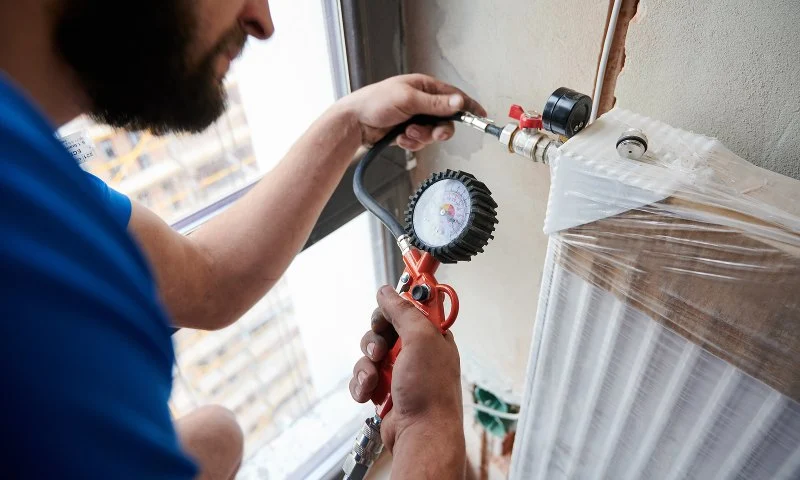
Water damage caused by HVAC systems is a serious issue for homeowners and business owners alike. If left unchecked, it can lead to costly repairs, mold growth, and even damage to the structure of your home or office. Whether it's from a leaking air conditioning unit, blocked drain lines, or improper installation, understanding how to handle water damage caused by HVAC systems is crucial to maintaining a safe and functional living or working environment.
In this guide, we’ll explore the common causes of HVAC-related water damage, how to identify the problem early, and what steps you can take to restore your system and prevent future issues. Proper maintenance and timely intervention can help you avoid major water damage, saving you money in the long run.
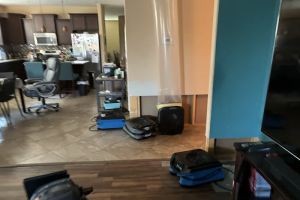
Drip Restoration / valleywide restoration mesa az
932 S Stapley Dr, Mesa, AZ 85204, USA
How to Repair Leaks in HVAC Systems Causing Water Damage
One of the most common causes of water damage in homes and commercial buildings is a leaking HVAC system. A leak can occur for various reasons, such as a clogged condensate drain, a faulty pump, or an issue with the evaporator coil. Here’s a step-by-step guide on how to address HVAC leaks and prevent further water damage:
1. Turn Off the HVAC System:
As soon as you notice water pooling around your HVAC unit, turn off the system immediately to avoid further damage. This will stop the flow of water and prevent the issue from worsening.
2. Inspect the Condensate Drain:
The most common source of water damage in HVAC systems is a clogged condensate drain. Over time, dirt, algae, and other debris can clog the drain, causing water to back up and leak out of the system. Check the drain for blockages, and use a wet/dry vacuum or a pipe cleaner to clear it.
3. Check the Condensate Pump:
If your HVAC system has a condensate pump, make sure it’s functioning properly. A faulty pump can lead to water backups and leaks. If the pump is damaged, it will need to be replaced.
4. Inspect the Evaporator Coil:
A frozen evaporator coil can cause water to build up inside the unit, leading to leaks. If you find that your evaporator coil is frozen, it’s essential to thaw it out and address the root cause of the freezing. Common causes include low refrigerant levels, poor airflow, or clogged air filters.
5. Call a Professional:
If you’re unable to fix the issue on your own, it’s best to contact a professional HVAC technician. They have the expertise and tools to diagnose and repair the problem safely and effectively.
Taking care of leaks in your HVAC system promptly can help you prevent extensive water damage and ensure your unit continues to run efficiently.
Giants / dry kings restoration of san francisco
San FranciscoSan Francisco CountyCalifornia
685 Geary Blvd, San Francisco, CA 94102, USA
Tips for Preventing Water Damage in HVAC Systems
Prevention is always better than cure when it comes to HVAC-related water damage. Regular maintenance and proactive measures can help you avoid the most common causes of water damage in HVAC systems. Here are some helpful tips to prevent future issues:
1. Schedule Regular HVAC Maintenance:
Routine maintenance is essential to keep your HVAC system running smoothly. Hire a professional technician to inspect and clean your system at least once a year. This will help detect potential issues before they turn into costly problems, such as water damage from a clogged condensate drain or malfunctioning pump.
2. Clean and Replace Air Filters:
Dirty or clogged air filters can restrict airflow and cause your evaporator coil to freeze, leading to water damage. Clean or replace your filters regularly to maintain optimal airflow and prevent unnecessary strain on your system.
3. Install a Secondary Drain Line:
For added protection, consider installing a secondary drain line. This will serve as a backup in case the primary condensate drain becomes clogged, ensuring that water has a safe path to flow and preventing it from leaking into your home or business.
4. Use a Drain Pan:
A drain pan installed under your HVAC unit can catch any water that leaks from the system. It’s important to regularly check and clean the pan to ensure it remains free of debris and functioning properly.
By following these simple maintenance practices, you can significantly reduce the risk of water damage from your HVAC system and keep it operating efficiently for years to come.
How to Identify Water Damage in HVAC Systems
Water damage from HVAC systems can sometimes go unnoticed until it has already caused significant issues. Identifying the early signs of water damage is crucial to prevent long-term damage to your property and HVAC system. Here are some common signs that your HVAC system may be causing water damage:
1. Water Stains or Pooling Water:
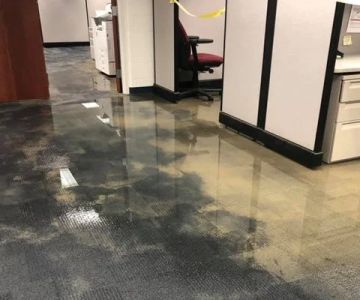
The most obvious sign of water damage is the presence of water stains on the ceiling, walls, or floor near your HVAC unit. If you notice any water pooling around the system, it’s a clear indication that there’s a leak somewhere.
2. Musty Odors:
If you smell mold or mildew when your HVAC system is running, it could be a sign that excess moisture is accumulating within the system. This can lead to mold growth, which can be harmful to both your health and the structural integrity of your property.
3. Reduced Cooling Efficiency:
If your HVAC system is struggling to cool your home or business, it may be due to a frozen evaporator coil caused by water buildup. A decrease in cooling efficiency can also indicate that there’s a blockage or malfunction in the system.
4. Unusual Sounds:
If you hear gurgling, dripping, or hissing noises coming from your HVAC system, it may be a sign that there’s water trapped inside the unit or that there’s a refrigerant leak, both of which can lead to water damage.
If you notice any of these signs, it’s important to take immediate action by contacting a professional HVAC technician for inspection and repair.
Restoration Services for Water Damage Caused by HVAC Systems
When water damage occurs due to an HVAC system, it’s important to address the issue as soon as possible to minimize further damage. Professional water damage restoration services can help repair and restore the affected areas, ensuring your home or business is safe and functional.
1. Water Extraction:
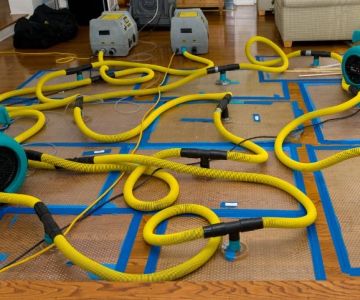
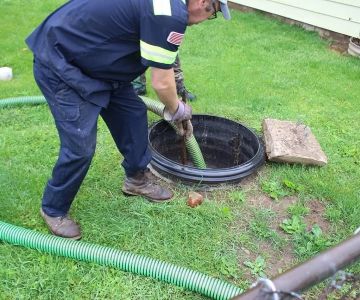
The first step in the restoration process is water extraction. A professional water damage restoration company will use specialized equipment to remove standing water and moisture from the affected areas.
2. Drying and Dehumidification:
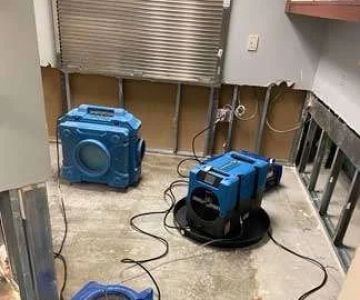
Once the water is removed, the next step is to thoroughly dry and dehumidify the area. This is crucial to prevent mold growth and further water damage to the structure of your property.
3. Mold Remediation:
If mold has started to grow due to prolonged water exposure, mold remediation services will be necessary. Restoration professionals can remove mold, sanitize the affected areas, and ensure that your property is safe for occupancy.
4. Repairs and Reconstruction:
After the water is removed and the area is dried, the final step involves repairs and reconstruction. This may include replacing damaged drywall, flooring, or insulation, as well as ensuring that your HVAC system is properly repaired and functioning.
Choosing a reliable water damage restoration company with experience in HVAC-related damage will help ensure that your property is fully restored and protected from future issues.
 SERVPRO of The Lower Shore, Mid-Upper Shore and Talbot / Dorchester3.0 (38 reviews)
 Truvorne4.0 (11 reviews)
 Ionic Fresh4.0 (83 reviews)
 Great Lakes Contracting Services LLC4.0 (67 reviews)
 Accurate water & fire restoration5.0 (20 reviews)
 Eco-Green of Arizona5.0 (85 reviews)
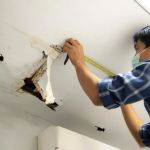 DIY Water Damage Repair: A Guide to When to Do It Yourself vs. Calling Pros
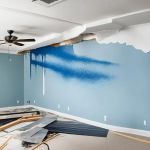 How Long Does Water Damage Restoration Take? A Homeowner’s Guide
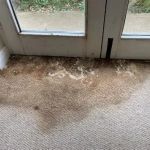 Effective Water Damage Repair for Carpets and Rugs - Expert Tips
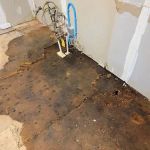 Water Damage Repair for Flooring Transitions: Expert Guide for Homeowners
 How to Repair Water Damage for Tile and Grout: A Complete Guide
 How to Restore Water-Damaged Clothing and Textiles