
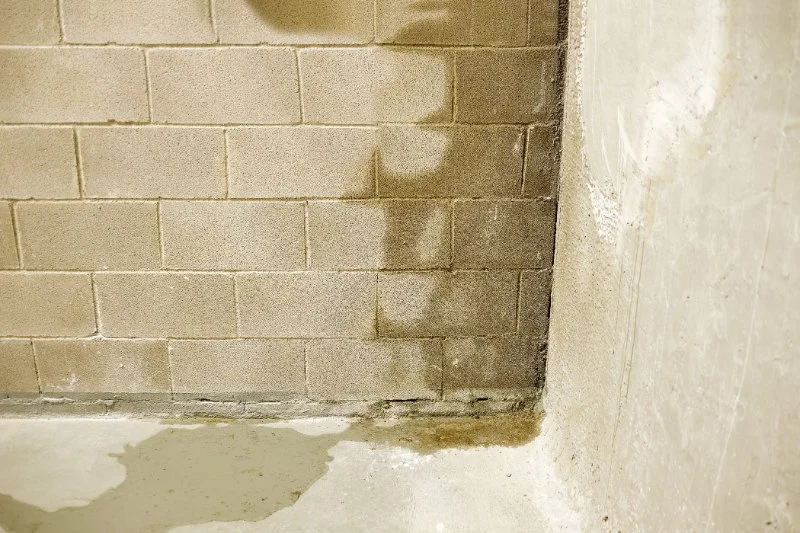
- Understanding Water Damage in Basement Walls
- Identifying the Source of Water
- Steps to Repair Water Damage in Basement Walls
- Preventing Future Water Damage
- When to Seek Professional Help
Understanding Water Damage in Basement Walls
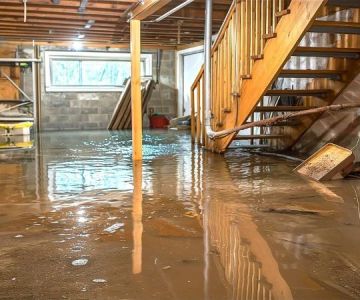
Water damage in basement walls is a common issue that can lead to significant structural problems if not addressed promptly. The combination of moisture, humidity, and poor drainage can weaken your basement walls and create an environment conducive to mold growth. Whether the water seepage is minor or extensive, understanding the problem and fixing it as soon as possible is crucial to maintaining a dry and safe basement.
SERVPRO of Pompano Beach / servpro fort lauderdale south
Pompano BeachBroward CountyFlorida
2101 NW 33rd St #200a, Pompano Beach, FL 33069, USA
Identifying the Source of Water
The first step in repairing water damage to your basement walls is identifying the source of the water. There are several common causes of water infiltration in basements:

Drip Restoration / valleywide restoration mesa az
932 S Stapley Dr, Mesa, AZ 85204, USA
1. Cracks in the Foundation
Cracks in the foundation of your home are one of the most common causes of water seepage. Over time, these cracks can allow water to enter the basement, especially during heavy rain or when the ground is saturated. It’s important to inspect the walls for visible cracks and signs of moisture.
2. Poor Drainage Around the Home
Improper grading or clogged gutters can lead to water pooling around the foundation. When this happens, water can seep through the basement walls. Ensure that the ground slopes away from the house and that gutters and downspouts are clear and functioning properly.
3. Leaky Pipes or Plumbing Issues
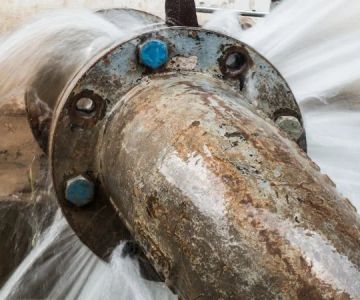
If you notice water stains or mold near plumbing fixtures in your basement, leaky pipes could be the culprit. Check for any visible signs of leaks or condensation around your pipes.
4. High Water Table
In some areas, a high water table can cause water to seep through basement walls. This is particularly common in homes built on low-lying areas or near bodies of water. You may need specialized waterproofing techniques if the water table is a significant issue.
Steps to Repair Water Damage in Basement Walls
Once you’ve identified the source of the water, you can begin the repair process. Here’s a step-by-step guide to help you address and fix water damage in your basement walls:
1. Assess the Extent of the Damage
Before beginning any repairs, assess the damage to determine the severity. Look for cracks in the walls, discoloration, mold growth, or areas where the drywall has started to crumble. If the damage is extensive, you may need to replace drywall or insulation, which may require professional assistance.
2. Dry the Area Thoroughly
The first thing you need to do is ensure that the basement is dry. Use fans, dehumidifiers, and ventilation to remove excess moisture. If the water damage was recent, this step is crucial to prevent further mold growth.
3. Repair Cracks in the Walls
If you’ve identified cracks in your basement walls, it’s time to repair them. You can use hydraulic cement or epoxy injections to fill in the cracks and prevent further water seepage. Apply the material according to the manufacturer’s instructions, and allow it to cure fully before proceeding with other repairs.
4. Replace Damaged Drywall and Insulation
If your basement walls have damaged drywall or insulation due to water exposure, it’s best to replace them. Cut out the affected drywall, remove any wet insulation, and install new materials. Be sure to replace insulation with moisture-resistant options to help prevent future issues.
5. Apply a Waterproofing Sealant
After repairing any cracks and replacing damaged materials, apply a waterproofing sealant to your basement walls. This will help prevent future water intrusion and protect the integrity of your walls. There are many types of sealants available, including liquid membranes, cementitious coatings, and epoxy-based products. Choose one that’s designed for your specific needs.
Preventing Future Water Damage
After repairing the water damage, it’s important to take steps to prevent future issues. Here are some tips to keep your basement dry and safe:
1. Improve Drainage Around the Home
Ensure that the soil around your home slopes away from the foundation. This helps direct rainwater away from the basement walls. Installing a French drain or a sump pump system can also help manage water flow and reduce the risk of water damage.
2. Maintain Gutters and Downspouts
Clogged gutters and downspouts can cause water to pool around your home’s foundation. Clean your gutters regularly to ensure that rainwater is directed away from the basement. You may also consider installing gutter guards to minimize debris buildup.
3. Seal Gaps and Cracks in Windows and Doors
Water can seep into your basement through gaps around windows and doors. Inspect the seals around these areas and apply caulking or weatherstripping as needed to create a tight seal and prevent water infiltration.
When to Seek Professional Help
While many minor water damage issues can be handled as DIY projects, there are cases where professional help is necessary. If you are dealing with extensive water damage, large cracks in the foundation, or persistent moisture problems, it’s best to consult a professional contractor or water damage restoration specialist.
Professional services can assess the situation, recommend the best course of action, and provide long-term solutions for waterproofing your basement.
If you need the right tools or products for your basement repair project, be sure to visit Reliable Damage Hub for expert recommendations and top-quality materials to help you restore your basement to its original condition.
 Trident Restoration5.0 (1 reviews)
 Rapid Rooter Sewer and Drain5.0 (111 reviews)
 Salt River Restoration5.0 (1251 reviews)
 ServiceMaster By Eagle Eye Cleaning and Restoration4.0 (57 reviews)
 NJ Water and Mold4.0 (131 reviews)
 PuroClean of Shreveport4.0 (196 reviews)
 How Water Damage Affects Your Home's Air Quality and How to Improve It
 How to Assess Water Damage After a Pipe Burst: Key Steps for Homeowners
 How to Prevent Water Damage From Leaky Appliances
 How to Handle Water Damage From Burst Pipes – Expert Tips and Solutions
 How to Spot and Fix Water Damage in Your Walls
 The Best Materials for Water Damage Prevention in Your Home