
- 1- Understanding Water Damage in Industrial Buildings
- 2- Common Causes of Water Damage in Industrial Buildings
- 3- Impact of Water Damage on Industrial Buildings
- 4- The Water Damage Restoration Process for Industrial Buildings
- 5- Case Study: Water Damage Restoration in an Industrial Setting
- 6- Preventing Water Damage in Industrial Buildings
1. Understanding Water Damage in Industrial Buildings
Water damage is one of the most common and costly issues that can affect industrial buildings. From factories and warehouses to distribution centers and storage facilities, industrial properties are particularly vulnerable to water damage due to their size, complexity, and the nature of operations within them. Understanding how water damage can occur and its potential consequences is crucial for protecting industrial assets and ensuring quick and effective restoration.
SERVPRO of Pompano Beach / servpro of santa maria
Pompano BeachBroward CountyFlorida
2101 NW 33rd St #200a, Pompano Beach, FL 33069, USA
2. Common Causes of Water Damage in Industrial Buildings
Water damage in industrial buildings can be caused by a variety of factors, ranging from natural disasters to internal operational issues. Some of the most common causes include:
- Roof Leaks: A damaged or aging roof is one of the most common sources of water intrusion in industrial buildings. Roof leaks can result from poor maintenance, storm damage, or deterioration over time.
- Plumbing Failures: Burst pipes, faulty plumbing, or malfunctioning sprinkler systems can lead to significant water damage. In large industrial settings, plumbing failures are particularly concerning due to the scale and potential for widespread water spread.
- Flooding: Heavy rainfall, hurricanes, or snowmelt can cause flooding, which can quickly overwhelm drainage systems, leading to water pooling inside the building.
- Improper Drainage: Poorly designed or clogged drainage systems can lead to water buildup inside the building. Industrial buildings often have large, flat roofs or expansive grounds that require effective drainage to prevent water accumulation.
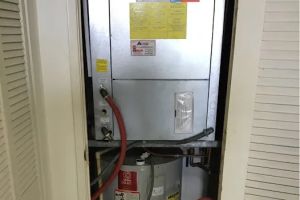
- HVAC System Malfunctions: HVAC systems that are not properly maintained can leak or cause condensation to build up inside the building, leading to moisture problems.
3. Impact of Water Damage on Industrial Buildings
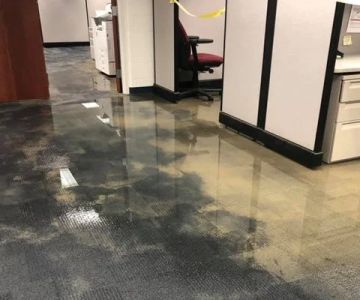
The impact of water damage on industrial buildings can be severe and wide-ranging. Water can compromise the structural integrity of the building, disrupt operations, damage equipment, and pose health and safety risks. Some of the most significant effects of water damage in industrial settings include:
- Structural Damage: Prolonged exposure to water can weaken the structure of the building, leading to compromised foundations, walls, and ceilings. This can cause long-term issues that require expensive repairs or even rebuilding.
- Equipment Damage: Industrial buildings house expensive machinery and equipment, which are particularly vulnerable to water damage. Rust, corrosion, and electrical failures can render equipment unusable, leading to costly repairs or replacements.
- Business Disruption: Water damage can halt operations in industrial settings, leading to production delays, inventory loss, and downtime. This can have a significant impact on revenue and customer satisfaction.
- Health and Safety Hazards: Standing water and moisture can promote the growth of mold and bacteria, creating unhealthy environments for workers. Additionally, water can create slip hazards, increasing the risk of accidents and injuries.
4. The Water Damage Restoration Process for Industrial Buildings
Restoring a building after water damage requires a thorough and systematic approach. The restoration process for industrial buildings typically involves the following steps:
- Assessment and Inspection: The first step in the restoration process is to assess the extent of the water damage. This includes identifying the source of the water, evaluating the affected areas, and determining the level of damage to the structure, equipment, and contents.
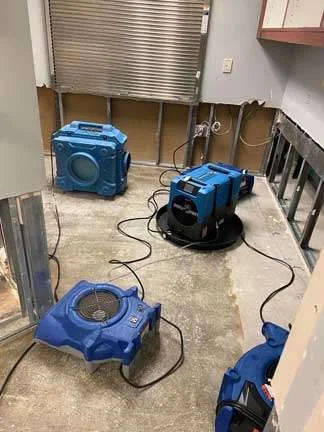
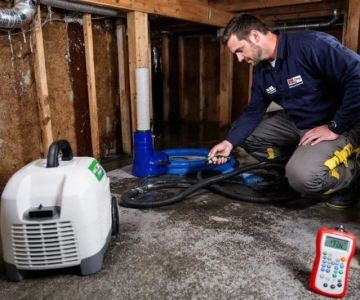
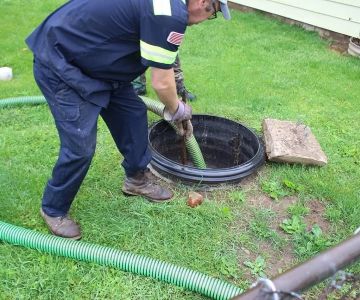
- Water Extraction: Once the damage has been assessed, the next step is to remove any standing water using pumps, vacuums, and other specialized equipment. This step is crucial to prevent further damage and reduce the risk of mold growth.
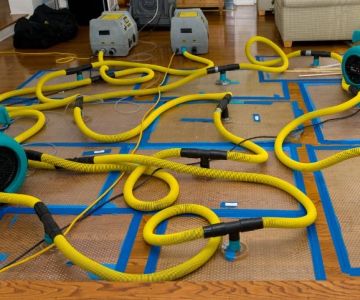
- Drying and Dehumidification: After the water has been extracted, drying and dehumidification equipment is used to remove moisture from the affected areas. This step ensures that all surfaces, including walls, floors, and ceilings, are completely dried to prevent future problems.
- Cleaning and Sanitizing: Water-damaged surfaces and equipment need to be thoroughly cleaned and sanitized to prevent contamination and mold growth. This step may include the use of antimicrobial agents to eliminate harmful pathogens.
- Repairs and Restoration: The final step is to repair any structural damage and restore the building to its original condition. This may involve replacing damaged flooring, repairing electrical systems, or rebuilding walls and ceilings.
5. Case Study: Water Damage Restoration in an Industrial Setting
In 2021, a manufacturing plant in Texas experienced significant water damage after a pipe burst in the building's HVAC system. The water spread quickly throughout the facility, damaging machinery, inventory, and parts of the building’s structure. The plant was forced to shut down for several days, resulting in a loss of production and revenue.
Water damage restoration experts were brought in to assess the situation. The team quickly identified the source of the leak and used specialized equipment to extract the water and dry the affected areas. The team then sanitized the building and made the necessary repairs, including replacing damaged equipment and repairing the plumbing system. The restoration process was completed in less than two weeks, allowing the plant to resume operations without major delays. This case highlights the importance of prompt and professional water damage restoration to minimize downtime and losses in industrial settings.

Wizard Restorations Inc / puroclean of san fernando
Rancho CucamongaSan Bernardino CountyCalifornia
10245 8th St, Rancho Cucamonga, CA 91730, USA
6. Preventing Water Damage in Industrial Buildings
While it’s impossible to eliminate the risk of water damage entirely, there are steps that industrial building owners can take to minimize the chances of water intrusion and protect their property. Here are some preventive measures to consider:
- Regular Maintenance: Conduct regular inspections of the roof, plumbing, HVAC systems, and drainage to ensure everything is functioning properly. Addressing small issues early can prevent major water damage down the line.
- Improve Drainage Systems: Ensure that the building’s drainage system is effective and clear of debris. Proper drainage can prevent water buildup and flooding during heavy rainfall or snowmelt.
- Install Water Detection Systems: Installing water detection systems throughout the building can help detect leaks early, allowing for faster response times and less damage.
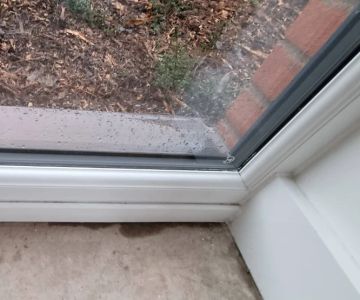
- Seal Vulnerable Areas: Seal cracks and gaps in the building’s exterior to prevent water from entering. Pay attention to areas around windows, doors, and pipes where water may seep in.
 ServiceMaster Cleaning by Roth4.0 (143 reviews)
 Mihalko's General Contracting4.0 (97 reviews)
 Nu-Look Restoration4.0 (8 reviews)
 Flood Doctor | Water Damage Restoration Services4.0 (141 reviews)
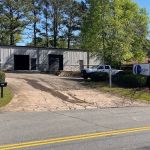 Meridian Restoration & Reconstruction4.0 (67 reviews)
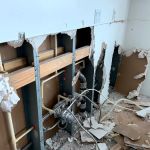 On the Spot Restoration LLC4.0 (37 reviews)
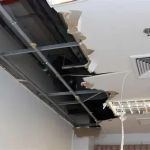 Water Damage Repair for Basement Ceilings: Causes, Solutions, and Prevention
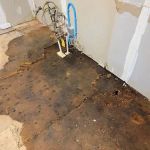 Water Damage Repair for Flooring Transitions: Expert Guide for Homeowners
 Water Damage Repair for Basement Walls: A Complete Guide
 Water Damage Restoration for Hotels and Resorts: Protecting Guest Experience and Property
 The Pros and Cons of DIY Water Damage Repair: Is It Worth It?
 How to Handle Water Damage From Broken Toilets | Reliable Damage Hub