
- understanding-water-damage - Understanding Water Damage in Rugs and Carpets
- step-1-assessing-damage - Step 1: Assessing the Damage
- step-2-removing-excess-water - Step 2: Removing Excess Water
- step-3-cleaning-and-sanitizing - Step 3: Cleaning and Sanitizing
- step-4-drying-techniques - Step 4: Effective Drying Techniques
- step-5-restoring-fibers-and-texture - Step 5: Restoring Fibers and Texture
- common-mistakes-to-avoid - Common Mistakes to Avoid
- real-life-case - Real-Life Case of Rug Restoration
- professional-help - When to Seek Professional Help
- why-reliable-damage-hub - Why Reliable Damage Hub is the Right Choice
Understanding Water Damage in Rugs and Carpets
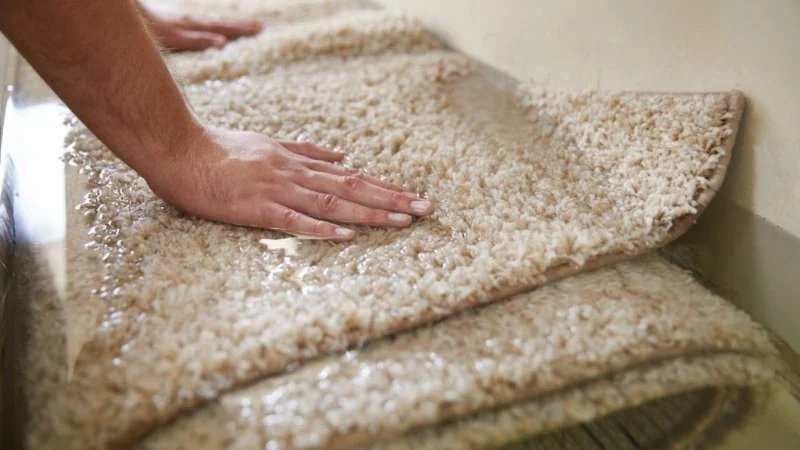
Water damage in rugs and carpets can happen suddenly—from a burst pipe, a leaking roof, or even a flood. The fibers soak up water quickly, creating the perfect environment for mold, bacteria, and unpleasant odors. Knowing how to restore water-damaged rugs and carpets is essential not only for maintaining your home’s appearance but also for protecting your family’s health.

Wizard Restorations Inc / puroclean of san fernando
Rancho CucamongaSan Bernardino CountyCalifornia
10245 8th St, Rancho Cucamonga, CA 91730, USA
Step 1: Assessing the Damage
The first step is evaluating how severe the water exposure is. Was it clean water from a supply line, or contaminated water from flooding? Clean water damage is easier to address, but blackwater contamination may require disposal for safety reasons. A thorough inspection ensures you take the right approach before attempting restoration.
SERVPRO of Pompano Beach / servpro of santa maria
Pompano BeachBroward CountyFlorida
2101 NW 33rd St #200a, Pompano Beach, FL 33069, USA
Step 2: Removing Excess Water
Acting quickly is crucial. Use wet vacuums, absorbent towels, or pumps to remove standing water. The faster you eliminate moisture, the better your chances of saving the rug or carpet. Homeowners who delay often face permanent staining, odor, and structural damage to their flooring.
Step 3: Cleaning and Sanitizing
Once water is removed, cleaning is critical. Shampooing with safe carpet cleaners helps remove dirt and bacteria trapped in the fibers. For heavily affected areas, disinfectants are necessary to stop mold growth. Always test a small section first to avoid discoloration or damage.
Step 4: Effective Drying Techniques
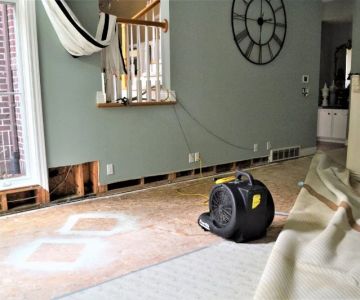
Air circulation is your best friend. Open windows, use fans, and set up dehumidifiers to accelerate the drying process. Hanging smaller rugs outdoors in the sun can also help, but carpets attached to flooring may need professional-grade equipment to dry thoroughly.
Step 5: Restoring Fibers and Texture
Even after drying, rugs may look flat or stiff. Brushing the fibers gently and steam cleaning can revive their texture. Some delicate or antique rugs might require expert care to fully restore their softness and vibrant appearance.
Common Mistakes to Avoid
Many homeowners make the mistake of waiting too long before taking action, leading to irreversible mold growth. Others try using excessive heat, which can shrink or damage fibers. Patience and proper technique are key to successful restoration.
Real-Life Case of Rug Restoration
During Hurricane Harvey in Texas, countless families dealt with water-damaged flooring. One homeowner shared that quick action—removing water within 24 hours and using industrial fans—saved their expensive Persian rug. This case highlights that time and correct steps make all the difference.
When to Seek Professional Help
Some situations are beyond DIY efforts. If the carpet has been soaked for more than 48 hours or exposed to contaminated water, it’s safer to contact professionals. They use advanced drying tools and antimicrobial treatments to ensure full restoration and prevent health risks.
Why Reliable Damage Hub is the Right Choice
Restoring water-damaged rugs and carpets can be overwhelming without expert guidance. That’s why Reliable Damage Hub offers trusted services and products tailored for these emergencies. Whether you need safe cleaning solutions, professional restoration, or expert advice, Reliable Damage Hub ensures your rugs and carpets are brought back to life effectively.
 Good Roads Water Damage Experts5.0 (1 reviews)
 R&R Foundation Specialist4.0 (305 reviews)
 MJ White4.0 (102 reviews)
 ATI Restoration3.0 (25 reviews)
 Modernistic4.0 (251 reviews)
 ServiceMaster Cleaning Services4.0 (27 reviews)
 Water Damage Restoration for Retail Spaces – Expert Tips and Real Cases
 How to Prevent and Repair Water Damage in Commercial Properties
 How to Protect Your Home’s Electrical System from Water Damage: Essential Tips
 Flooded Basement? Here’s How to Restore It Safely
 How to Handle Water Damage After a Storm: A Step-by-Step Guide
 How to Handle Water Damage from Burst Pipes: A Step-by-Step Guide