
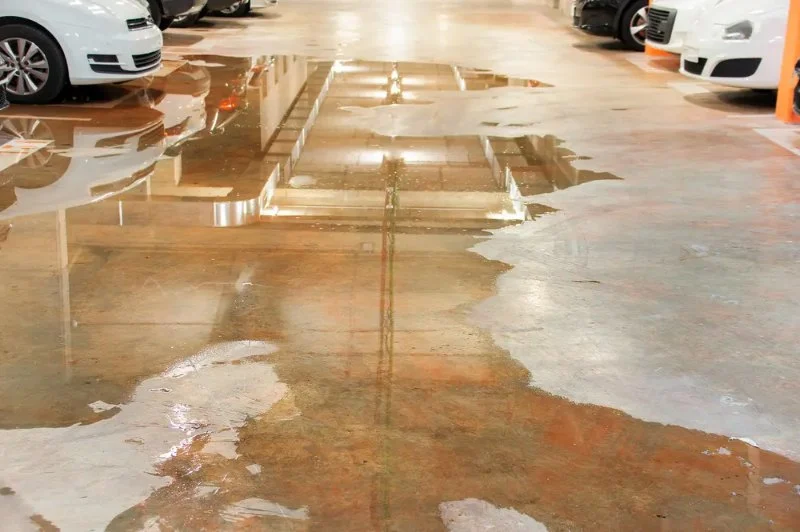
Water Damage Repair for Garage Floors
- Understanding Garage Floor Water Damage
- Signs Your Garage Floor Has Water Damage
- Common Causes of Garage Water Damage
- Steps for Effective Water Damage Repair
- Preventing Future Water Damage
- How Reliable Damage Hub Can Help
1. Understanding Garage Floor Water Damage
Water damage to garage floors is more common than most homeowners realize. Whether caused by heavy rainfall, melting snow, plumbing leaks, or poor drainage, moisture can seep into concrete and lead to long-term structural problems. Over time, standing water can erode the floor’s surface, cause cracking, and promote the growth of mold or mildew.
Garages, being semi-exposed environments, are particularly vulnerable to water intrusion. Recognizing the early signs of water damage and understanding how to manage it promptly can save thousands in potential repairs. Acting fast and using professional-grade restoration methods ensures safety, durability, and a clean, dry space for your vehicles and belongings.
SERVPRO of Pompano Beach / servpro fort lauderdale south
Pompano BeachBroward CountyFlorida
2101 NW 33rd St #200a, Pompano Beach, FL 33069, USA
2. Signs Your Garage Floor Has Water Damage
Not all water damage is visible at first glance. Some early warning signs include subtle discoloration, damp patches, or even a musty smell in your garage. Homeowners should watch for:
- Cracks or bubbling: Moisture can lift and weaken the concrete, leading to uneven surfaces.
- White residue (efflorescence): This powdery layer forms when water evaporates and leaves behind mineral deposits.
- Persistent dampness: If your garage floor never seems to dry completely, you likely have underlying moisture seepage.
- Mold or mildew growth: Particularly in corners or near walls where water collects.
Addressing these signs early helps prevent the need for full concrete replacement and ensures your garage remains structurally sound and safe.

Kustom US Restoration / kustom restoration
1215 W Houston Ave Suite A, Gilbert, AZ 85233, USA
3. Common Causes of Garage Water Damage
There are several potential sources of water damage in garages, ranging from environmental to structural issues. The most frequent culprits include:
- Poor drainage systems: Inefficient grading or blocked drains can cause rainwater to pool around or under the garage.
- Leaky roofs or walls: Water entering from above can flow down to the floor, especially after storms.
- Broken plumbing: A leaking pipe or water heater in the garage can go unnoticed until the damage becomes extensive.
- Foundation cracks: Even small cracks can allow groundwater to seep in, leading to long-term dampness.
Understanding what caused the damage is essential before beginning repairs. Otherwise, new water issues may undo the restoration work in no time.
4. Steps for Effective Water Damage Repair
Repairing a water-damaged garage floor involves more than just drying the surface. A comprehensive approach ensures lasting protection. Here’s how experts typically handle it:
- Step 1: Remove all standing water. Use pumps, mops, or wet vacuums to extract water as soon as possible. Quick action prevents deeper concrete absorption.
- Step 2: Deep cleaning and drying. After removing water, dehumidifiers and fans should run continuously for at least 48 hours to eliminate moisture.
- Step 3: Inspect and assess damage. Check for cracks, spalling, or discoloration. For large cracks, an epoxy or concrete patch may be required.
- Step 4: Apply a concrete sealant or epoxy coating. Once the floor is completely dry, sealing it provides a waterproof barrier against future leaks and stains.
Professionals may also recommend resurfacing your floor if the damage is extensive. This restores the floor’s strength and improves appearance while adding extra protection against future water exposure.
5. Preventing Future Water Damage
Once repairs are complete, prevention should be the next priority. Regular maintenance and proper water management can make a huge difference. Here are some preventive measures to consider:
- Ensure proper garage floor slope that directs water away from the structure.
- Install or maintain drainage systems around the garage perimeter.
- Seal expansion joints and cracks annually with high-quality concrete sealant.
- Apply a water-resistant coating or epoxy layer to prevent future seepage.
In colder climates, avoid using salt-based deicers in your garage, as they can penetrate concrete and lead to long-term damage. Instead, use calcium chloride or non-corrosive alternatives to protect both your floor and your vehicle.
6. How Reliable Damage Hub Can Help
If your garage floor has suffered from water damage, Reliable Damage Hub can help connect you with experienced professionals who specialize in water damage restoration and concrete repair. The platform allows you to find local experts who use industry-grade equipment and materials to restore your garage safely and efficiently.
Whether you’re dealing with minor water seepage or extensive flooding, Reliable Damage Hub offers resources and guidance to help you understand the cause, choose the best repair methods, and prevent future damage. With expert insight and reliable services, you can bring your garage back to a dry, functional, and long-lasting state.
 Fire Fixers4.0 (28 reviews)
 Santa Clarita Water Damage Company5.0 (21 reviews)
 All In One Emergency Mitigation Service5.0 (7 reviews)
 Morgan Restore4.0 (61 reviews)
 Water Damage Restoration5.0 (5 reviews)
 ServiceMaster by Claus4.0 (24 reviews)
 How to Handle Water Damage From Roof Flashing Failures
 Water Damage Restoration for Commercial Kitchens - Expert Guide
 Water Damage Restoration for Schools and Libraries
 How to Clean Your Home After Water Damage and Prevent Mold
 How to Clean Water-Damaged Carpeting and Area Rugs: Step-by-Step Guide
 How to Handle Water Damage Claims With Your Insurance