
- Understanding Sewer Backups
- Common Causes of Sewer Backups
- Immediate Steps to Take After a Sewer Backup
- How to Prevent Sewer Backups in the Future
- Dealing with Water Damage from Sewer Backups
- Cleaning and Restoring Your Home After a Sewer Backup
- When to Call a Professional for Sewer Backup Cleanup
1. Understanding Sewer Backups
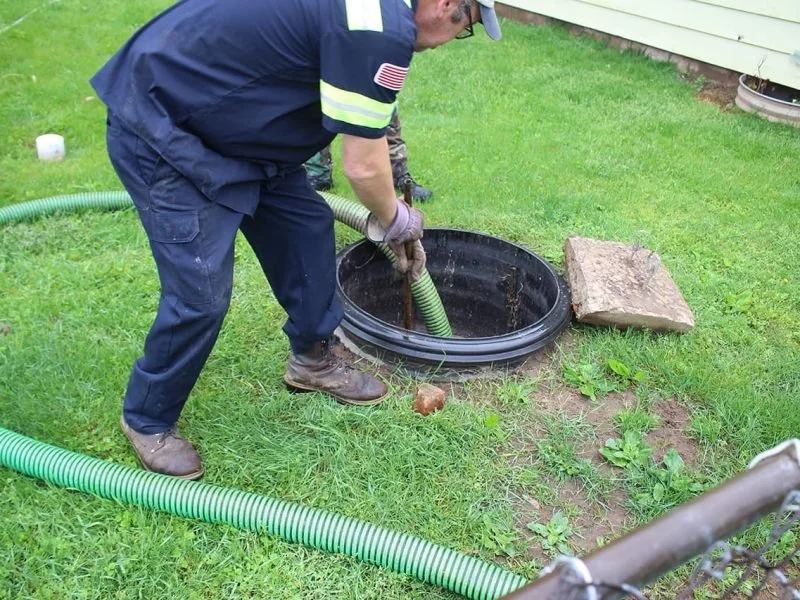
Sewer backups occur when wastewater from your home or the municipal sewer system can’t flow properly through the pipes. This causes water and sewage to back up into your home, leading to potential flooding and extensive water damage. It's a serious issue that requires immediate attention to minimize the damage and prevent health risks.
Sewer backups are not just an inconvenience—they can lead to expensive repairs, damage to your property, and serious health hazards due to contamination. The contents of a sewer backup may include bacteria, viruses, and other harmful substances that can cause severe health problems if not handled properly.
SERVPRO of Pompano Beach / servpro fort lauderdale south
Pompano BeachBroward CountyFlorida
2101 NW 33rd St #200a, Pompano Beach, FL 33069, USA
2. Common Causes of Sewer Backups
Sewer backups can occur for several reasons, and understanding the causes can help you identify issues before they lead to water damage. Here are some common causes:

Wizard Restorations Inc / puroclean of san fernando
Rancho CucamongaSan Bernardino CountyCalifornia
10245 8th St, Rancho Cucamonga, CA 91730, USA
Clogged Sewer Lines
One of the most common causes of sewer backups is a clogged sewer line. This can be caused by grease, tree roots, debris, and other materials blocking the pipes, preventing wastewater from flowing properly.
Heavy Rainfall or Flooding
During heavy rain or flooding, municipal sewer systems can become overwhelmed. When the system exceeds its capacity, water and sewage may back up into homes, causing significant damage.
Damaged or Aging Pipes
Old or deteriorating pipes are more prone to breaking, leaking, or collapsing, which can lead to sewer backups. This is especially true in homes with outdated plumbing systems or where pipes have been subjected to years of wear and tear.
3. Immediate Steps to Take After a Sewer Backup
When faced with a sewer backup, it’s essential to act quickly. Here are the immediate steps you should take:
Step 1: Stay Safe and Evacuate
The first priority is your safety. Sewer water is highly contaminated, so avoid any contact with the water. If the flooding is extensive, evacuate your home immediately and contact emergency services if necessary.
Step 2: Turn Off the Water Supply
Shut off your home’s water supply to prevent additional water from entering the system and worsening the backup. This can help contain the damage and give you time to address the issue.
Step 3: Contact a Professional
Sewer backups are not a DIY fix. It’s crucial to contact a professional plumber or a water damage restoration company to inspect the damage, identify the cause of the backup, and begin the cleanup process.
4. How to Prevent Sewer Backups in the Future
While some sewer backups are unavoidable, there are steps you can take to reduce the risk:
Regular Pipe Inspections
Regular inspections of your plumbing system can help detect signs of wear, damage, or blockages. Early detection allows for repairs before a major backup occurs.
Tree Root Maintenance
Tree roots are a common cause of sewer line clogs. If you have trees near your pipes, have the area inspected regularly to prevent roots from invading and damaging your plumbing.
Avoid Flushing Non-Flushable Items
Flushing items like wipes, paper towels, or feminine hygiene products can cause significant blockages in your sewer system. Be mindful of what you flush to avoid unnecessary clogs.
5. Dealing with Water Damage from Sewer Backups
Water damage from a sewer backup can be devastating, but proper handling can minimize long-term consequences. Here’s how to deal with the damage:
Assess the Extent of the Damage
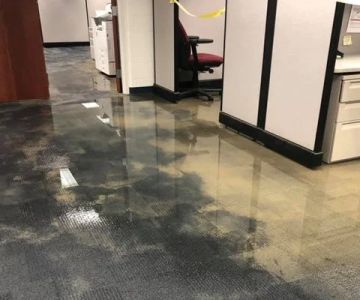
Once the backup has been cleared, assess the extent of the water damage. Look for any signs of water penetration in your walls, flooring, and furniture. The sooner you identify the affected areas, the better the chances of preventing further damage.
Remove Contaminated Materials
Any materials that have come into contact with sewage water should be disposed of immediately. This includes carpets, upholstery, drywall, and insulation. These items can harbor bacteria and mold, posing a significant health risk.
Dry the Area Thoroughly
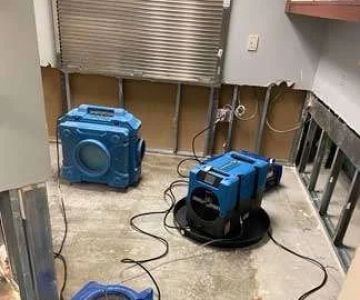
After removing contaminated materials, thoroughly dry the area to prevent mold and mildew growth. Use dehumidifiers and fans to ensure that all surfaces are completely dry. This is especially important in areas with high humidity or poor ventilation.
6. Cleaning and Restoring Your Home After a Sewer Backup
Cleaning up after a sewer backup requires careful attention to detail to ensure that your home is safe and sanitary:
Disinfect All Surfaces
After removing contaminated materials and drying the area, disinfect all affected surfaces. This includes floors, walls, and other non-porous materials. Use a disinfectant that is effective against bacteria, viruses, and mold spores.
Professional Restoration Services
In some cases, professional restoration services are necessary to fully restore your home. These services can help with cleaning, deodorizing, and sanitizing affected areas, ensuring that your home is safe to live in again.
7. When to Call a Professional for Sewer Backup Cleanup
While some minor cleanup tasks can be handled by homeowners, sewer backups often require professional expertise. Here are some situations when you should definitely call in a professional:
Extensive Water Damage
If the water damage is widespread and involves multiple rooms or areas of your home, a professional cleanup crew is necessary to handle the situation safely and efficiently.
Health Concerns
If you have concerns about the health risks associated with the contaminated water, it’s best to call a professional. They have the right equipment to handle hazardous materials and prevent further contamination.
Insurance Claims
In cases where you need to file an insurance claim, it’s often required to have a professional assess the damage. They can document the extent of the damage and provide necessary reports for your insurance provider.
For more information on how to handle sewer backup damage, visit Reliable Damage Hub for expert advice and access to products that can help with cleanup and prevention.



 East Northport Water Damage Restoration, Removal & Repairs0.0 (0 reviews)
 ServiceMaster5.0 (8 reviews)
 The Village Painter0.0 (0 reviews)
 LightHouse Restoration and Remodeling5.0 (1 reviews)
 Eco Shield Restorations4.0 (12 reviews)
 FIRST ONSITE Property Restoration4.0 (156 reviews)
 How to Minimize Water Damage in Your Home During Winter
 Water Damage Repair for Soggy Carpets: Tips and Tricks
 How to Dry Out Water-Damaged Furniture Quickly and Effectively
 Water Damage Restoration Techniques: Drying, Sanitizing, and More
 Water Damage Restoration for Commercial Kitchens
 Water Damage Restoration for Schools and Universities: Key Steps and Solutions