
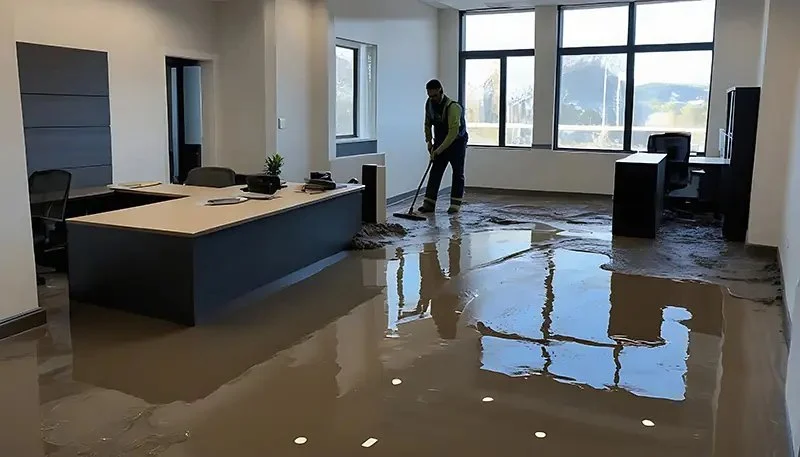
Water Damage Restoration for Office Buildings
- 1- Why Water Damage Restoration Is Important for Office Buildings
- 2- Steps for Water Damage Restoration in Office Buildings
- 3- Common Sources of Water Damage in Offices
- 4- How to Prevent Water Damage in Office Buildings
1- Why Water Damage Restoration Is Important for Office Buildings
Water damage in office buildings is not just an inconvenience—it can lead to significant structural damage, costly repairs, and even health hazards due to mold growth. The restoration process is critical for ensuring the safety of the building and its occupants. If left untreated, water damage can weaken the structural integrity of the building, ruin expensive office equipment, and cause long-term issues like poor indoor air quality. Whether from leaking pipes, broken roofs, or natural disasters, swift and effective water damage restoration is essential to minimize damage and protect your investment in the building.
Giants / dry kings restoration of san francisco
San FranciscoSan Francisco CountyCalifornia
685 Geary Blvd, San Francisco, CA 94102, USA
2- Steps for Water Damage Restoration in Office Buildings
Water damage restoration involves several essential steps to restore the property to its pre-damage condition. Here’s a breakdown of the process:
- Step 1: Emergency Contact and Inspection – The first step is to contact a professional restoration service as soon as water damage is detected. An inspection is conducted to assess the extent of the damage and to develop a plan for restoration.
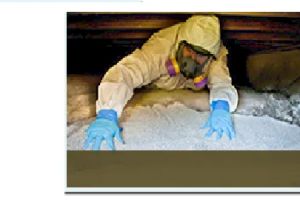
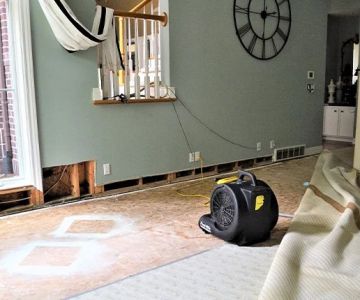
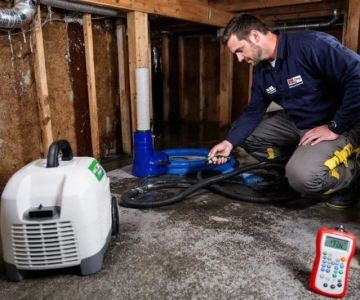
- Step 2: Water Removal and Drying – The next step is the removal of excess water using pumps, vacuums, and other industrial equipment. Drying equipment such as dehumidifiers and air movers are then used to prevent further water absorption and moisture buildup in the building.
- Step 3: Cleaning and Sanitizing – After the water is removed, the affected areas are cleaned and sanitized. This helps prevent mold growth and eliminates harmful bacteria that may have been introduced during the flooding or water infiltration.
- Step 4: Restoration and Repairs – Once the building is completely dry, restoration begins. This includes repairing or replacing damaged drywall, flooring, insulation, and any other structures impacted by the water damage.
3- Common Sources of Water Damage in Offices
Understanding the common sources of water damage in office buildings can help in identifying potential risks and taking preventive measures:
- Leaking Pipes: A common cause of water damage, especially in older office buildings, leaking pipes can result in gradual but severe water damage to walls, ceilings, and floors.
- Roof Leaks: A damaged or aging roof is a frequent source of water intrusion, leading to leaks during heavy rainfall or snowstorms.
- HVAC System Issues: Improperly maintained or faulty HVAC systems can leak water, leading to water damage in areas near air conditioning units or ducts.
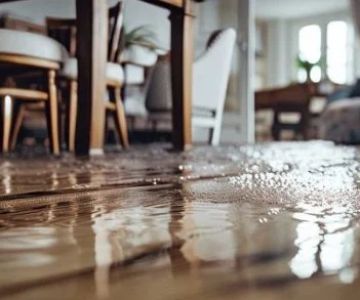
- Flooding: Office buildings located in flood-prone areas can suffer from water damage during storms or heavy rainfall. Without proper drainage systems, water can quickly enter and flood the lower floors.
4- How to Prevent Water Damage in Office Buildings
Taking proactive steps to prevent water damage in office buildings is crucial for avoiding costly repairs and minimizing downtime. Here are some key strategies:
- Regular Inspections: Conduct regular inspections of the plumbing, HVAC systems, and roof to detect any signs of wear and tear before they become major issues.
- Maintain the Roof: Regular roof inspections and maintenance, including clearing debris and repairing any leaks, can prevent water from entering the building.
- Invest in Flood Prevention: If your office building is in a flood-prone area, consider installing flood barriers or improving drainage systems to redirect water away from the building.
- Install Water Detection Systems: Consider installing water sensors or alarms in vulnerable areas, such as basements, server rooms, or under sinks, to alert you to potential water damage before it becomes severe.
Water damage restoration is essential for maintaining a safe and functional office environment. By taking the right steps, you can prevent water damage from disrupting your business and causing long-term issues. If you're dealing with water damage in your office building, reach out to a professional restoration service as soon as possible to minimize damage and get your building back to its original condition.
For more information about water damage restoration services and to find the best products for your needs, visit Reliable Damage Hub for expert advice and recommendations.
 Sweet Home Drywall Solutions5.0 (25 reviews)
 PoBoy911 Roofing & Restoration4.0 (59 reviews)
 BELFOR Property Restoration3.0 (22 reviews)
 911 Restoration of Naples4.0 (23 reviews)
 Insurance Restoration Network, Inc.4.0 (13 reviews)
 Blue Lake Cleaning5.0 (292 reviews)
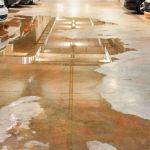 Water Damage Repair for Garage Floors
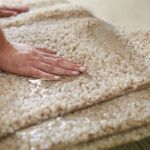 How to Restore Water-Damaged Rugs and Carpets
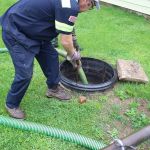 How to Handle Water Damage From Sewer Backups
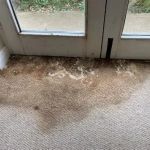 Effective Water Damage Repair for Carpets and Rugs - Expert Tips
 Water Damage Restoration: How Long Does the Process Take?
 Water Damage Repair for Soggy Carpets: Causes, Risks, and Solutions