
Water Damage Repair for Carpets and Rugs: A Comprehensive Guide
- 1 - Understanding Water Damage to Carpets and Rugs
- 2 - How to Assess Water Damage on Carpets
- 3 - Step-by-Step Guide to Repairing Water-Damaged Carpets
- 4 - Preventing Future Water Damage to Your Carpets and Rugs
- 5 - When to Call a Professional for Water Damage Repair
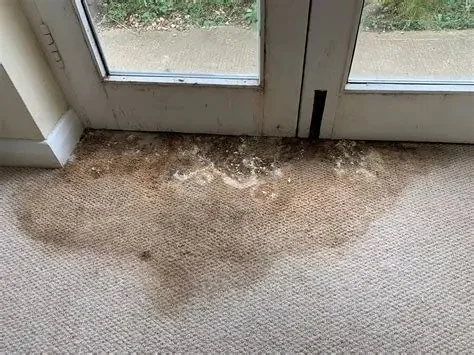
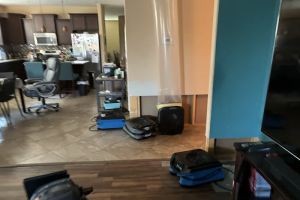
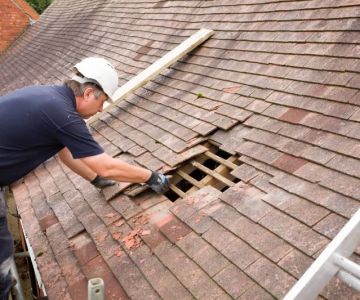
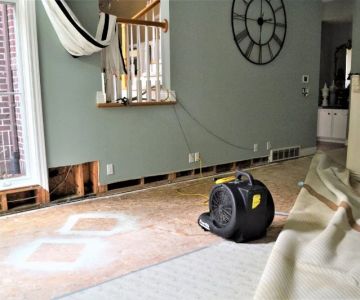
Water damage can have a significant impact on your carpets and rugs. Whether from a flood, a leaking roof, or an overflowing sink, moisture can cause lasting harm to your home’s flooring. It's important to understand how water damage affects your carpets and rugs and the necessary steps to restore them. This guide will walk you through assessing and repairing water-damaged carpets, as well as how to prevent future issues. 1215 W Houston Ave Suite A, Gilbert, AZ 85233, USA Before starting any repair work, it's crucial to evaluate the extent of the damage. Here's how to assess the water damage on your carpets: 932 S Stapley Dr, Mesa, AZ 85204, USA Look for areas that are soaked or have water pooling. Also, check for discoloration, as this may indicate mold or mildew growth. A musty smell is another sign that moisture has seeped into your carpet. The padding beneath your carpet can absorb a lot of water. If it's saturated, it may need to be replaced. Wet padding can lead to mold growth, so it's important to check its condition carefully. Use your hand to feel for moisture along the edges of the carpet. If the carpet feels wet or damp, immediate action is needed to prevent further damage. If you've assessed your carpet and determined that it can be repaired, follow these steps to restore it: Start by removing as much water as possible. Use a wet/dry vacuum or towels to absorb the water. The sooner you can remove excess water, the better your chances are of preventing lasting damage. Once you've removed the water, it's time to dry the carpet. Use fans, dehumidifiers, or open windows to speed up the drying process. If the padding is soaked, you may need to remove the carpet and replace the padding. Once the carpet is dry, clean it thoroughly to remove any dirt or debris left by the water. If mold or mildew is present, use a cleaner specifically designed to tackle mold issues. If you've removed the carpet to dry it or replace the padding, now is the time to reinstall it. Stretch it out to ensure it's smooth and properly aligned. After everything is dry and cleaned, walk on the carpet to check its comfort and feel. Ensure there are no signs of water stains or lingering smells. If everything checks out, your carpet is successfully repaired! To avoid future water damage, consider these prevention tips: If your home is prone to flooding or water leaks, installing waterproof barriers around your carpets can provide extra protection. Consider using plastic sheeting or a vapor barrier underneath the carpet. Regularly check plumbing, roofs, and windows for leaks that could lead to water damage. Taking preventive measures before issues arise can save you time and money in the long run. Consider placing area rugs over your carpets in high-risk areas, such as near doors or windows, to prevent direct contact with water. While many carpet repairs can be done on your own, there are times when it's best to call a professional. Here are some scenarios where professional help is necessary: If your carpet has been heavily soaked or the damage covers a large area, it may be beyond what you can handle alone. Professional restoration services can assess the situation and provide the best course of action. If you notice mold or mildew on your carpet, it's important to act quickly. Professionals have the tools and expertise to remove mold safely and prevent it from spreading further. If you're unable to effectively dry the carpet or padding, a professional service can help. They have industrial-grade equipment that can dry your carpets thoroughly and efficiently. If you're in need of expert assistance, consider visiting Reliable Damage Hub to find the right products, services, and advice to ensure your carpets are properly restored and maintained.1 - Understanding Water Damage to Carpets and Rugs

Kustom US Restoration / kustom restoration
2 - How to Assess Water Damage on Carpets
Drip Restoration / valleywide restoration mesa az
Step 1: Check for Visible Signs
Step 2: Inspect the Padding
Step 3: Feel for Moisture
3 - Step-by-Step Guide to Repairing Water-Damaged Carpets
Step 1: Remove Excess Water
Step 2: Dry the Carpet and Padding
Step 3: Clean the Carpet
Step 4: Reinstall the Carpet
Step 5: Test the Carpet
4 - Preventing Future Water Damage to Your Carpets and Rugs
1. Install Waterproof Barriers
2. Regularly Check for Leaks
3. Use Area Rugs
5 - When to Call a Professional for Water Damage Repair
1. Extensive Damage
2. Mold or Mildew Growth
3. Difficulty with Drying
 Good Roads Water Damage Experts5.0 (1 reviews)
 R&R Foundation Specialist4.0 (305 reviews)
 MJ White4.0 (102 reviews)
 ATI Restoration3.0 (25 reviews)
 Modernistic4.0 (251 reviews)
 ServiceMaster Cleaning Services4.0 (27 reviews)
 Water Damage Restoration for Retail Spaces – Expert Tips and Real Cases
 How to Prevent and Repair Water Damage in Commercial Properties
 How to Protect Your Home’s Electrical System from Water Damage: Essential Tips
 Flooded Basement? Here’s How to Restore It Safely
 How to Handle Water Damage After a Storm: A Step-by-Step Guide
 How to Handle Water Damage from Burst Pipes: A Step-by-Step Guide