
- 1. Understanding Water Damage in Large Homes
- 2. Steps to Assess Water Damage in Large Homes
- 3. Effective Restoration Techniques for Large Homes
- 4. Prevention and Long-Term Care for Water Damage
1. Understanding Water Damage in Large Homes
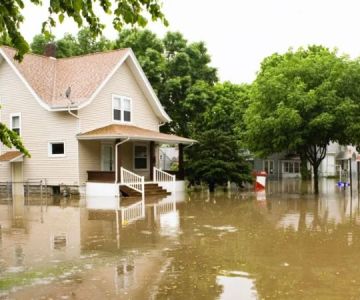
Water damage in large homes can occur for a variety of reasons: burst pipes, roof leaks, flooding, or even slow, unnoticed leaks over time. Larger homes are particularly susceptible to water damage because they often have more complex plumbing systems, larger roof areas, and more vulnerable sections such as basements and attics. Understanding how water can affect your home is the first step toward effective restoration.
Water damage can be categorized into three levels, depending on the type of water involved and the extent of the damage:
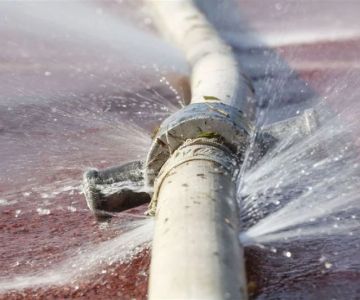
- Category 1: Clean water from a burst pipe or a malfunctioning appliance.
- Category 2: Greywater, which may contain contaminants from washing machines or dishwashers.
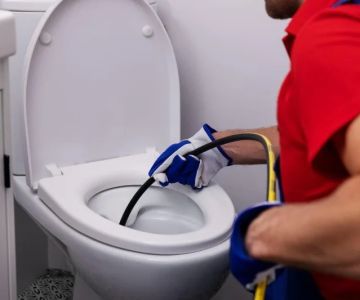
- Category 3: Black water, which includes sewage or water from flooded rivers and can be hazardous to health.
For large homes, Category 3 water damage often requires extensive professional restoration to ensure safety and thorough cleanup. Large homes may also have complex water pathways that allow the damage to spread over time, making early detection crucial.
Kustom US Restoration / kustom restoration
1215 W Houston Ave Suite A, Gilbert, AZ 85233, USA
2. Steps to Assess Water Damage in Large Homes
When dealing with water damage in a large home, it’s important to act quickly to prevent further damage and begin the restoration process. Here’s a step-by-step guide to assessing water damage:

Wizard Restorations Inc / puroclean of san fernando
Rancho CucamongaSan Bernardino CountyCalifornia
10245 8th St, Rancho Cucamonga, CA 91730, USA
1. Inspect the Affected Areas
Begin by identifying the areas affected by water. In a large home, this can be challenging as water often spreads to multiple levels. Start by checking the attic, roof, basement, and foundation, as these areas are typically the most vulnerable to water infiltration. Look for signs of moisture on the walls, ceilings, floors, and furniture.
2. Identify the Water Source
Understanding the source of the water is critical for determining the level of damage and the type of restoration needed. Check for visible leaks in plumbing, appliance connections, and roof leaks. If the damage was caused by flooding, assess how much water entered and whether the source was from outside the home or from a burst pipe inside.
3. Evaluate the Extent of the Damage
Once the affected areas are identified, assess how far the water has spread. In large homes, water can travel along pipes or walls, making it necessary to check areas that may not be immediately visible. Water damage in a large home often requires removing sections of drywall or flooring to inspect the extent of hidden damage.
4. Determine the Category of Water
As mentioned earlier, water damage can fall into three categories. Identifying the type of water involved will help determine the appropriate cleanup methods. Category 1 water damage may be less invasive to clean, while Category 3 black water requires immediate professional attention due to health risks.
3. Effective Restoration Techniques for Large Homes
Once you’ve assessed the damage, it's time to begin the restoration process. In large homes, this may require multiple teams of professionals, advanced equipment, and specialized restoration techniques. Here are the most effective methods for restoring water damage in large homes:
1. Water Extraction and Drying
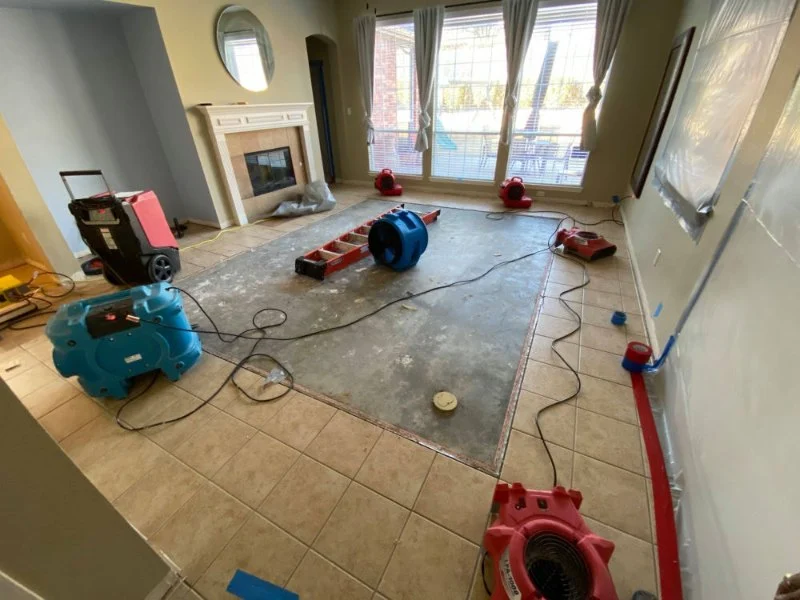
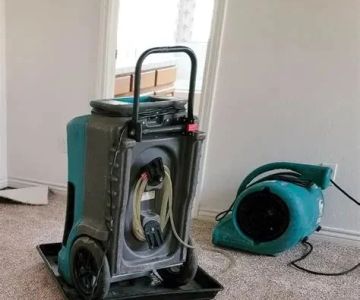
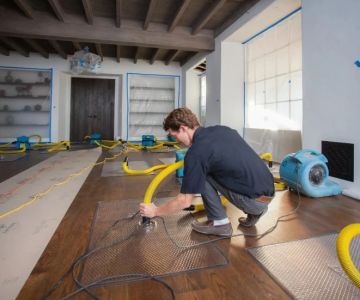
Water extraction is the first step in the restoration process. Using high-powered water extractors, professionals will remove standing water from carpets, floors, and furniture. This process is crucial for preventing mold growth, which can begin in as little as 24 hours. After extraction, dehumidifiers and air movers are used to thoroughly dry the affected areas, including walls, floors, and ceilings. In a large home, multiple machines may be required to ensure proper airflow and humidity control.
2. Structural Repairs and Mold Remediation
Once the water is removed, the next step is to repair any structural damage. This includes replacing drywall, insulation, flooring, and damaged wood. For large homes, this process can be extensive, especially if the damage has affected multiple rooms or floors. Additionally, mold remediation is essential to prevent future health risks. Specialized cleaning and disinfecting agents are used to remove any mold or mildew that has begun to grow in damp areas.
3. Restoration and Refinishing
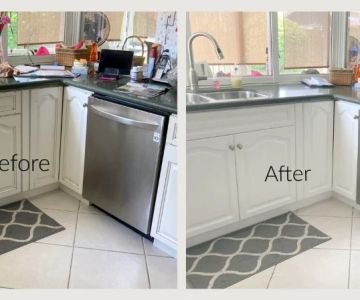
After the structural repairs are completed, refinishing work such as painting, flooring replacement, and furniture restoration may be necessary. In large homes, restoring the aesthetic appeal of the home is just as important as addressing the structural issues. This is the final step in the water damage restoration process and requires skilled craftsmen to ensure the home looks as it did before the damage occurred.
4. Prevention and Long-Term Care for Water Damage
After restoration, it’s essential to implement measures to prevent future water damage. Large homes have many areas that can be prone to leaks, so taking steps to safeguard your property will save you from future problems:
1. Regular Roof Inspections
Ensure your roof is in good condition by scheduling regular inspections, especially after heavy storms or during seasonal changes. A small roof leak can quickly escalate into significant water damage if left unchecked.
2. Install Sump Pumps and Proper Drainage
If your home has a basement or lower levels prone to flooding, installing sump pumps and improving drainage systems will help redirect water away from the foundation. This can significantly reduce the risk of flooding in your home during heavy rain.
3. Maintain Plumbing Systems
Regularly inspect your plumbing for signs of leaks or wear. Older homes, in particular, should have plumbing lines checked for corrosion or cracks that could lead to water damage. Consider upgrading your plumbing system if it's outdated to prevent future issues.
For expert advice and to find reliable restoration services for large homes, visit Reliable Damage Hub for the best resources and solutions to protect your home from water damage.
 Restoration brothers -Water & Fire damaged services5.0 (2 reviews)
 Premier Pro4.0 (23 reviews)
 JG Restoration4.0 (149 reviews)
 ServiceMaster by Disaster Associates, Inc.0.0 (0 reviews)
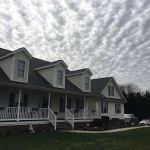 Right Choice Restoration, LLC5.0 (94 reviews)
 Skinkle Construction Group Inc5.0 (23 reviews)
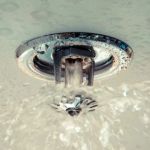 Water Damage Restoration After Fire Sprinkler Accidents
 Why It’s Important to Address Water Damage Immediately: Protect Your Home
 Water Damage Inspection Checklist for Homeowners – Prevent and Repair Water Damage Effectively
 How to Prevent Water Damage in Your Home: Common Causes and Solutions
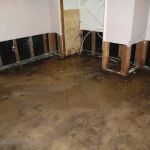 How to Handle Water Damage from Basement Condensation
 Top 5 Water Damage Restoration Myths Debunked