
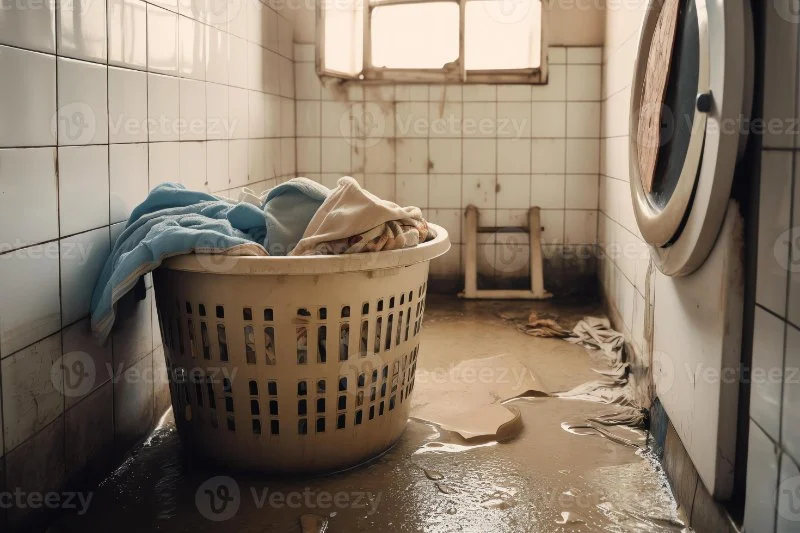
How to Handle Water Damage From Laundry Rooms
Water damage from laundry rooms is a common but often overlooked issue. Whether it's due to a leaking washing machine, clogged drain, or burst pipe, water damage can lead to significant issues like mold growth, structural damage, and expensive repairs. In this guide, we’ll walk you through the steps to handle water damage from laundry rooms, from prevention to repair, helping you protect your home and your wallet.
- 1. Identifying the Source of Water Damage
- 2. Preventing Future Water Damage in Laundry Rooms
- 3. The Repair Process for Water Damage
- 4. Preventing Mold Growth After Water Damage
- 5. How Reliable Damage Hub Can Help You
1. Identifying the Source of Water Damage
The first step in dealing with water damage from your laundry room is identifying the source. There are several possible causes of water damage in this area:
Giants / dry kings restoration of san francisco
San FranciscoSan Francisco CountyCalifornia
685 Geary Blvd, San Francisco, CA 94102, USA
1.1 Leaking Washing Machines
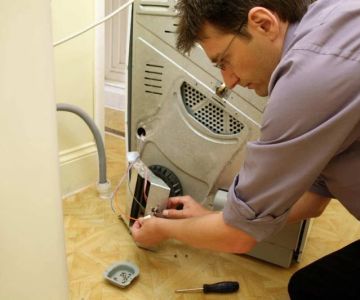
Washing machines are one of the most common culprits of water damage in laundry rooms. Leaks can occur due to faulty hoses, worn-out seals, or improper installation. If you notice a puddle near your washing machine or a wet floor, it’s crucial to turn off the water supply and check the hoses for leaks or damage.
Drip Restoration / valleywide restoration mesa az
932 S Stapley Dr, Mesa, AZ 85204, USA
1.2 Clogged or Overflowing Drains
Clogged drains can cause water to back up into your laundry room, leading to flooding and water damage. Washing machines discharge a significant amount of water during each cycle, and if the drainpipe is blocked, water can spill over onto the floor.
1.3 Burst Pipes
While less common, burst pipes in or near the laundry room can lead to significant water damage. If you suspect a burst pipe, it’s essential to turn off the water supply immediately and call a plumber to inspect and repair the pipe.
2. Preventing Future Water Damage in Laundry Rooms
Preventing water damage is far easier and cheaper than dealing with the aftermath. Here are some key preventive measures you can take to reduce the risk of water damage in your laundry room:
2.1 Regularly Check for Leaks
Inspect your washing machine hoses, faucets, and seals for signs of wear and tear. Replace old or cracked hoses immediately to prevent leaks. Also, check the washing machine’s water intake valve for any signs of leaks or corrosion.
2.2 Maintain Proper Drainage
Ensure that your laundry room drain is clear of any debris. Clogged drains can lead to slow drainage and potential water backup. Periodically check the pipes for any blockages and clean them to prevent issues from developing.
2.3 Install a Flood Alarm
A flood alarm can help alert you to any water issues before they become major problems. These alarms detect the presence of water on the floor and can provide an early warning, allowing you to address the situation promptly.
3. The Repair Process for Water Damage
If you’ve experienced water damage in your laundry room, it’s important to follow a structured repair process to prevent further issues. Here’s what you need to do:
3.1 Assess the Extent of the Damage
Before starting any repairs, assess the extent of the water damage. Check for water pooling on the floor, stains on walls or ceilings, and any visible damage to your flooring. If the damage is extensive, it’s recommended to call a professional to assess the situation.
3.2 Dry Out the Area
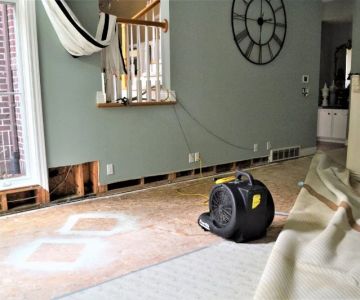
Start by removing any wet clothing or items from the laundry room. Use fans, dehumidifiers, or open windows to help dry out the area. The quicker you dry the space, the less likely mold will develop.
3.3 Repair Damaged Flooring and Walls
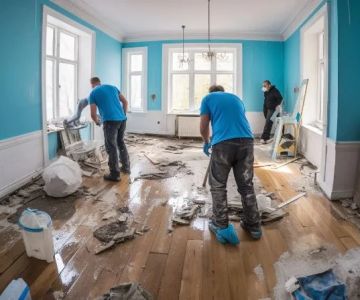
If your flooring has absorbed water, it may need to be replaced, especially if you have carpet or wood floors. Tile or vinyl floors are more resistant to water but may still need professional drying and sealing. If your walls have absorbed water, they may need to be patched or replaced.
4. Preventing Mold Growth After Water Damage
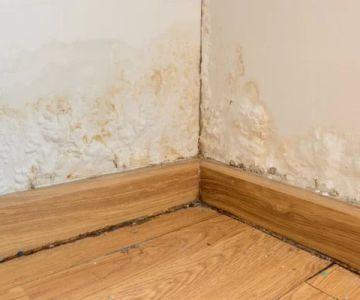
After dealing with water damage, one of the biggest concerns is the growth of mold. Mold can start growing within 24-48 hours of water exposure, so it’s essential to act quickly:
4.1 Use a Dehumidifier
Dehumidifiers are essential in preventing mold growth. They help to remove excess moisture from the air and dry out affected areas, reducing the likelihood of mold forming.
4.2 Clean and Disinfect
Once the area is dry, clean and disinfect any surfaces that came into contact with water. This will help eliminate any bacteria or mold spores that may have settled in the area.
4.3 Consider Professional Mold Remediation
If you notice signs of mold growth, it’s crucial to take immediate action. Mold remediation specialists can identify hidden mold and remove it safely, preventing further damage and health risks.
5. How Reliable Damage Hub Can Help You
At Reliable Damage Hub, we provide expert services and advice to help you handle water damage from laundry rooms. Whether you need water damage restoration, mold remediation, or preventive solutions, our team is here to assist you every step of the way. Contact us today for more information or to schedule a consultation.
 Good Roads Water Damage Experts5.0 (1 reviews)
 R&R Foundation Specialist4.0 (305 reviews)
 MJ White4.0 (102 reviews)
 ATI Restoration3.0 (25 reviews)
 Modernistic4.0 (251 reviews)
 ServiceMaster Cleaning Services4.0 (27 reviews)
 Water Damage Restoration for Retail Spaces – Expert Tips and Real Cases
 How to Prevent and Repair Water Damage in Commercial Properties
 How to Protect Your Home’s Electrical System from Water Damage: Essential Tips
 Flooded Basement? Here’s How to Restore It Safely
 How to Handle Water Damage After a Storm: A Step-by-Step Guide
 How to Handle Water Damage from Burst Pipes: A Step-by-Step Guide