
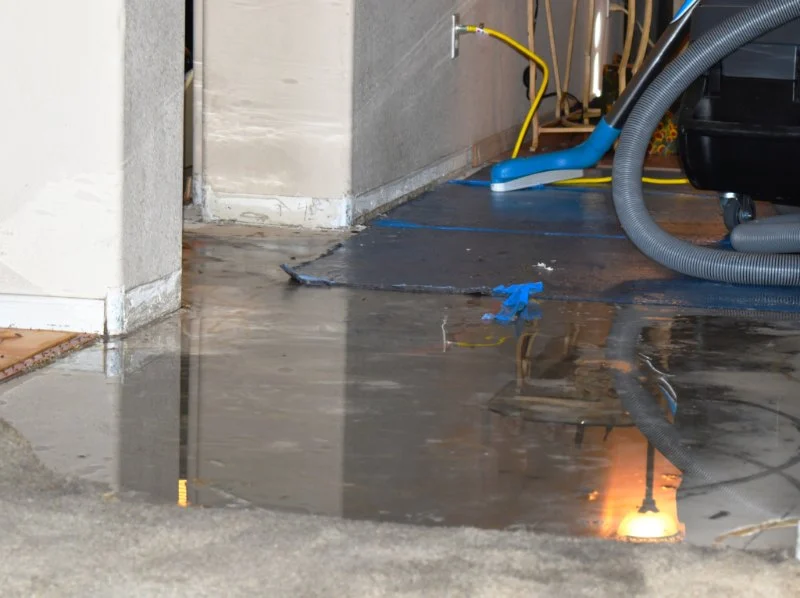
Top 5 Water Damage Restoration Myths Debunked
- 1-Myth #1: Water Damage Can Be Easily Cleaned Up on Your Own
- 2-Myth #2: If There’s No Visible Mold, There’s No Need to Worry
- 3-Myth #3: You Can Wait to Call a Professional Until the Water Stops Rising
- 4-Myth #4: Homeowner's Insurance Covers All Water Damage
- 5-Myth #5: Water Damage Only Occurs After a Flood
1. Myth #1: Water Damage Can Be Easily Cleaned Up on Your Own
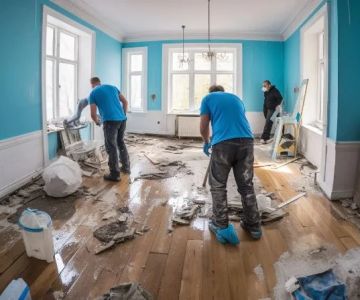
One of the most common misconceptions about water damage is that it’s easy to clean up without professional help. Many homeowners may think they can handle small leaks or flooding by themselves. However, water damage restoration involves more than just mopping up the water. Left unchecked, moisture can seep into walls, floors, and ceilings, leading to long-term damage such as structural weakening, mold growth, and mildew.
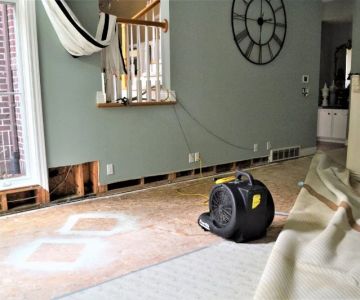
Professional water damage restoration specialists have the equipment, experience, and expertise to thoroughly dry the area and prevent further damage. This includes using industrial-grade dehumidifiers, moisture meters, and air movers to ensure all hidden water is removed. Attempting to handle it on your own could lead to incomplete drying and more costly repairs down the line.
2. Myth #2: If There’s No Visible Mold, There’s No Need to Worry
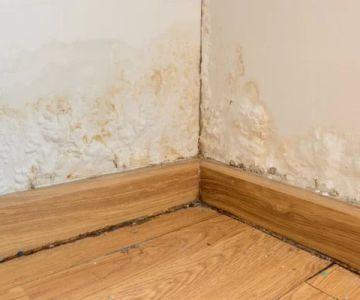
Another prevalent myth is that the absence of visible mold means the water damage is not a significant concern. While it’s true that mold may not appear immediately after water exposure, it can begin to grow within 24-48 hours in the right conditions, especially in hidden areas like behind walls or under floors.
Water damage restoration professionals know that mold can thrive in damp environments, even if it’s not yet visible to the naked eye. They will take proactive measures to prevent mold growth, such as using specialized antimicrobial treatments and ensuring all affected areas are thoroughly dried. Ignoring hidden moisture could result in a more severe mold problem that can be expensive to remediate.
3. Myth #3: You Can Wait to Call a Professional Until the Water Stops Rising
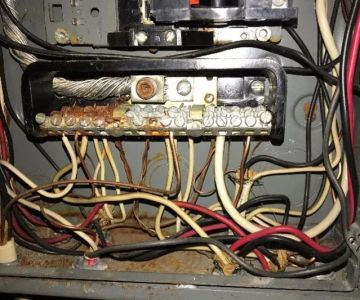
Many homeowners believe they should wait until the water has completely receded before calling in a water damage restoration expert. Unfortunately, this delay can result in more extensive damage to the home. The longer water sits, the more it can penetrate and affect building materials, electrical systems, and belongings.
Water damage restoration experts recommend acting quickly to mitigate the effects of water damage. Even if the water seems to have stopped rising, moisture can still cause significant damage, particularly to porous materials like wood and drywall. By calling a professional immediately, you can reduce the risk of long-term damage and mold growth, saving both time and money.
4. Myth #4: Homeowner's Insurance Covers All Water Damage
While homeowner’s insurance may cover some types of water damage, not all situations are included under standard policies. For example, water damage caused by gradual leaks or lack of maintenance may not be covered, as it’s often considered preventable. Additionally, certain types of water damage, like flooding, typically require a separate flood insurance policy.
It’s crucial for homeowners to review their insurance policy and understand what’s covered. A water damage restoration professional can work with your insurance provider to help assess the extent of the damage and ensure you get the compensation you’re entitled to. However, it’s important to note that acting quickly can prevent the damage from worsening, which may impact your insurance claim.
5. Myth #5: Water Damage Only Occurs After a Flood
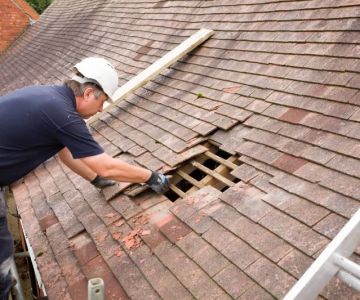
Many people associate water damage solely with natural disasters like floods, but the truth is, water damage can occur for a variety of reasons. Common causes of water damage include burst pipes, leaking roofs, faulty appliances, and even condensation. In fact, some of the most severe water damage incidents occur due to plumbing failures that go unnoticed until significant damage has been done.
Water damage restoration experts often deal with situations where water damage has been caused by something as simple as an unnoticed leaky faucet or clogged drain. These slow leaks can result in significant damage over time if not addressed promptly. Recognizing the signs of water damage early on—such as discoloration on walls, musty smells, or dampness in floors—can help prevent more severe issues down the line.
Real-Life Case Study: Water Damage Restoration in Action
A recent case involved a homeowner named Jane from Miami who discovered water damage in her basement after a storm. At first, she thought the water was only due to the rain, and she didn’t act fast enough. By the time she called in the professionals, the moisture had seeped into her drywall, and she began noticing a musty smell—an early sign of mold growth.
Fortunately, the water damage restoration team at Reliable Damage Hub was able to respond quickly, thoroughly drying the area and preventing the mold from spreading. However, Jane’s delay in acting cost her more than she expected in repairs. This case highlights the importance of debunking myths like “you can wait to call professionals” and acting quickly when water damage is suspected.
Conclusion
Understanding the truths behind water damage restoration is crucial for homeowners looking to protect their property. By debunking these common myths, you can make informed decisions and act quickly when faced with water damage. Remember, the sooner you call a professional, the less damage you’ll face in the long run.
If you find yourself dealing with water damage, don’t hesitate to reach out to experts at Reliable Damage Hub. With the right tools and experience, they can help restore your home and prevent future issues. Trust the professionals to handle the job efficiently and effectively.
 Good Roads Water Damage Experts5.0 (1 reviews)
 R&R Foundation Specialist4.0 (305 reviews)
 MJ White4.0 (102 reviews)
 ATI Restoration3.0 (25 reviews)
 Modernistic4.0 (251 reviews)
 ServiceMaster Cleaning Services4.0 (27 reviews)
 Water Damage Restoration for Retail Spaces – Expert Tips and Real Cases
 How to Prevent and Repair Water Damage in Commercial Properties
 How to Protect Your Home’s Electrical System from Water Damage: Essential Tips
 Flooded Basement? Here’s How to Restore It Safely
 How to Handle Water Damage After a Storm: A Step-by-Step Guide
 How to Handle Water Damage from Burst Pipes: A Step-by-Step Guide