
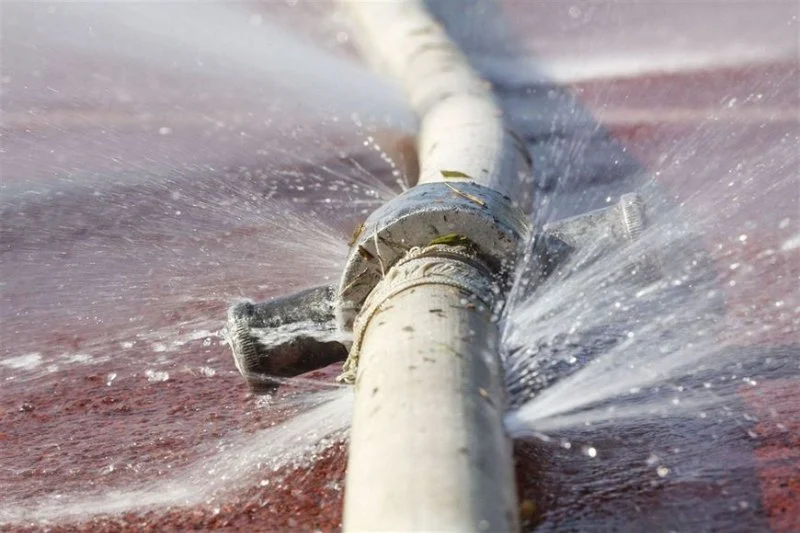
Water damage from burst pipes is one of the most common and serious household emergencies. A sudden pipe burst can lead to extensive water damage, causing harm to your walls, floors, and personal belongings. Fortunately, there are specific steps you can take to mitigate the damage, repair the issue, and prevent further water damage in the future. In this article, we will discuss how to handle water damage from burst pipes, from identification to repair, and offer some tips on prevention.
- 1. Identifying Signs of Water Damage from Burst Pipes
- 2. Steps to Take Immediately After a Pipe Bursts
- 3. Repairing Water Damage from Burst Pipes
- 4. Preventing Burst Pipes in the Future
- 5. When to Call a Professional Plumber
1. Identifying Signs of Water Damage from Burst Pipes
Water damage from burst pipes is often immediate and obvious, but there can be hidden signs as well. Here’s how to identify damage:
- Visible Water Leaks: Water dripping from the ceiling, walls, or floor is the most immediate sign of a burst pipe. Pay attention to areas where water accumulates, especially in basements or under sinks.
- Wet Spots on Walls or Ceilings: A burst pipe can cause water to seep through walls and ceilings. Look for damp spots, discoloration, or bubbling paint on your walls and ceilings, which may indicate water damage.
- Unusual Sounds: Gurgling or hissing noises coming from the plumbing system may signal that a pipe has burst, allowing water to escape into the walls or flooring.
- Musty Odors: Prolonged water exposure can lead to mold and mildew growth. A musty smell can indicate hidden water damage, even if there are no obvious signs of leaks.
2. Steps to Take Immediately After a Pipe Bursts
When you discover that a pipe has burst, swift action is essential to minimize the damage. Follow these steps immediately:
- Shut Off the Water Supply: Locate the main water shutoff valve and turn it off to stop the flow of water into the affected area. This will prevent further water from spilling into your home.
- Turn Off Electricity: If water has reached electrical outlets or appliances, turn off the electricity to prevent electrical hazards. This is especially important in basements or areas where wiring is exposed.
- Remove Water and Protect Belongings: Use towels, a wet-dry vacuum, or a mop to soak up as much water as possible. Move furniture, rugs, and electronics away from the water to prevent further damage.
- Open Windows and Doors: If safe to do so, open windows and doors to allow for ventilation. This will help speed up the drying process and prevent mold growth.
3. Repairing Water Damage from Burst Pipes
Once you have stopped the flow of water, it’s time to assess and repair the damage:
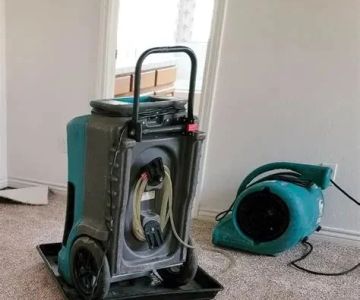
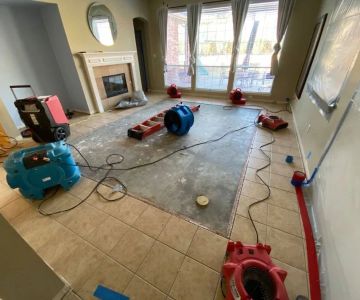
- Dry Out the Affected Area: Use fans, dehumidifiers, and ventilation to dry out the affected areas. Drying the area quickly can help prevent mold growth and minimize further damage.
- Inspect for Structural Damage: Check for damage to walls, ceilings, and floors. Warped or sagging drywall may need to be replaced. Any wood or plaster that’s been exposed to water for an extended period may require repair or replacement.
- Clean and Disinfect: After drying out the area, clean and disinfect the surfaces. This will help remove bacteria and prevent mold growth. Pay particular attention to areas where water was standing for an extended period.
- Reinstall Fixtures: Once the area is dry and clean, reinstall any fixtures that were damaged by the water. This may include replacing baseboards, drywall, or floor coverings that have been compromised by the burst pipe.
4. Preventing Burst Pipes in the Future
To avoid future pipe bursts and water damage, take the following preventive measures:
- Insulate Pipes: Pipes in unheated areas like basements, attics, or garages are more prone to freezing and bursting in cold weather. Insulate these pipes with foam or heat tape to prevent freezing.
- Maintain Adequate Heating: Keep your home at a consistent temperature during cold months, especially in unheated spaces where pipes are located. A minimum of 55°F (12°C) is typically sufficient to keep pipes from freezing.
- Check for Leaks Regularly: Inspect your pipes regularly for signs of leaks or weaknesses. Address any issues promptly to avoid costly repairs later.
- Install a Water Leak Detection System: Consider installing a water leak detection system that alerts you when there’s a significant water leak in your home. These systems can provide early warnings, potentially preventing extensive damage.
5. When to Call a Professional Plumber
In some situations, repairing water damage from burst pipes requires professional expertise:
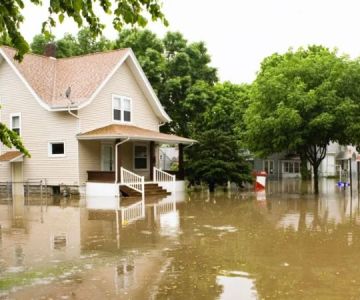
- Major Water Damage: If the damage is extensive, such as large areas of flooding, it’s important to call a professional plumber or water damage restoration expert. They can assess the situation and recommend the best course of action.
- Complex Pipe Repairs: If the burst pipe is located in a hard-to-reach area or requires extensive repairs, it’s best to call a professional to ensure the job is done correctly and safely.
- Mold or Structural Concerns: If mold is present, or you suspect structural damage from the water, contact a professional to prevent long-term damage and health issues.
At Reliable Damage Hub, we offer a wide range of expert services for water damage repair, including emergency plumbing and mold remediation. Contact us for professional help when dealing with burst pipes and the resulting water damage.
In conclusion, handling water damage from burst pipes requires swift action, thorough inspection, and proper repair methods. By taking preventive measures and knowing when to call in professionals, you can protect your home from the damaging effects of water leaks. For expert advice and services, visit Reliable Damage Hub for trusted solutions.
 BELFOR Property Restoration4.0 (40 reviews)
 Anthony's Abatement4.0 (159 reviews)
 Express NYC4.0 (6 reviews)
 Kelce And Company4.0 (88 reviews)
 Samson Construction, LLC.4.0 (69 reviews)
 Water Damage 9545.0 (3 reviews)
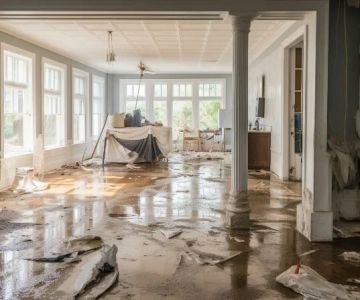
 What to Do If Your Water Damage Is Caused by an Appliance: Step-by-Step Guide
 Water Damage Inspection Checklist for Homeowners: What to Look for
 Top 5 Water Damage Restoration Myths Debunked
 How to Restore Water-Damaged Furniture and Carpets
 Water Damage Restoration for Schools and Libraries
 Top 5 Water Damage Restoration Myths Debunked