
- 1. Understanding Water Damage in Offices
- 2. Common Causes of Water Damage in Offices
- 3. Steps to Restoring Water-Damaged Offices
- 4. Preventing Water Damage in Office Buildings
- 5. Choosing a Reliable Water Damage Restoration Service
1. Understanding Water Damage in Offices
Water damage can be a serious issue for office buildings, disrupting operations, damaging property, and potentially leading to health risks such as mold growth. Whether from a burst pipe, leaking roof, or flooding, it is crucial to understand the impacts of water damage and act quickly to mitigate the damage. In this guide, we’ll walk you through the steps of handling water damage in an office, from the initial assessment to restoration, and how you can prevent it in the future.

Wizard Restorations Inc / puroclean of san fernando
Rancho CucamongaSan Bernardino CountyCalifornia
10245 8th St, Rancho Cucamonga, CA 91730, USA
2. Common Causes of Water Damage in Offices
Water damage in offices can stem from several sources. Understanding the root cause is vital to determining the correct approach to repair. Some of the most common causes include:
- Leaky Roofs: Roof leaks, often caused by aging shingles or poor maintenance, can lead to water entering through the top of the building, damaging ceilings, walls, and furniture.
- Broken Pipes: Burst pipes or leaking plumbing can cause significant water damage in office spaces, especially in older buildings. The water often spreads quickly and can seep into walls, floors, and furniture.
- Clogged Drains: Clogged drains in restrooms or kitchen areas can cause overflowing sinks or toilets, which can lead to water spreading across office floors.
- HVAC Malfunctions: Air conditioning units or heating systems that fail to drain properly can result in condensation buildup and leakage, potentially causing water damage to walls and floors.
- Flooding: Natural disasters, such as heavy rains or hurricanes, can lead to flooding, especially in office buildings located in flood-prone areas.
3. Steps to Restoring Water-Damaged Offices
Once water damage occurs, it is crucial to begin the restoration process promptly to minimize further damage and avoid costly repairs. Here are the key steps involved in restoring a water-damaged office:
- Assess the Extent of the Damage: Start by inspecting the affected areas to understand the severity of the damage. Look for standing water, damp walls, and any signs of mold or mildew.
- Shut Off the Water Supply: If the damage is caused by a leaking pipe or another water source, immediately turn off the water supply to stop further damage from occurring.
- Remove Standing Water: Use pumps or wet vacuums to remove any standing water in the office. The quicker you can extract the water, the less damage you’ll experience.
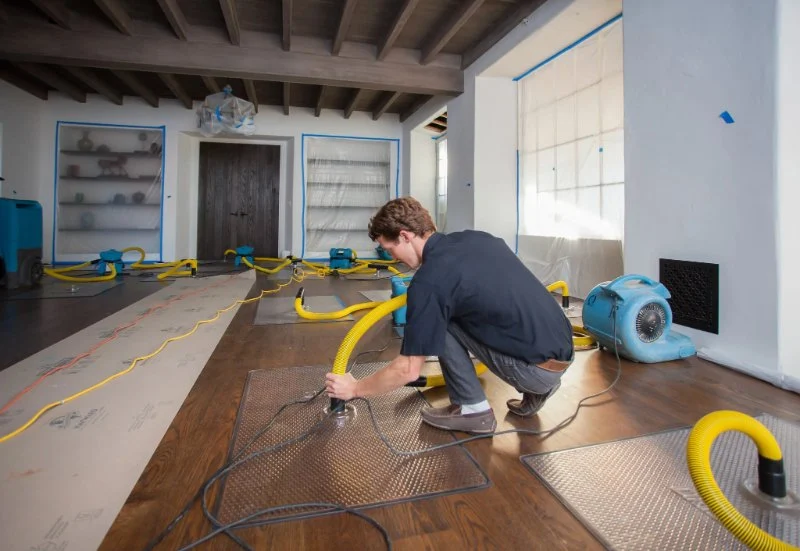
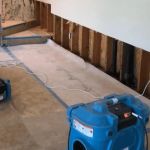
- Dry and Dehumidify: After the water is removed, it's essential to thoroughly dry the space. Use industrial fans and dehumidifiers to dry out the walls, floors, and furniture.
- Repair and Replace Damaged Materials: Once the area is dry, repair or replace any damaged structural materials such as drywall, flooring, and ceiling tiles. This may involve patching up leaks or replacing insulation in the affected areas.
- Inspect for Mold: Mold can begin to grow quickly in areas with excess moisture. Inspect the office space for mold growth, and if any is found, take immediate action to remove it.
4. Preventing Water Damage in Office Buildings
Prevention is always better than dealing with the aftermath of water damage. By taking proactive steps, you can reduce the likelihood of water damage in your office space. Here are some tips for preventing water damage:
- Regular Maintenance: Regularly inspect the office building for signs of wear and tear, such as cracks in the roof, clogged gutters, or damaged plumbing. Addressing small issues early can prevent larger problems down the line.
- Waterproofing: Consider waterproofing areas prone to water exposure, such as the basement or lower levels. This can help keep water from entering the building during heavy rainfall or storms.
- Install Water Detection Sensors: Water leak detectors and sensors can provide early warnings of leaks, allowing you to take action before significant damage occurs.
- Proper Drainage: Ensure that the building’s drainage system is clear and functioning properly to prevent water from pooling around the foundation.
- Maintain HVAC Systems: Regularly clean and inspect HVAC units to ensure that they are draining properly and that moisture does not build up within the system.
5. Choosing a Reliable Water Damage Restoration Service
When dealing with water damage, choosing a reliable restoration service is essential to get the job done correctly and efficiently. Look for a service that offers:
- 24/7 Availability: Water damage can occur at any time, so you need a restoration service that is available around the clock to respond quickly to emergencies.
- Certified Technicians: Ensure that the restoration company employs certified and experienced technicians who can handle water damage restoration professionally.
- Comprehensive Services: The company should provide a full range of services, from water extraction to drying, cleaning, and repair. They should also be able to handle mold removal if necessary.
- Insurance Claims Assistance: A good restoration service will help you navigate the insurance claims process, ensuring you get the coverage you need for the repairs.
If you’re looking for expert water damage restoration services, visit Reliable Damage Hub to find top-rated professionals in your area.
 SERVPRO of Doral4.0 (52 reviews)
 Best Option Restoration of Lakewood5.0 (78 reviews)
 Duke Restoration5.0 (1 reviews)
 Paul Davis Restoration of Northeast Georgia4.0 (30 reviews)
 Water Damage Restoration Service3.0 (22 reviews)
 Disaster Relief5.0 (240 reviews)
 Water Damage Restoration for Commercial Offices: Protecting Business Continuity
 Restoring Water-Damaged Electronics: What Works and What Doesn’t
 Water Damage Repair for Ceiling Tiles | How to Fix Water-Damaged Ceiling Tiles
 How to Prevent Water Damage from Affecting Your Furniture
 Water Damage Restoration for Schools and Educational Buildings
 How to Dry Out Water-Damaged Insulation – Effective Methods and Solutions