
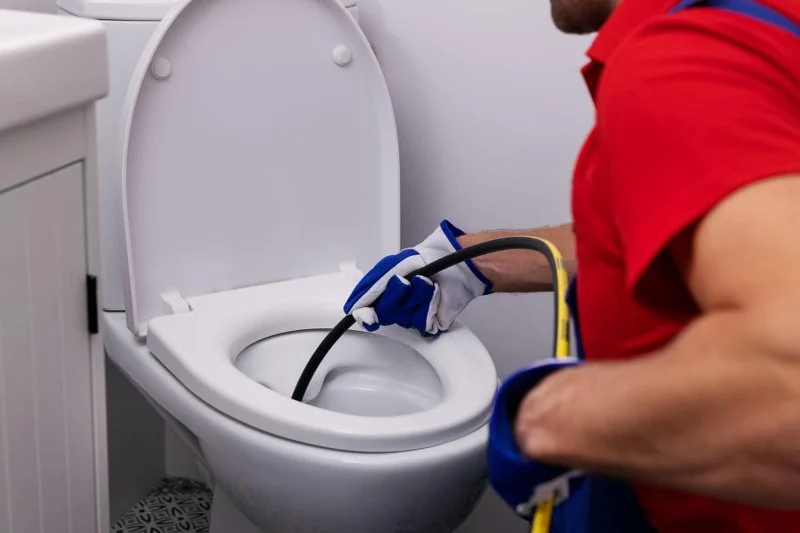
How to Handle Water Damage From Overflowing Toilets
- 1. Immediate Steps to Take After Toilet Overflow
- 2. Assessing the Extent of Water Damage
- 3. Cleaning and Drying After Water Damage
- 4. Long-Term Repairs and Prevention Tips
- 5. How Reliable Damage Hub Can Help with Restoration
1. Immediate Steps to Take After Toilet Overflow
When your toilet overflows, the situation can quickly escalate from a minor inconvenience to a major disaster, especially when water spreads to other areas. The first few steps you take can make all the difference in preventing extensive damage and minimizing cleanup efforts.
First, turn off the water supply to the toilet to prevent further overflow. Most toilets have a shut-off valve located behind or next to the toilet. Once the water stops flowing, wear protective gloves and assess the situation. If the water is clean (e.g., from a clogged toilet), you may proceed with cleanup. However, if the water is contaminated with waste (i.e., black water), it is crucial to avoid direct contact and seek professional help immediately.

Kustom US Restoration / kustom restoration
1215 W Houston Ave Suite A, Gilbert, AZ 85233, USA
2. Assessing the Extent of Water Damage
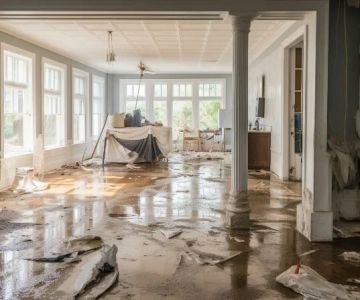
Once you’ve stopped the flow of water, it's time to evaluate how much damage has been done. The amount of damage will depend on how long the water was spilling, the areas affected, and the type of water involved. For clean water, damage may be limited to the floor and possibly surrounding walls or furniture. However, if black water is involved, contamination is a concern, and areas such as carpets, drywall, and baseboards may need to be thoroughly cleaned or replaced.
Inspect the floors, walls, and any affected furniture or belongings. If the water has soaked into carpets or wood, mold and mildew can start to form within 24 to 48 hours, so it’s crucial to address water damage as soon as possible. Check the ceilings below, as the overflow may have reached other areas of the home.
SERVPRO of Pompano Beach / servpro fort lauderdale south
Pompano BeachBroward CountyFlorida
2101 NW 33rd St #200a, Pompano Beach, FL 33069, USA
3. Cleaning and Drying After Water Damage
Once you’ve assessed the damage, the next step is cleaning and drying the affected areas. Start by removing any standing water with a wet/dry vacuum or towels. For minor amounts of water, a mop can suffice, but for larger spills, it's better to use specialized equipment. Keep in mind that cleaning up quickly will prevent water from seeping into the structural components of your home, like the subflooring, which can cause long-term damage.
After removing the water, drying the area thoroughly is essential to prevent mold growth. Use fans, dehumidifiers, or open windows to promote airflow and reduce humidity. Ensure that the affected areas are dry to the touch before beginning any repairs. This is especially important for carpets, as they can absorb water quickly and become breeding grounds for bacteria and mold.
4. Long-Term Repairs and Prevention Tips
After you’ve cleaned and dried the affected areas, you’ll need to address any long-term repairs. For floors, walls, and carpets, this may include replacing damaged materials, especially if they were exposed to contaminated water. It's often a good idea to call in a professional for mold remediation or if the damage is extensive.
To prevent future toilet overflows, ensure your toilet’s plumbing is in good condition. Consider regular maintenance and cleaning of the toilet’s pipes and drainage systems to avoid blockages. Installing a backflow prevention valve or using a toilet with a built-in overflow prevention mechanism can also help prevent similar issues in the future. Additionally, educate household members about what should and should not be flushed down the toilet to reduce the risk of clogs.
5. How Reliable Damage Hub Can Help with Restoration
Dealing with water damage from an overflowing toilet can be overwhelming, but you don’t have to do it alone. Reliable Damage Hub is here to help with expert restoration services. Whether you need professional water extraction, mold remediation, or repairs to structural damage, we can connect you with trusted professionals who specialize in water damage restoration.
Our platform provides a curated list of local service providers who can handle everything from cleanup to full repairs, ensuring your property is restored to its pre-damage condition. Visit Reliable Damage Hub today to find the best solutions for your water damage recovery needs!
 Giertsen Company of Wisconsin4.0 (36 reviews)
 AAA Restoration & Construction Services, Inc5.0 (42 reviews)
 SERVPRO of Slidell4.0 (65 reviews)
 All Round Restoration4.0 (31 reviews)
 All Dry Services of Denver4.0 (84 reviews)
 Mold Busters Ogden4.0 (63 reviews)
 Water Damage Repair for Sheetrock and Plaster Walls: A Step-by-Step Guide
 Water Damage Repair for Drywall and Plaster
 How to Detect and Repair Water Damage in Wall Insulation: A Complete Guide
 What Are the Key Signs of Water Damage in Your Home?
 Effective Water Damage Repair for Carpets and Rugs - Expert Tips
 Water Damage Restoration for Multi-Family Homes | Eco-Friendly Disposal