
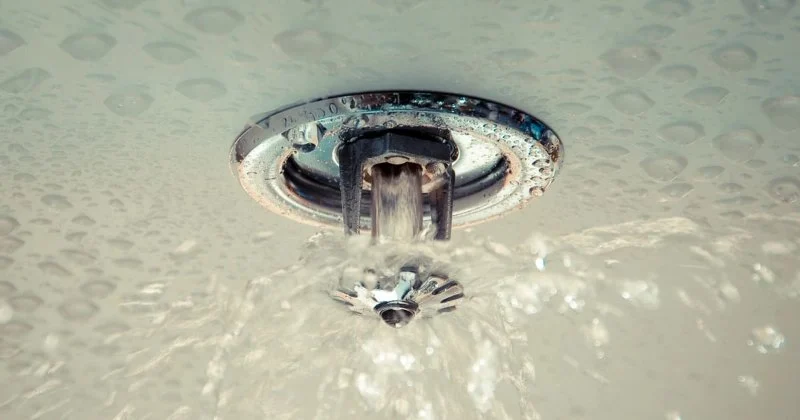
Water Damage Restoration After Fire Sprinkler Accidents
- 1. Understanding Water Damage After Fire Sprinkler Accidents
- 2. Common Causes of Fire Sprinkler Water Damage
- 3. Steps to Restore Water Damage After Fire Sprinkler Accidents
- 4. How to Prevent Fire Sprinkler Water Damage
- 5. When to Seek Professional Help for Restoration
1. Understanding Water Damage After Fire Sprinkler Accidents
Fire sprinklers are an essential component in any fire safety system, designed to protect life and property in the event of a fire. However, when these sprinklers are triggered unintentionally, or when there’s an accident that causes them to go off, the resulting water damage can be severe. Fire sprinkler water damage often affects walls, ceilings, floors, and electrical systems, leading to costly repairs. Understanding the impact of water damage from fire sprinklers and knowing how to restore your property effectively is critical for minimizing long-term damage. In this guide, we will explore how to identify, repair, and prevent water damage caused by fire sprinklers.
2. Common Causes of Fire Sprinkler Water Damage
There are several scenarios where fire sprinkler systems can malfunction or be triggered inappropriately, causing unwanted water damage. Here are some of the common causes:
- System malfunctions: A defect in the sprinkler system itself, such as faulty wiring, pressure irregularities, or a malfunctioning valve, can cause sprinklers to activate unexpectedly.
- Accidental activation: Sprinklers may activate accidentally due to a false alarm or if they’re triggered by heat from other sources, such as cooking or equipment failure.
- Freezing pipes: In colder climates, fire sprinkler pipes can freeze during the winter months, causing them to burst and release water into the building.
- Improper maintenance: Lack of routine inspection and maintenance can lead to a buildup of debris, malfunctioning components, or leaks that could cause water damage when least expected.
3. Steps to Restore Water Damage After Fire Sprinkler Accidents
If you've experienced water damage due to a fire sprinkler malfunction, follow these steps to mitigate the damage and begin the restoration process:
- Turn off the water supply: Immediately stop the flow of water by turning off the main water supply to prevent further flooding and damage.
- Document the damage: Take pictures of the affected areas and make a detailed record of the damage for insurance purposes. This will help streamline the claims process.
- Remove standing water: Use wet vacuums or pumps to remove standing water as quickly as possible. The longer water remains, the greater the damage to walls, floors, and personal belongings.
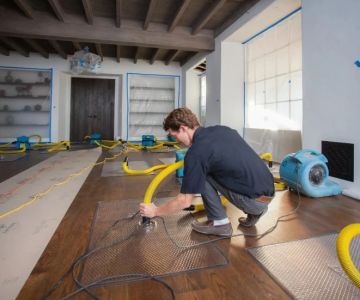
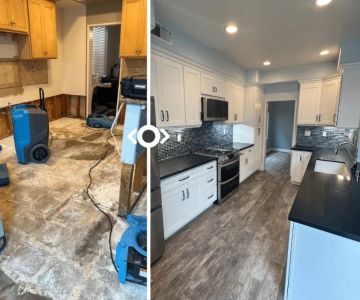
- Dry the affected areas: Utilize industrial fans and dehumidifiers to dry out walls, carpets, and furniture. Mold can begin to grow within 24-48 hours, so it's important to dry the area thoroughly and promptly.
- Inspect structural integrity: Check for signs of damage to the structure, including sagging ceilings or weakened walls. If the structural integrity is compromised, it's important to consult with a professional to assess the damage.
- Clean and sanitize: Clean and sanitize the affected areas to prevent mold growth and ensure a healthy environment. Special attention should be paid to areas that were in direct contact with water.
4. How to Prevent Fire Sprinkler Water Damage
While fire sprinklers are an essential part of your safety system, there are ways to prevent water damage from accidental sprinkler activation. Here are some prevention tips:
- Regular inspection and maintenance: Ensure that your fire sprinkler system is inspected and maintained regularly to detect any defects or issues that may cause malfunction.
- Temperature control: In areas where temperatures drop below freezing, consider installing insulation around sprinkler pipes to prevent freezing and potential bursts.
- Upgrade to modern systems: If your sprinkler system is outdated, consider upgrading to newer systems that are more reliable and have improved features to prevent accidental activation.
- Install water sensors: Consider installing water detection sensors in areas where sprinklers are installed. These sensors can alert you to leaks or unusual water flow before it leads to significant damage.
5. When to Seek Professional Help for Restoration
While there are steps you can take on your own, it's often best to seek professional help when dealing with water damage from fire sprinklers. Professional restoration companies have the equipment and expertise needed to handle large-scale water damage, including drying out and cleaning affected areas, repairing structural damage, and preventing mold growth. If you notice any signs of major damage or if the water damage is widespread, it’s best to call in experts to restore your property safely and efficiently.
By following these steps, you can minimize the damage caused by fire sprinkler accidents and restore your property effectively. Remember, prevention and quick action are key to ensuring that your home or business remains safe and habitable after water damage. For further assistance in restoration or repair, visit Reliable Damage Hub.

 WATERDROPSOAP LLC0.0 (0 reviews)
 Tar Heel Basement Systems4.0 (75 reviews)
 Jarvis Property4.0 (8 reviews)
 Budget Dry Basement Waterproofing4.0 (388 reviews)
 Roto-Rooter Plumbing & Water Cleanup4.0 (4405 reviews)
 Rainbow Restoration of Arcadia5.0 (18 reviews)
 Steps for Cleaning and Sanitizing After Water Damage: A Complete Guide
 How to Handle Water Damage From Roof Flashing Failures
 How to Handle Water Damage From Burst Water Heaters
 What to Do if Your House is Flooded from a Broken Pipe | Reliable Damage Hub
 How to Prevent Mold Growth After Water Damage in Your Basement
 Preventing Water Damage in Your Home’s Bathroom: Tips and Tricks