
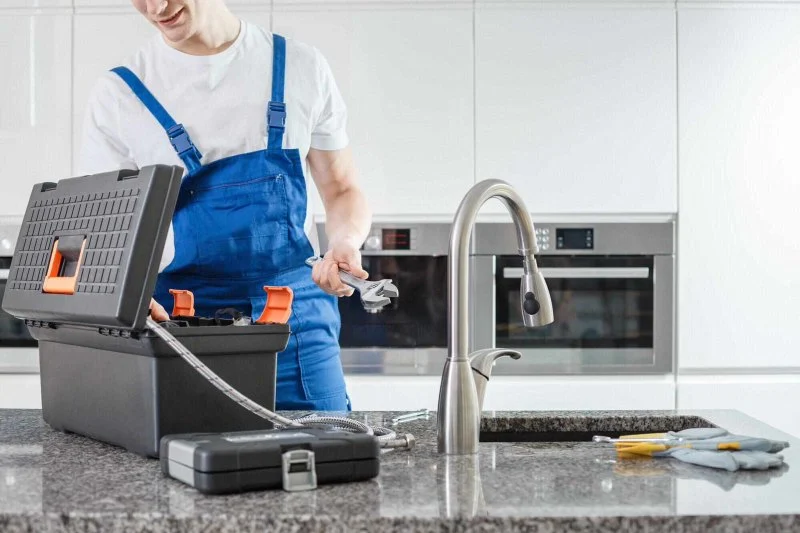
Top Tools Every Homeowner Should Have for Water Damage Repair
- 1-Understanding Water Damage Repair
- 2-Essential Tools for Water Damage Repair
- 3-How to Choose the Right Tools for Water Damage Repair
- 4-Step-by-Step Guide to Repairing Water Damage
- 5-Maintaining Your Repair Tools
- 6-Where to Buy Water Damage Repair Tools
1-Understanding Water Damage Repair
Water damage is a common problem that homeowners face, whether from a burst pipe, flooding, or leaky roofs. The damage caused by water can be destructive and costly if not addressed quickly and effectively. Immediate repairs are essential to prevent mold growth, further structural damage, and other long-term issues.
While you may need professional help for extensive water damage, many minor repairs can be handled by homeowners with the right tools and knowledge. In this article, we will cover the essential tools you should have for water damage repair, how to use them, and where to find them. With the right preparation, you can tackle water damage repairs efficiently and prevent future issues.
Giants / dry kings restoration of san francisco
San FranciscoSan Francisco CountyCalifornia
685 Geary Blvd, San Francisco, CA 94102, USA
2-Essential Tools for Water Damage Repair
When dealing with water damage, having the right tools can make a huge difference in the speed and effectiveness of your repairs. Here are some of the most essential tools that every homeowner should have for water damage repair:
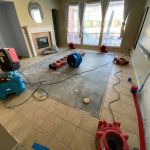
- Wet/Dry Vacuum: A wet/dry vacuum is crucial for removing standing water from floors, carpets, and other surfaces. It can quickly extract water and help prevent further damage.
- Dehumidifier: After removing excess water, it’s important to dry out the affected area. A dehumidifier helps reduce moisture levels in the air, preventing mold growth and ensuring your home dries out properly.
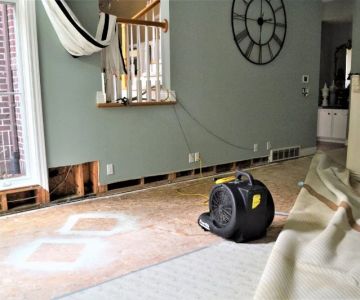
- Air Movers/Fans: High-powered air movers and fans are excellent tools for increasing airflow in the affected area, accelerating the drying process and preventing mold and mildew.
- Moisture Meter: A moisture meter helps assess the level of water absorption in materials like drywall, wood, and insulation. It’s crucial for determining whether an area is dry enough to be repaired.
- Shop Towels and Sponges: For smaller, more precise clean-ups, shop towels and sponges are great for wiping down surfaces and absorbing excess moisture.
These tools, along with other general repair supplies like gloves and safety goggles, are essential for ensuring your home is thoroughly dried out and restored after water damage.
SERVPRO of Pompano Beach / servpro of santa maria
Pompano BeachBroward CountyFlorida
2101 NW 33rd St #200a, Pompano Beach, FL 33069, USA
3-How to Choose the Right Tools for Water Damage Repair
Selecting the right tools for water damage repair depends on the extent of the damage and the area being repaired. For smaller issues like leaking pipes or localized flooding, basic tools such as a wet/dry vacuum and fans may be sufficient. However, for more serious damage, you may need additional equipment such as a moisture meter or commercial-grade dehumidifiers.
Here’s how to choose the right tools:
- Assess the Area: Consider the size of the affected area and the level of moisture. For larger, more complex repairs, you may need industrial-grade equipment.
- Tool Features: Look for tools that are specifically designed for water damage. For example, a wet/dry vacuum with a strong motor will make cleanup faster, and a moisture meter with a probe allows you to test hard-to-reach areas.
- Consider Your Budget: While it’s important to invest in quality tools, it’s also important to stay within your budget. Consider renting more expensive equipment for larger jobs if necessary.
4-Step-by-Step Guide to Repairing Water Damage
Repairing water damage involves several key steps, from immediate cleanup to final repairs. Here’s a step-by-step guide to help you through the process:
- Step 1 – Stop the Water Source: Before starting any repairs, ensure that the source of the water damage is completely stopped. If the damage is caused by a burst pipe, turn off the water supply. For roof leaks, consider temporarily covering the area with a tarp.
- Step 2 – Remove Excess Water: Use a wet/dry vacuum to remove standing water as quickly as possible. The longer water sits, the more damage it can cause to your home.
- Step 3 – Dry the Area: Place fans and dehumidifiers around the affected area to help dry out the materials. Make sure to use a moisture meter to check the humidity levels in walls and floors to ensure everything is fully dry.
- Step 4 – Clean and Disinfect: Once the area is dry, clean and disinfect all affected surfaces to prevent mold and mildew growth. Use a mild detergent and water to clean floors, walls, and furniture.
- Step 5 – Repair the Damage: Once the area is dry and clean, it’s time to begin the repair process. This could involve replacing drywall, repairing flooring, or repainting walls. If the damage is severe, it’s advisable to consult a professional.
Following these steps will ensure that the water damage is properly addressed and help prevent any future issues.
5-Maintaining Your Repair Tools
Proper maintenance of your water damage repair tools is essential for ensuring they remain effective and ready for future use. Here are some tips to help you maintain your tools:
- Clean After Each Use: After using a wet/dry vacuum or any other tool, clean it thoroughly to remove any debris, dust, or moisture. This will extend the lifespan of the tool.
- Store Properly: Store your tools in a dry, cool place away from moisture to prevent rust and wear. Make sure that fans and air movers are stored in a manner that keeps them safe from damage.
- Regular Inspections: Periodically check your tools for any signs of wear or damage. If you notice anything unusual, such as a damaged hose or malfunctioning motor, it’s better to repair or replace the tool before your next use.
6-Where to Buy Water Damage Repair Tools
Finding high-quality tools for water damage repair is essential to ensure effective results. You can purchase these tools at a variety of stores, both in person and online:
- Home Improvement Stores: Stores like Home Depot and Lowe’s carry a wide selection of wet/dry vacuums, dehumidifiers, air movers, and other water damage repair tools.
- Online Retailers: Websites like Amazon and eBay offer a large selection of repair tools with customer reviews, so you can find trusted options based on your needs.
- Specialized Suppliers: For more specialized equipment like moisture meters or industrial-grade fans, check out specialized suppliers such as Reliable Damage Hub, where you can find high-quality tools designed specifically for water damage repair.
By shopping at these stores, you can find everything you need to tackle water damage repairs at home.
 Good Roads Water Damage Experts5.0 (1 reviews)
 R&R Foundation Specialist4.0 (305 reviews)
 MJ White4.0 (102 reviews)
 ATI Restoration3.0 (25 reviews)
 Modernistic4.0 (251 reviews)
 ServiceMaster Cleaning Services4.0 (27 reviews)
 Water Damage Restoration for Retail Spaces – Expert Tips and Real Cases
 How to Prevent and Repair Water Damage in Commercial Properties
 How to Protect Your Home’s Electrical System from Water Damage: Essential Tips
 Flooded Basement? Here’s How to Restore It Safely
 How to Handle Water Damage After a Storm: A Step-by-Step Guide
 How to Handle Water Damage from Burst Pipes: A Step-by-Step Guide