
Water Damage Restoration After Storm Damage: Step-by-Step
- 1-Understanding Water Damage After Storms
- 2-Immediate Steps to Take After a Storm
- 3-How to Inspect and Assess Water Damage
- 4-Step-by-Step Water Damage Restoration
- 5-How Reliable Damage Hub Can Assist
1. Understanding Water Damage After Storms
Storms, especially severe ones, can bring heavy rainfall, flooding, and strong winds that result in significant water damage to homes. When rainwater or floodwater enters the home, it can cause damage to flooring, walls, ceilings, and even the foundation. This type of damage may not only affect the aesthetics of your home but can also pose a risk to the structural integrity and the health of its occupants.
Water damage restoration after a storm requires immediate attention, as delaying repairs can lead to further issues like mold growth, wood rot, or weakening of the foundation. The sooner you take action, the better the chances are to restore your home and minimize long-term damage.
2. Immediate Steps to Take After a Storm
When you experience storm damage, it’s crucial to act quickly to prevent further complications. Here are the immediate steps you should take:
- Ensure Safety First: Before entering a water-damaged home, ensure that the area is safe. Turn off the electricity to avoid electrocution, especially if standing water is present.
- Stop Water Flow: If possible, identify the source of the water and stop it. Shut off water valves or close drainage systems to prevent additional water from entering the home.
- Remove Valuable Items: Move valuable furniture, electronics, and personal items away from the water to minimize loss.
- Protect Entryways: Use sandbags, plastic sheeting, or boards to block doorways or windows that may continue to let water in.
These initial steps are essential to ensure the safety of your family and to limit the amount of damage that occurs after a storm.
3. How to Inspect and Assess Water Damage
Once the immediate dangers are addressed, the next step is to assess the extent of the damage. Proper inspection and assessment are crucial for determining the scope of the repairs required. Here’s how to do it:
- Check for Standing Water: Look for visible pools of water on the floor. Standing water can lead to further damage and should be removed as soon as possible.
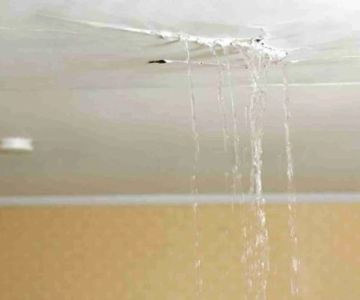
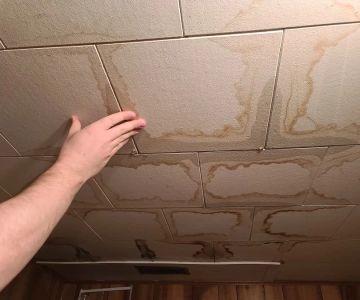
- Inspect the Walls and Ceilings: Check for signs of water stains, warping, or bubbling paint. These can indicate that water has seeped into the walls or ceilings.
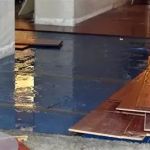
- Examine Flooring and Carpeting: Water can seep into carpets, hardwood, or tile flooring. Check for any dampness or warping, especially in areas near entry points.
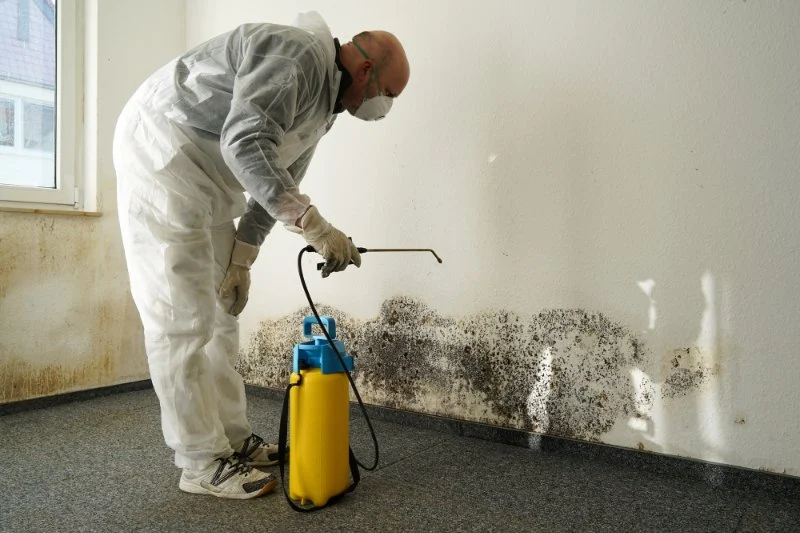
- Check for Mold Growth: Look for early signs of mold or mildew, particularly in damp areas. Mold can start growing within 24-48 hours of water exposure, so timely remediation is crucial.
If you notice extensive water damage or are unsure how to proceed, it’s best to consult with a professional water damage restoration company to properly assess the situation.
4. Step-by-Step Water Damage Restoration
Water damage restoration typically involves several steps to ensure that your home is properly repaired. Here’s a breakdown of the process:
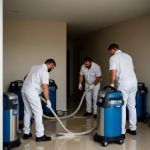
- Water Removal: Use industrial-grade pumps and wet vacuums to remove standing water from the affected areas. This step is essential to reduce the risk of structural damage and mold growth.
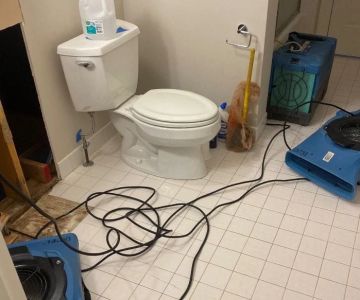
- Drying and Dehumidifying: Once the water is removed, drying the area is essential. Use fans, dehumidifiers, and specialized drying equipment to reduce moisture levels in the affected areas.
- Cleaning and Sanitizing: After drying, clean and disinfect the affected areas to prevent the growth of mold and bacteria. This step ensures that your home is safe and healthy to live in.
- Repairs and Restoration: After the area is cleaned and dried, it’s time for repairs. This may include fixing damaged flooring, replacing drywall, and restoring the structural integrity of the home.
- Final Inspection: A final inspection ensures that all repairs are completed and that the area is safe. It’s also a good time to apply water-resistant sealants to prevent future damage.
By following these steps, you can restore your home to its original condition and protect it from future water damage. However, if the damage is too extensive, it’s always best to call in a professional restoration company to ensure the job is done correctly.
5. How Reliable Damage Hub Can Assist
If you’re dealing with water damage after a storm, the team at Reliable Damage Hub can help. We offer high-quality restoration products, including dehumidifiers, water extractors, and water-resistant sealants to ensure your home is properly restored.
Additionally, our network of professionals can provide expert water damage restoration services to handle everything from water removal to structural repairs. Visit Reliable Damage Hub today to find the tools and services you need to restore your home after storm damage.
 Spaulding Decon Tampa4.0 (151 reviews)
 24 Hour Flood Pros of Arizona5.0 (1017 reviews)
 Caldwell Painting & Drywall LLC5.0 (7 reviews)
 SERVPRO of Corinth/Iuka3.0 (7 reviews)
 Griffin's Family Painting4.0 (9 reviews)
 Water Damage Usa inc5.0 (2 reviews)
 Signs You Need Immediate Water Damage Repair: Key Indicators
 The Hidden Dangers of Water Damage and How to Avoid Them
 Water Damage Repair for Wet Crawl Spaces | Reliable Damage Hub
 What Are the Signs of Water Damage That Homeowners Often Miss?
 Water Damage Repair for Garage Floors
 How to Handle Water Damage in Your Kitchen and Bathroom: Essential Tips and Solutions