
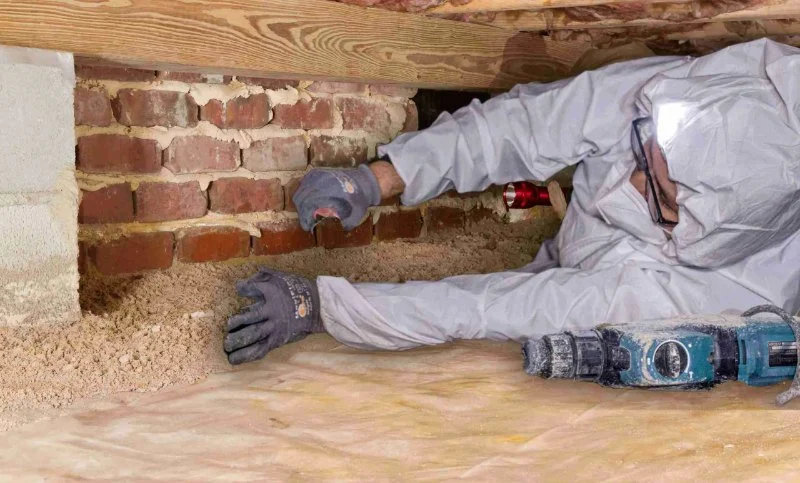
- Understanding Crawl Space Water Damage
- Signs of Water Damage in Crawl Spaces
- Step-by-Step Guide to Repairing Water Damage in Crawl Spaces
- Prevention Tips for Crawl Space Water Damage
- Common Mistakes to Avoid When Repairing Crawl Spaces
1. Understanding Crawl Space Water Damage
Water damage in crawl spaces is a common yet often overlooked issue in many homes. Crawl spaces are typically located beneath the home, which means they can be prone to moisture accumulation due to various factors such as poor drainage, plumbing leaks, or high humidity levels. Over time, excess water can lead to significant structural and health problems, including mold growth, wood rot, and even foundation damage.
Understanding how water enters the crawl space and the consequences of prolonged moisture exposure is crucial for homeowners looking to maintain the integrity of their property. In this article, we will explore the signs of water damage, how to repair it, and how to prevent future issues in your crawl space.
Drip Restoration / valleywide restoration mesa az
932 S Stapley Dr, Mesa, AZ 85204, USA
2. Signs of Water Damage in Crawl Spaces
Identifying water damage early on can save homeowners a significant amount of time and money. Here are some common signs of water damage in crawl spaces that should never be ignored:
SERVPRO of Pompano Beach / servpro fort lauderdale south
Pompano BeachBroward CountyFlorida
2101 NW 33rd St #200a, Pompano Beach, FL 33069, USA
2.1 Musty Odor
A strong, musty smell in the crawl space is one of the first signs of water damage. This odor is often a result of mold and mildew growth caused by prolonged exposure to moisture. If you notice this scent, it’s a clear indication that water is trapped somewhere in the crawl space, creating the perfect environment for mold to thrive.
2.2 Damp or Wet Flooring
If the floor of your crawl space feels damp or if you notice standing water, it’s a sign that the space has been exposed to excess moisture. Even small puddles of water can lead to long-term damage if not addressed promptly.
2.3 Wood Rot and Warping
Wooden beams and joists in the crawl space are highly susceptible to water damage. Over time, exposure to moisture causes wood to weaken, warp, and rot. If you notice soft, spongy, or discolored wood in the crawl space, it’s a serious sign of water damage that needs immediate attention.
2.4 Pest Infestation
Excess moisture in crawl spaces often attracts pests such as termites, ants, and rodents. If you notice an increase in pest activity, it’s worth checking for water damage, as these pests are drawn to damp environments for food and shelter.
3. Step-by-Step Guide to Repairing Water Damage in Crawl Spaces
When dealing with water damage in your crawl space, it’s important to act quickly to minimize further harm. Here’s a step-by-step guide to effectively repairing water damage:
3.1 Assess the Damage
The first step in repairing water damage is assessing the extent of the damage. Inspect the crawl space for visible signs of moisture, wood rot, mold, and pest activity. If you’re unsure, consider hiring a professional inspector who can assess the damage more thoroughly.
3.2 Remove Standing Water
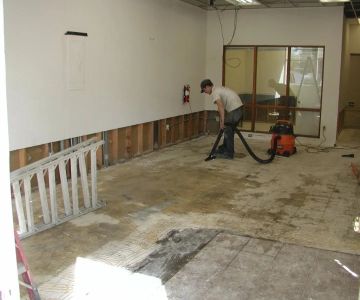
If there’s standing water in your crawl space, it’s essential to remove it as soon as possible. Use a submersible pump or wet vacuum to extract the water. Ensure that the water is completely removed from all areas of the crawl space to prevent further damage.
3.3 Dry Out the Area
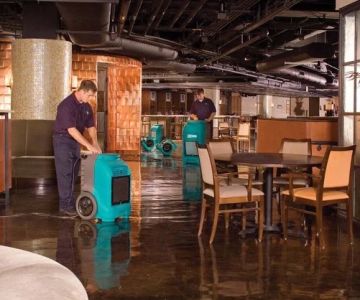
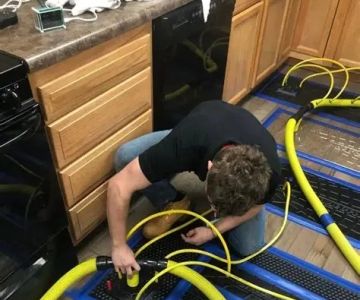
After removing the standing water, it’s crucial to dry out the crawl space to prevent mold growth. Use industrial fans and dehumidifiers to increase airflow and reduce moisture levels. Ensure that all surfaces, including wood and insulation, are thoroughly dried before proceeding with repairs.
3.4 Repair or Replace Damaged Materials
Next, address any damaged materials. If wooden beams or joists are severely damaged or rotted, they may need to be replaced. If insulation has become wet and ineffective, replace it with new, moisture-resistant insulation. Ensure all repairs are made with materials that are resistant to water damage to prevent future issues.
3.5 Install Proper Drainage
Proper drainage is essential in preventing future water damage. Make sure that the crawl space has adequate drainage systems in place, such as French drains or sump pumps, to redirect water away from the foundation. Also, ensure that gutters and downspouts are clear and functioning properly to prevent water from pooling around the foundation.
4. Prevention Tips for Crawl Space Water Damage
Preventing water damage in your crawl space is much easier and more cost-effective than repairing it. Here are some tips to help keep your crawl space dry and healthy:
4.1 Improve Ventilation
Ensure that your crawl space is properly ventilated. Good airflow helps prevent moisture buildup and keeps the area dry. Installing vents or adding a crawl space fan can significantly improve ventilation and reduce the risk of water damage.
4.2 Install a Vapor Barrier
A vapor barrier is a plastic sheet that can be placed over the floor and walls of the crawl space to prevent moisture from entering. Installing a high-quality vapor barrier can help protect against water damage and mold growth, especially in areas with high humidity levels.
4.3 Regular Inspections
Regularly inspect your crawl space for any signs of water damage or moisture buildup. Catching small issues early can prevent major problems in the future. Look for leaks, mold, or cracks that could allow water to seep into the crawl space.
5. Common Mistakes to Avoid When Repairing Crawl Spaces
While repairing water damage in a crawl space, it’s important to avoid common mistakes that could lead to further damage. Here are a few pitfalls to watch out for:
5.1 Not Addressing the Root Cause of Water Damage
Simply fixing the immediate water damage without addressing the underlying cause—such as poor drainage or leaks—will likely lead to recurring problems. Be sure to identify and correct the root cause of the water intrusion before making repairs.
5.2 Failing to Properly Dry the Area
It’s crucial to thoroughly dry out the crawl space after removing water. Failing to do so can lead to mold growth and further deterioration of materials. Ensure the area is completely dry before making any repairs.
5.3 Using Inadequate Materials
When replacing damaged materials, always use moisture-resistant materials that are suitable for a crawl space environment. Using standard materials may lead to future water damage or mold issues.
Water damage in crawl spaces can cause significant issues if left untreated. By following these steps to repair the damage, prevent future issues, and avoid common mistakes, you can ensure that your crawl space remains dry and healthy. For expert advice, products, and services related to water damage repair, visit Reliable Damage Hub for the best solutions.
 Roto-Rooter Plumbing & Water Cleanup4.0 (1537 reviews)
 Procyon5.0 (22 reviews)
 A1 Water Damage Restoration Austin5.0 (14 reviews)
 Voda Cleaning & Restoration of West Raleigh5.0 (199 reviews)
 C&C Carpet Cleaning and restoration4.0 (28 reviews)
 Express Water Damage Restoration5.0 (4 reviews)
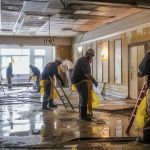 Water Damage Restoration for Schools and Educational Buildings
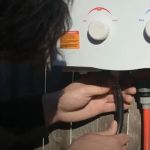 How to Handle Water Damage From Burst Water Heaters: A Step-by-Step Guide
 How Water Damage Affects Your Home’s Value and Ways to Prevent It
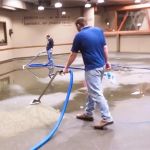 The Most Effective Methods for Water Extraction in the U.S.
 The Ultimate Guide to Water Damage Restoration After a Flood
 The Link Between Water Damage and Long-Term Structural Issues: What You Need to Know