
Preventing Water Damage From Leaky Roofs: Tips for Homeowners
- 1. Understanding the Dangers of Roof Leaks
- 2. Early Signs of Water Damage You Shouldn’t Ignore
- 3. Preventive Maintenance Tips to Protect Your Home
- 4. What to Do When You Notice a Leak
- 5. Real-Life Scenarios and Lessons Learned
- 6. When to Call Professionals and How Reliable Damage Hub Can Help
1. Understanding the Dangers of Roof Leaks
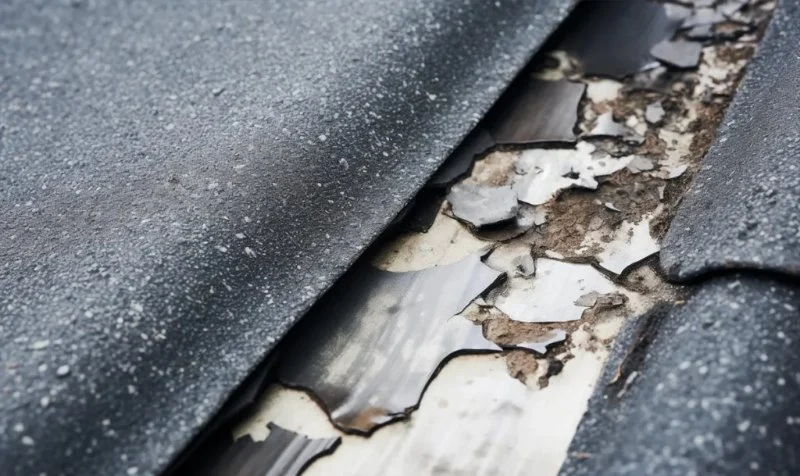
Roof leaks are one of the most common yet underestimated sources of home water damage. A small drip can quickly turn into a major problem, soaking insulation, warping wood, and encouraging mold growth. Even a slow leak can compromise your home’s structural integrity if ignored.
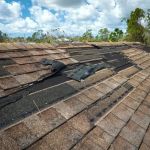
Moisture intrusion often begins around damaged shingles, flashing, or roof vents. Once water finds its way through, it seeps into ceilings and walls, often going unnoticed until significant damage occurs. Homeowners should understand that prevention isn’t just about aesthetics—it’s about avoiding expensive repairs and preserving your home’s long-term safety.
2. Early Signs of Water Damage You Shouldn’t Ignore
Spotting water damage early can save you thousands of dollars in repairs. The key is to know what to look for before the problem escalates.
SERVPRO of Pompano Beach / servpro of santa maria
Pompano BeachBroward CountyFlorida
2101 NW 33rd St #200a, Pompano Beach, FL 33069, USA
Common Warning Signs
• Brown or yellow ceiling stains
• Peeling paint or bubbling wallpaper
• Damp odors or visible mold
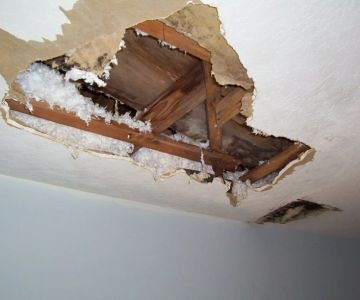
• Soft or sagging drywall
• Rusted roof nails or discolored attic beams
Checking your attic regularly can reveal leaks long before they become visible from inside your home. Many homeowners underestimate how much water can travel through insulation and along beams. Routine inspections, especially after storms, help detect problems early.
3. Preventive Maintenance Tips to Protect Your Home
Prevention is always the best defense against roof leaks and water damage. Consistent maintenance keeps your roof in excellent shape and extends its lifespan.
Inspect Your Roof Twice a Year
Climb up or use binoculars to check for cracked, curled, or missing shingles. Look for debris buildup in valleys where water tends to pool. Pay special attention after harsh weather, as strong winds can loosen materials.
Clean Gutters and Downspouts
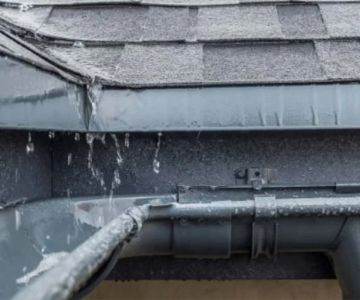
Clogged gutters cause water to back up under your roof edge, leading to leaks. Cleaning them every spring and fall prevents overflow and keeps rainwater flowing away from your home’s foundation.
Trim Nearby Trees
Branches that hang over your roof can scrape shingles and create openings. Falling leaves also clog gutters. Keep trees trimmed to minimize these risks.
Check Roof Flashing
Flashing seals the joints around vents, chimneys, and skylights. If it’s loose or corroded, replace it immediately. This simple fix prevents many common leak sources.
At Reliable Damage Hub, homeowners can find premium-quality sealants, leak repair kits, and roof inspection tools designed to make preventive maintenance simpler and more effective.
4. What to Do When You Notice a Leak
Once you spot a leak, fast action is crucial. Even minor leaks can cause significant damage within hours. Here’s how to respond effectively:
Step 1: Contain the Water
Place a bucket or container under the leak to catch dripping water. Move furniture or electronics out of the way and use towels to prevent further spreading.
Step 2: Locate the Source
Look for the origin of the leak in your attic or crawl space. Water often travels along rafters, so the entry point might not be directly above the visible stain.
Step 3: Temporary Patch
If safe, apply a tarp or roofing patch to cover the leak until professional repairs can be made. Avoid climbing onto the roof during bad weather—it’s better to wait for help than risk injury.
Step 4: Dry the Area Thoroughly
Use fans or dehumidifiers to dry out damp areas quickly. Mold can begin forming within 24–48 hours, so don’t delay. Reliable Damage Hub provides moisture detectors and drying equipment recommendations ideal for homeowners dealing with minor leaks.
5. Real-Life Scenarios and Lessons Learned
Consider the story of Sarah, a homeowner from Florida, who ignored a small stain on her ceiling for months. After a heavy rainstorm, her ceiling collapsed, revealing black mold and rotten beams. The total repair cost exceeded $8,000—something that could have been avoided with a $50 inspection.
Another case involved Tom, who noticed minor shingle damage after a hailstorm. He took preventive action immediately, sealing the cracks and replacing missing pieces. His proactive approach saved him from potential attic flooding during hurricane season. These real-life examples emphasize that maintenance isn’t optional—it’s essential.
6. When to Call Professionals and How Reliable Damage Hub Can Help
While DIY fixes can handle minor leaks, significant water damage or structural concerns require professional expertise. If you notice recurring leaks, sagging ceilings, or moldy insulation, it’s time to call a roofing specialist or restoration contractor.
Reliable Damage Hub connects homeowners with vetted local professionals who specialize in roof repair, leak detection, and water mitigation. You can also find curated products like waterproof coatings, leak sealants, and inspection cameras—all designed to help you prevent damage before it starts.
Investing in routine inspections and using trusted materials from Reliable Damage Hub ensures your home stays safe, dry, and structurally sound year-round.
 Fire Fixers4.0 (28 reviews)
 Santa Clarita Water Damage Company5.0 (21 reviews)
 All In One Emergency Mitigation Service5.0 (7 reviews)
 Morgan Restore4.0 (61 reviews)
 Water Damage Restoration5.0 (5 reviews)
 ServiceMaster by Claus4.0 (24 reviews)
 How to Handle Water Damage From Roof Flashing Failures
 Water Damage Restoration for Commercial Kitchens - Expert Guide
 Water Damage Restoration for Schools and Libraries
 How to Clean Your Home After Water Damage and Prevent Mold
 How to Clean Water-Damaged Carpeting and Area Rugs: Step-by-Step Guide
 How to Handle Water Damage Claims With Your Insurance