
- 1. Understanding the Causes of Water Damage in the Kitchen and Bathroom
- 2. Immediate Steps to Take After Water Damage
- 3. How to Prevent Future Water Damage in Your Kitchen and Bathroom
- 4. Repairing Water Damage: When to Call the Professionals
1. Understanding the Causes of Water Damage in the Kitchen and Bathroom
Water damage is a common problem in both kitchens and bathrooms, mainly due to the high moisture content in these areas. Understanding the primary causes can help you identify potential risks early and take preventive measures.
- Leaking Pipes: One of the most common causes of water damage in kitchens and bathrooms. Over time, pipes can corrode, leading to slow leaks that may go unnoticed until significant damage occurs.
- Broken Appliances: Dishwashers, refrigerators, and washing machines in the kitchen or bathrooms are essential appliances. If these appliances fail, they can cause extensive water damage. It's important to regularly inspect hoses and seals for wear.
- Clogged Drains: Blocked drains can lead to water backup, causing spills and leaks. Regular maintenance and clearing of drains can prevent this issue from becoming a larger problem.
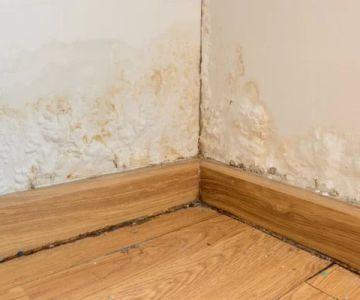
- Humidity and Condensation: Both the kitchen and bathroom often have high humidity levels due to cooking and showering. Condensation on walls and ceilings can contribute to mold and mildew growth if not properly managed.
2. Immediate Steps to Take After Water Damage
If you've discovered water damage in your kitchen or bathroom, it’s essential to act quickly to minimize further harm. Here are the first steps to take:
- Turn off the Water Supply: If the damage is caused by a burst pipe or leaking appliance, immediately turn off the water supply to prevent more water from flooding the area.
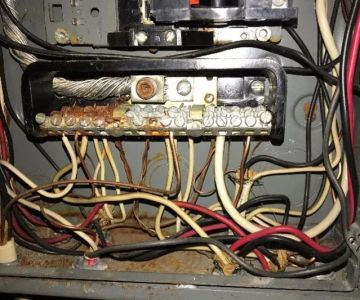
- Shut Off the Power: Water and electricity are a dangerous combination. If water has reached electrical outlets or appliances, turn off the power at the breaker box to avoid electrical shocks.
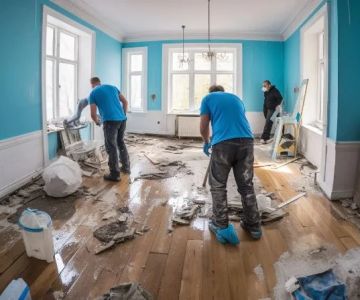
- Remove Standing Water: Use towels, mops, or a wet/dry vacuum to remove any standing water from floors and countertops. The quicker you act, the less damage you’ll incur.
- Ventilate the Area: Open windows, use fans, and dehumidifiers to dry the space. Proper ventilation is key to preventing mold and mildew growth, especially in the bathroom where moisture is already high.
3. How to Prevent Future Water Damage in Your Kitchen and Bathroom
After handling immediate water damage, it’s essential to take preventive measures to avoid future issues. Here’s how to protect your kitchen and bathroom from future water damage:
- Regularly Inspect Plumbing: Check your pipes, hoses, and appliances for signs of leaks. Tighten any loose connections, replace worn seals, and schedule professional inspections periodically.
- Seal Gaps and Cracks: Ensure that your kitchen and bathroom are properly sealed. This includes caulking around sinks, bathtubs, and showers to prevent water from seeping through cracks.
- Maintain Proper Drainage: Install or maintain a drainage system to direct water away from your home. Ensure that gutters are clean and functioning correctly, and downspouts are directing water at least five feet from the foundation.
- Use Moisture Absorbers: Place moisture-absorbing products like dehumidifiers or silica gel packets in areas prone to humidity, such as under sinks or inside cabinets, to reduce the risk of mold growth.
4. Repairing Water Damage: When to Call the Professionals
Some water damage issues can be easily managed with DIY methods, but in some cases, professional help is necessary. Here’s when you should consider calling a professional:
- Extensive Damage: If the damage is widespread, affecting multiple rooms or large areas, it’s best to call a professional restoration service to assess and repair the damage effectively.
- Structural Damage: If you notice signs of structural damage, such as weakened floors, sagging ceilings, or wood rot, it’s crucial to seek expert help immediately.
- Persistent Mold Issues: Mold can begin to grow within 24-48 hours after water damage. If you detect mold or mildew, a professional mold remediation service is needed to safely remove it and prevent further health risks.
- Insurance Claims: If you plan to file an insurance claim for water damage, a certified restoration company can provide proper documentation and assist with the claims process.
 Good Roads Water Damage Experts5.0 (1 reviews)
 R&R Foundation Specialist4.0 (305 reviews)
 MJ White4.0 (102 reviews)
 ATI Restoration3.0 (25 reviews)
 Modernistic4.0 (251 reviews)
 ServiceMaster Cleaning Services4.0 (27 reviews)
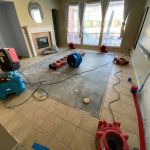 Water Damage Restoration for Retail Spaces – Expert Tips and Real Cases
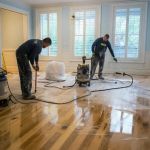 How to Prevent and Repair Water Damage in Commercial Properties
 How to Protect Your Home’s Electrical System from Water Damage: Essential Tips
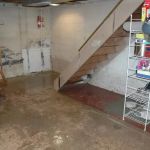 Flooded Basement? Here’s How to Restore It Safely
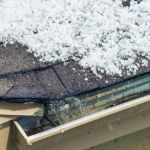 How to Handle Water Damage After a Storm: A Step-by-Step Guide
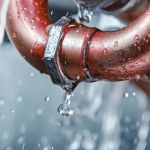 How to Handle Water Damage from Burst Pipes: A Step-by-Step Guide