
- 1. Understanding Water Damage in Books and Papers
- 2. Immediate Action for Water-Damaged Books and Papers
- 3. Drying Techniques for Water-Damaged Books
- 4. Restoring and Repairing Water-Damaged Documents
- 5. Preventing Future Water Damage
- 6. Real-Life Cases of Water-Damaged Book Restoration
1. Understanding Water Damage in Books and Papers
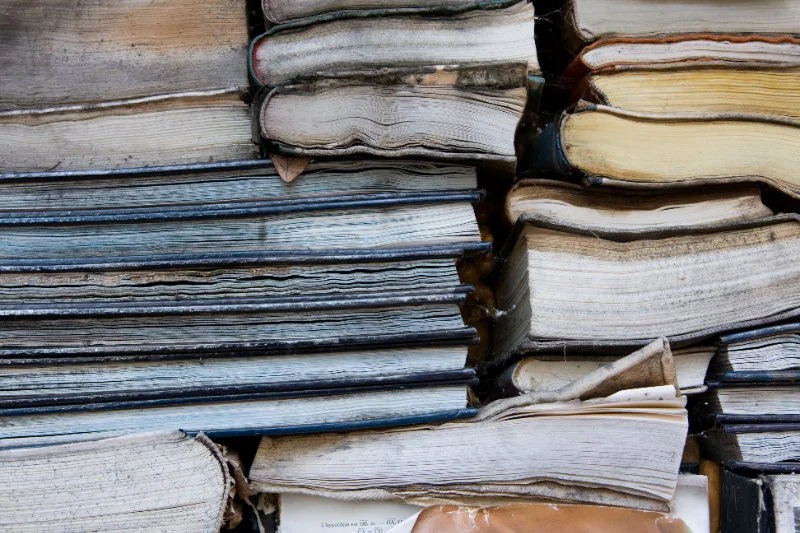
Water damage to books and papers is a common issue that can occur due to flooding, leaks, or spills. Water can cause significant harm to paper materials, leading to warping, staining, and weakening of the paper fibers. The severity of the damage often depends on the amount of water absorbed, the type of paper, and how long the paper or book was exposed to moisture. Understanding these factors is crucial when it comes to restoring damaged materials effectively.
Books and papers are especially vulnerable to water because of their absorbent nature. When paper gets wet, the fibers swell and lose their original structure, which can cause the pages to stick together, curl, or even tear. However, with prompt and proper restoration techniques, it's often possible to salvage water-damaged books and documents and prevent further deterioration.

Kustom US Restoration / kustom restoration
1215 W Houston Ave Suite A, Gilbert, AZ 85233, USA
2. Immediate Action for Water-Damaged Books and Papers
When books and papers are exposed to water, time is of the essence. Immediate action can prevent the damage from becoming irreversible. Here are the key steps you should take right away:
- Remove excess water: The first step is to gently blot away any excess water from the surface of the books or papers using a clean, dry cloth or paper towel. Do not rub, as this could tear or damage the paper further.
- Separate stuck pages: If pages are stuck together, carefully separate them by gently pulling them apart. Use a damp cloth to lightly moisten the edges of the pages if they are too dry and stuck together.
- Place on a dry surface: Lay the books or papers flat on a clean, dry surface, ensuring they are not in direct contact with sunlight or heat, as this can cause further damage.
The sooner you act, the better the chances of successfully restoring your books and papers. Delaying the restoration process can result in mold growth, permanent warping, or irreparable damage to the material.
SERVPRO of Pompano Beach / servpro of santa maria
Pompano BeachBroward CountyFlorida
2101 NW 33rd St #200a, Pompano Beach, FL 33069, USA
3. Drying Techniques for Water-Damaged Books
Once you've removed excess water, it's time to dry your water-damaged books and papers. Here are the best methods for drying:
- Air drying: For most books, air drying is the best method. Stand the books up on their spine, with the pages slightly fanned out. Leave them in a well-ventilated area at room temperature, away from direct heat or sunlight.
- Freezing: If the books are still wet and need immediate attention, freezing them is a great option. Freezing halts further damage, allowing you to deal with the restoration later. Once frozen, you can carefully separate pages and air dry them later.
- Use of blotting paper: For severely damaged books, place blotting paper or paper towels between each page to absorb moisture. Change the paper every few hours to prevent mold from forming and help prevent the pages from sticking together.
Remember, never use a hairdryer or heat sources to dry books as this can cause the paper to warp or become brittle. Patience is key in this process to avoid causing more harm to the materials.
4. Restoring and Repairing Water-Damaged Documents
Once your books and papers are dried, you can start restoring and repairing any damage. Here are some steps you can take to restore their appearance and functionality:
- Flattening pages: If the pages are warped or crinkled, you can flatten them by placing them under a heavy weight, such as a clean, dry book, for a few days. Use wax paper between the damaged paper and the weight to avoid direct contact and prevent further damage.
- Repairing tears: Small tears can be repaired using archival-quality tissue or Japanese paper. Gently apply a thin layer of adhesive along the tear and press the tissue paper over it. Be sure to use non-acidic adhesive to preserve the integrity of the paper.
- Professional restoration: For valuable or delicate items, consider professional restoration services. Experts can treat water-damaged books with specialized techniques to restore their structural integrity and aesthetic appearance.
It’s important to note that while DIY methods can help restore water-damaged materials, certain items, especially rare or antique books, might require the expertise of a professional conservator to ensure the best outcome.
5. Preventing Future Water Damage
Once you've successfully restored your books and papers, it's essential to take steps to prevent future water damage. Here are some tips to protect your valuable documents:
- Store in a dry, climate-controlled area: Keep books and papers in a dry, cool, and stable environment to avoid moisture buildup. Use protective covers or boxes to keep them safe from accidental spills or humidity.
- Use water-resistant storage: Consider using waterproof storage solutions like plastic bins or waterproof covers to store important documents, especially in flood-prone areas.
- Regularly check for leaks: Inspect your storage areas periodically for leaks or signs of water damage, especially if you live in an area prone to flooding or heavy rain.
These preventive measures can help ensure your books and documents stay safe from water damage in the future.
6. Real-Life Cases of Water-Damaged Book Restoration
Many people have successfully restored water-damaged books and papers by following the right techniques. For instance, after a major flood in 2017, a library in Texas faced the task of restoring thousands of water-damaged books. By using a combination of freezing, air drying, and professional restoration services, the library was able to save many valuable historical texts that would have otherwise been lost. This story highlights the importance of acting quickly and using proper restoration methods to salvage precious materials.
Another example comes from an individual who inherited a collection of old family documents that had been damaged by a roof leak. After following the drying and restoration steps outlined above, the family was able to preserve the letters and photographs, many of which held sentimental value. They even found a local restoration expert to repair a few rare documents that required delicate attention.
At Reliable Damage Hub, we provide access to a variety of products and services to help you restore and preserve water-damaged books and papers, including professional restoration tools and supplies. Visit us to find the best solutions for your restoration needs.
 Spaulding Decon Tampa4.0 (151 reviews)
 24 Hour Flood Pros of Arizona5.0 (1017 reviews)
 Caldwell Painting & Drywall LLC5.0 (7 reviews)
 SERVPRO of Corinth/Iuka3.0 (7 reviews)
 Griffin's Family Painting4.0 (9 reviews)
 Water Damage Usa inc5.0 (2 reviews)
 Signs You Need Immediate Water Damage Repair: Key Indicators
 The Hidden Dangers of Water Damage and How to Avoid Them
 Water Damage Repair for Wet Crawl Spaces | Reliable Damage Hub
 What Are the Signs of Water Damage That Homeowners Often Miss?
 Water Damage Repair for Garage Floors
 How to Handle Water Damage in Your Kitchen and Bathroom: Essential Tips and Solutions