
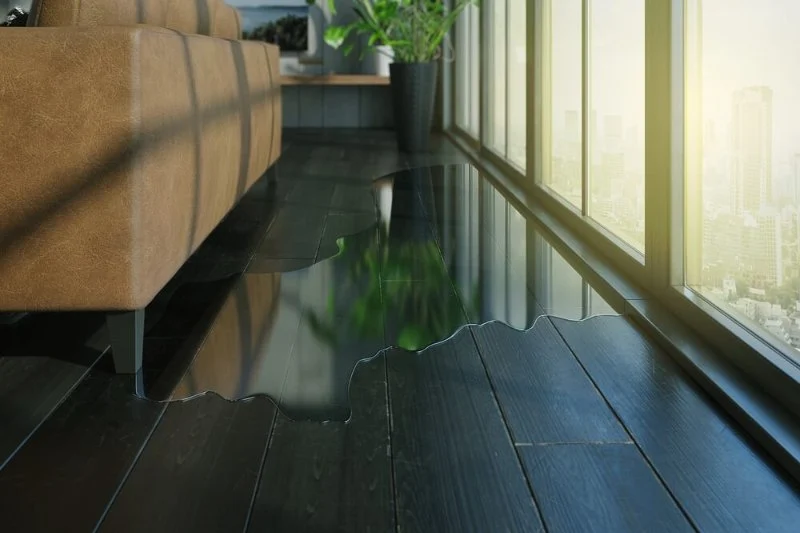
Water Damage Restoration for Hotels and Hospitality Spaces
- 1-Water Damage Restoration for Hotels and Hospitality Spaces
- 2-Understanding Water Damage in Hospitality
- 3-Common Causes of Water Damage in Hotels
- 4-The Restoration Process
- 5-Preventive Measures for Water Damage
- 6-Choosing the Right Restoration Service
1. Water Damage Restoration for Hotels and Hospitality Spaces
Water damage can be one of the most costly and disruptive issues that hotels and hospitality businesses face. Whether it's caused by a leaking roof, burst pipes, or a malfunctioning HVAC system, water damage can affect a wide range of areas within a property, from guest rooms to common areas. The faster water damage is addressed, the less impact it will have on your hotel’s operations and reputation. In this article, we’ll explore how water damage restoration works for hotels and hospitality spaces, and provide tips on how to prevent and manage water damage effectively.
SERVPRO of Pompano Beach / servpro fort lauderdale south
Pompano BeachBroward CountyFlorida
2101 NW 33rd St #200a, Pompano Beach, FL 33069, USA
2. Understanding Water Damage in Hospitality
Water damage in hospitality spaces can range from minor issues like damp spots to major flooding that disrupts operations for days or weeks. It’s essential for hotel owners and managers to understand the risks and types of water damage that can occur, so they can take prompt action when problems arise.
Drip Restoration / valleywide restoration mesa az
932 S Stapley Dr, Mesa, AZ 85204, USA
Types of Water Damage
Water damage is typically classified into three categories:
1. Category 1 – Clean Water
This type of water damage comes from a clean water source, such as a broken water pipe or leaking sink. It’s typically less damaging and easier to treat, as the water does not contain harmful contaminants.
2. Category 2 – Grey Water
Grey water comes from sources like washing machines or dishwashers, and it may contain some contaminants. Although not as dangerous as black water, grey water should still be treated with care.
3. Category 3 – Black Water
This is the most dangerous type of water damage, usually caused by sewage backups or flooding from rivers or oceans. Black water is highly contaminated and can pose significant health risks if not addressed quickly and properly.
3. Common Causes of Water Damage in Hotels
Understanding the common causes of water damage can help hotel owners and managers take preventative measures to protect their properties and minimize the risk of costly repairs.
1. Leaky Roofs
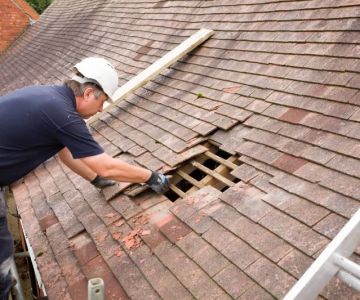
Leaking roofs are one of the most common causes of water damage in hotels. Over time, roof materials can deteriorate, allowing water to seep into the building. Regular roof inspections and timely repairs can help prevent water from entering the building and damaging ceilings, walls, and floors.
2. Plumbing Issues
Hotels often have extensive plumbing systems, which makes them more vulnerable to leaks, burst pipes, and other water-related problems. Faulty pipes, worn-out seals, or blocked drains can all lead to water damage if not addressed promptly.
3. HVAC Malfunctions
Heating, ventilation, and air conditioning (HVAC) systems are essential for maintaining a comfortable environment in hospitality spaces. However, poorly maintained HVAC units can leak water or cause condensation buildup that leads to water damage in guest rooms or common areas.
4. Flooding
Flooding from heavy rain, snowmelt, or nearby rivers can cause extensive water damage to hotels and resorts, particularly those located in flood-prone areas. Installing flood barriers and elevating electrical systems can help protect the property from severe water damage during storms.
4. The Restoration Process
Once water damage occurs, prompt and efficient restoration is crucial. The restoration process generally follows these key steps:
1. Assessment and Inspection
Before beginning any repairs, professionals will conduct a thorough inspection to assess the extent of the water damage. This may involve checking for hidden moisture, inspecting walls, ceilings, and flooring, and determining the category of water damage.
2. Water Extraction
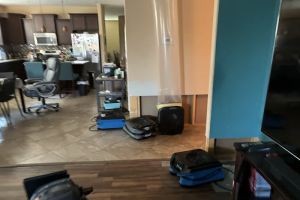
Using specialized equipment such as pumps and vacuums, the restoration team will extract standing water from the affected areas. This step is essential for preventing further damage and mold growth.
3. Drying and Dehumidification
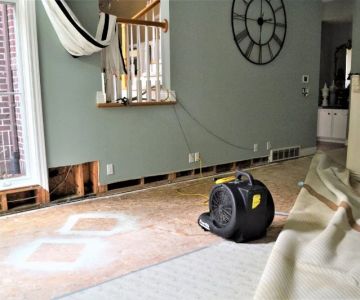
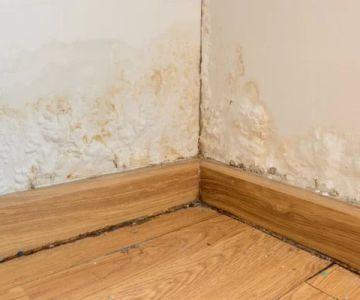
After water removal, the affected areas will be thoroughly dried using industrial fans and dehumidifiers. Proper drying is crucial to prevent mold and mildew growth, which can lead to additional health hazards and costly repairs.
4. Cleaning and Sanitization
Once the space is dry, the restoration team will clean and sanitize the affected areas to remove any contaminants. This step is especially important if the water is categorized as grey or black water.
5. Restoration and Repairs
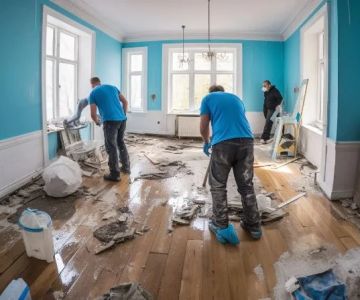
The final step involves repairing any structural damage caused by the water. This can include replacing drywall, fixing plumbing systems, or repairing roofing and flooring. The goal is to return the property to its pre-damage condition.
5. Preventive Measures for Water Damage
Preventing water damage is always better than dealing with the aftermath. Here are a few steps that can help protect hotels and hospitality spaces from water-related issues:
1. Regular Inspections
Schedule regular inspections of the building’s roof, plumbing, HVAC system, and foundation. Catching small issues before they become big problems can save a hotel from costly water damage repairs.
2. Maintain Gutters and Drainage Systems
Clogged gutters and poor drainage can lead to water buildup and leaks. Ensure that gutters are cleaned regularly and that the drainage system is working effectively to direct water away from the building.
3. Install Water Leak Detection Systems
Water leak detection systems can provide early warning signs of leaks, allowing for quick action to prevent damage. These systems are particularly useful in areas with complex plumbing systems.
6. Choosing the Right Restoration Service
When water damage occurs, it’s important to choose a reliable restoration service that can handle the job quickly and efficiently. Look for the following qualities in a restoration service:
1. Experience and Expertise
Choose a restoration company with experience working in commercial spaces, particularly hotels and hospitality environments. They should be familiar with the unique challenges that these spaces face and have the necessary equipment and knowledge to handle large-scale water damage restoration.
2. 24/7 Availability
Water damage can happen at any time, so it’s important to select a service that offers 24/7 availability. Immediate response can make a significant difference in minimizing damage and ensuring a fast recovery.
3. Insurance and Certification
Ensure that the restoration company is properly licensed and insured. This protects both the hotel owner and the service provider in case of unforeseen complications during the restoration process.
In conclusion, water damage restoration is an essential service for hotels and hospitality spaces, and it’s crucial to act quickly to minimize damage and downtime. With proper prevention, timely response, and effective restoration strategies, you can protect your property and maintain the highest standards of guest satisfaction. For more information on water damage restoration services, visit Reliable Damage Hub for the best products and services tailored to your needs.
 Good Roads Water Damage Experts5.0 (1 reviews)
 R&R Foundation Specialist4.0 (305 reviews)
 MJ White4.0 (102 reviews)
 ATI Restoration3.0 (25 reviews)
 Modernistic4.0 (251 reviews)
 ServiceMaster Cleaning Services4.0 (27 reviews)
 Water Damage Restoration for Retail Spaces – Expert Tips and Real Cases
 How to Prevent and Repair Water Damage in Commercial Properties
 How to Protect Your Home’s Electrical System from Water Damage: Essential Tips
 Flooded Basement? Here’s How to Restore It Safely
 How to Handle Water Damage After a Storm: A Step-by-Step Guide
 How to Handle Water Damage from Burst Pipes: A Step-by-Step Guide