Reliable Damage Hub
Reliable Damage HubDamage Repair GuidesWater Damage Restoration Near Me​
AlabamaArizonaCaliforniaColoradoFloridaGeorgiaKansasLouisianaMassachusettsMississippiMissouriNevadaNew MexicoNorth CarolinaOregonRhode IslandSouth CarolinaTennesseeTexasVirginiaWashingtonWest Virginia

Reliable Damage HubDamage Repair Guides

How to Dry Out Water-Damaged Furniture Quickly: Effective Methods for Restoration

How to Dry Out Water-Damaged Furniture Quickly: Effective Methods for Restoration

1. Understanding Water Damage on Furniture

Water damage to furniture can occur in various ways—whether from a burst pipe, flooding, or even a simple spill. The extent of the damage often depends on the type of material, how much exposure it had to water, and how quickly you act to dry it out. Different materials react differently to water, and understanding these reactions is essential in order to prevent further harm.For instance, wooden furniture absorbs water, causing swelling and warping if left untreated. Upholstered furniture can trap moisture within the fabric, leading to mold growth. Leather furniture, while more resistant to water, can still suffer staining and cracking if not dried correctly.The key to preventing permanent damage lies in acting fast. The sooner you start drying out water-damaged furniture, the better the chances of saving it from further deterioration.

2. Immediate Steps to Take When Furniture Gets Wet

When your furniture has been exposed to water, quick action is crucial. Follow these initial steps to minimize the damage:1. Remove the Furniture from the Water Source:If possible, move your furniture away from the water source. Whether it’s a flooded room or a leaking pipe, getting the furniture out of the water as soon as possible prevents further absorption of moisture.2. Disassemble or Detach Parts:For certain furniture pieces, you can remove detachable parts such as cushions, drawers, or legs. This will help speed up the drying process, as these individual parts will dry faster than the entire piece.3. Use Towels to Absorb Excess Water:Immediately use towels to soak up as much excess water as possible. For fabric and upholstered furniture, pressing towels into the fabric will help remove moisture. For wooden furniture, wipe down surfaces to prevent water from seeping further into the material.4. Increase Air Circulation:Open windows and doors to allow fresh air to circulate the room. If the weather permits, move the furniture outdoors to a shaded area for better air circulation. Use fans or a dehumidifier to promote faster drying and reduce humidity in the area.

3. Best Methods for Drying Out Water-Damaged Furniture

Once you’ve taken the initial steps, you’ll need to continue the drying process to restore your furniture. Here are the best methods to dry water-damaged furniture effectively:1. Air Drying (for Non-Delicate Furniture):For wooden furniture and pieces that aren’t overly delicate, air drying is one of the most effective methods. Place the furniture in a well-ventilated area and let air circulate around it. Use fans and a dehumidifier to speed up the drying process.2. Using a Wet/Dry Vacuum:If there’s a significant amount of water trapped in your furniture, especially upholstered pieces, a wet/dry vacuum can help pull out excess moisture. Use the vacuum on the fabric and any crevices to remove water more effectively.3. Using Desiccants (for Wooden Furniture):For wood furniture, placing desiccants such as silica gel or activated charcoal around the furniture can help absorb moisture. These desiccants draw moisture out of the wood, reducing the risk of warping and swelling.4. Heat Drying (for Upholstered Furniture):If your upholstered furniture has been soaked, consider using a blow dryer on a low setting to dry it out. Be cautious not to apply too much heat, as this can damage fabrics. You can also use a fabric steamer to remove trapped moisture from the upholstery.5. Sun Drying (for Outdoor Furniture):If the piece of furniture is suitable for outdoor use, you can place it outside on a dry, sunny day. The sun’s warmth and natural airflow will help dry the furniture more quickly. However, avoid direct sunlight on sensitive materials like leather or fabric, as it could cause fading or cracking.

4. How to Prevent Future Water Damage on Furniture

Preventing water damage to furniture is much easier than dealing with the aftermath. Here are some proactive steps you can take to protect your furniture:1. Use Waterproof Covers:For outdoor furniture or items that are exposed to moisture, using waterproof covers is a great way to protect them from rain and spills. These covers will prevent water from soaking into the materials and causing damage.2. Maintain Proper Drainage:Ensure that water flows away from your furniture by checking for proper drainage in areas like kitchens, bathrooms, and basements. Leaky pipes or improper drainage can lead to water pooling near furniture, so it’s important to fix these issues promptly.3. Install Water Sensors:Water sensors are available for both commercial and home use and can detect moisture before it causes significant damage. Installing them under furniture, near pipes, or in areas prone to flooding can help you catch issues before they worsen.4. Avoid Spills and Immediate Cleanup:Spills can happen at any time, but the key to preventing long-term damage is to clean them up immediately. For spills on upholstered furniture, blot the area with a dry towel and allow it to dry naturally.

5. When to Seek Professional Help for Water-Damaged Furniture
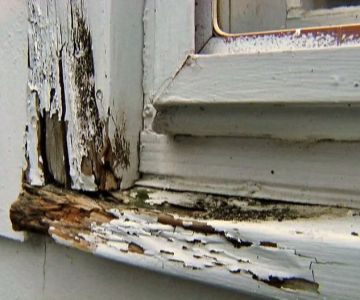
While DIY drying techniques can be effective for minor water damage, there are times when it’s best to call in professionals. Consider seeking professional help if:The furniture is made of delicate materials like antique wood, leather, or silk, which require specialized care.The water damage is severe, and the furniture is beyond what can be salvaged with at-home methods.There is mold or mildew growth on the furniture that cannot be eliminated with standard cleaning methods.Professional restoration services can assess the extent of the damage and provide the right treatments to restore your furniture to its original condition.

Conclusion

Water damage to furniture can be frustrating, but with the right steps, you can minimize the damage and restore your furniture to its former glory. By acting quickly, using the correct drying methods, and taking preventive measures, you can protect your furniture and prolong its lifespan.If you're unsure about handling water-damaged furniture on your own, or if the damage is extensive, don’t hesitate to reach out to the experts at Reliable Damage Hub. We offer products, services, and expert advice to help you handle and restore water-damaged items effectively.

Popular Blog Posts

Categories

Top Visited Sites

Top Water Damage Restoration​ Searches

Trending Damage Repair Guides Posts