
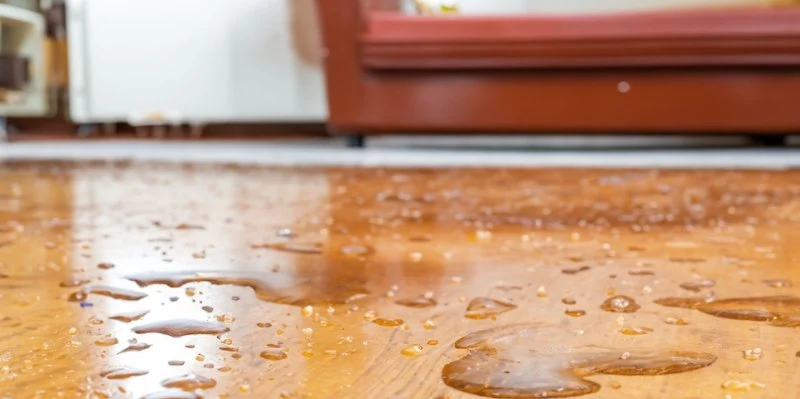
1- Why Water Damage Prevention Is Crucial for Your Home
Water damage can be one of the most costly and damaging issues a homeowner faces. It can lead to mold growth, structural problems, and a variety of other complications. Preventing water damage before it occurs is the best way to protect your home. Using the right materials can make all the difference in ensuring your home stays dry and safe, particularly in areas prone to moisture such as basements, bathrooms, and kitchens. By investing in the best materials for water damage prevention, you can avoid expensive repairs and maintain the integrity of your home.
Giants / dry kings restoration of san francisco
San FranciscoSan Francisco CountyCalifornia
685 Geary Blvd, San Francisco, CA 94102, USA
2- The Top Materials for Water Damage Prevention
There are several materials available to help prevent water damage. Some are more effective for specific areas of the home, while others are versatile and can be used throughout. Let’s explore the best materials for preventing water damage in your home:

Kustom US Restoration / kustom restoration
1215 W Houston Ave Suite A, Gilbert, AZ 85233, USA
2.1- Waterproof Flooring Options
Flooring is one of the most vulnerable areas in your home when it comes to water damage. There are a few materials that stand out for their water-resistant properties:
2.1.1- Vinyl Flooring
Vinyl flooring is a popular choice for water damage prevention. It is 100% waterproof, easy to clean, and highly durable. It’s ideal for areas like kitchens, bathrooms, and basements. Vinyl is available in a variety of styles and can mimic the appearance of wood, stone, or tile, making it a versatile and attractive option for homeowners.
2.1.2- Ceramic and Porcelain Tiles
Ceramic and porcelain tiles are great for water damage prevention in areas with high moisture exposure. They are completely waterproof and resistant to stains and mildew. Tiles also offer excellent durability and are easy to maintain, making them ideal for kitchens, bathrooms, and entryways.
2.1.3- Waterproof Laminate Flooring
Laminate flooring has long been a popular option due to its affordability and appearance. Modern waterproof laminate options are now available, which offer all the aesthetic benefits of traditional laminate with the added benefit of water resistance. This makes it a great choice for living rooms, hallways, and dining areas.
2.2- Water-Resistant Wall Materials
Walls are another area that requires water-resistant materials, particularly in bathrooms, kitchens, and basements. Here are some materials that can help protect your walls from water damage:
2.2.1- Moisture-Resistant Drywall
Moisture-resistant drywall, also known as green board or purple board, is designed to withstand high humidity and moisture exposure. It’s an ideal material for bathrooms, kitchens, and basements. While it’s not completely waterproof, it resists mold and mildew growth, which helps prevent water-related damage over time.
2.2.2- Tile and Stone Walls
Tile and stone are excellent water-resistant options for walls. They are completely impermeable to water, making them perfect for areas like shower stalls or around kitchen sinks. Tiles and stones also have the added benefit of being easy to clean and maintain, making them a long-lasting solution for water protection.
2.3- Waterproof Roofing Materials
Your roof is your home’s first line of defense against water damage. Using the right roofing materials is crucial to prevent leaks and protect the structure of your home. Here are the best options for waterproofing your roof:
2.3.1- Asphalt Shingles with Waterproof Underlayment
Asphalt shingles are one of the most common roofing materials in the U.S., and when combined with a waterproof underlayment, they offer excellent protection against water damage. The underlayment acts as an extra barrier to prevent water from seeping through the shingles and into the roof structure.
2.3.2- Metal Roofing
Metal roofing is another highly durable and waterproof material. Metal roofs are resistant to rain, snow, and ice, and they provide superior protection against water damage. They are also long-lasting and low maintenance, making them a great investment for homeowners looking to prevent water damage.
2.3.3- Synthetic Roofing Materials
Synthetic roofing materials, such as synthetic slate or rubber roofing, are designed to mimic the appearance of traditional roofing materials but offer better water resistance. These materials are lightweight, durable, and highly effective at preventing leaks and water damage.
2.4- Waterproofing Paint and Sealants
Waterproofing paints and sealants are essential for protecting surfaces in areas prone to moisture. These materials create an impermeable barrier that prevents water from seeping into floors, walls, and foundations. Waterproof paint is commonly used in basements and exterior walls, while sealants can be used to protect wood, concrete, and stone surfaces.
3- Preventing Water Damage with Proper Maintenance
In addition to using the best materials for water damage prevention, regular maintenance is crucial in protecting your home from leaks and moisture. Here are some essential maintenance tasks:
3.1- Inspect and Clean Gutters Regularly
Clogged gutters can cause water to overflow and seep into your home’s foundation, leading to significant water damage. Regularly inspect and clean your gutters to ensure that rainwater flows away from your home and doesn’t cause damage to your roof or walls.
3.2- Fix Leaks Immediately
Small leaks in pipes, roofs, or windows can lead to significant water damage if left unattended. If you notice any leaks, take immediate action to repair them. Regularly inspect your plumbing system for signs of leaks, especially in areas like the basement, attic, and bathroom.
3.3- Install a Dehumidifier in Moist Areas
If you live in a humid climate or have a basement, consider installing a dehumidifier to control moisture levels in the air. Dehumidifiers help prevent the growth of mold and mildew, which can damage your home’s surfaces and contribute to water damage.
4- Where to Find the Best Materials for Water Damage Prevention
If you're looking to purchase materials for water damage prevention in your home, visit Reliable Damage Hub for a wide selection of top-rated products. From waterproof flooring and moisture-resistant drywall to roofing materials and sealants, we have everything you need to protect your home from water damage and ensure its longevity.
 Kreunen Construction & Restoration, LLC4.0 (97 reviews)
 ASAP EVAP Restoration4.0 (122 reviews)
 Priceless Painting Plus5.0 (42 reviews)
 Steamatic3.0 (16 reviews)
 Blue Restoration Services5.0 (54 reviews)
 NEKO5.0 (2 reviews)
 How to Manage Water Damage Restoration in Commercial Kitchens
 The Role of Dehumidifiers in Water Damage Restoration
 How to Handle Water Damage from Broken Sump Pumps
 How to Restore Water-Damaged Electronics Safely
 Water Damage Restoration for Commercial Offices: Protecting Business Continuity
 Water Damage Repair for Hardwood Stairs: A Complete Guide