
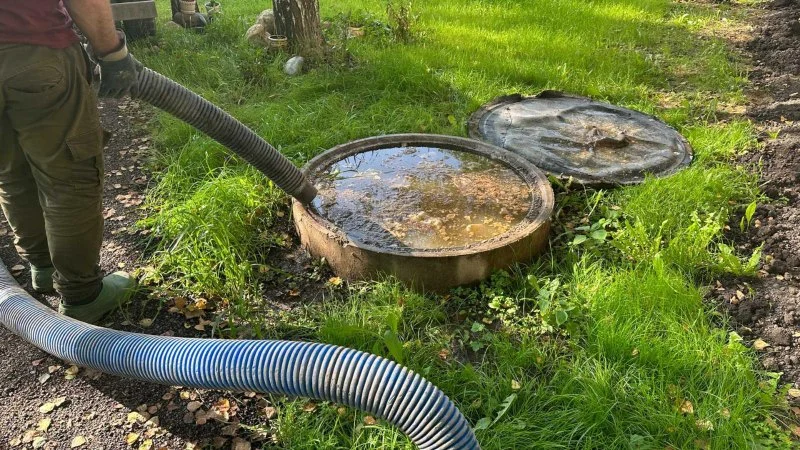
- Understanding Water Damage from Sewer Backups
- Common Causes of Sewer Backups
- Immediate Steps to Take After a Sewer Backup
- How to Safely Clean and Disinfect Your Home
- When to Call Professional Restoration Services
- Real-Life Examples of Sewer Backup Damage
- Preventive Measures to Avoid Future Sewer Backups
- Find Trusted Water Damage Experts at Reliable Damage Hub
1. Understanding Water Damage from Sewer Backups
Dealing with water damage from sewer backups is one of the most unpleasant and hazardous challenges a homeowner can face. When wastewater overflows into your property, it’s not just a mess — it’s a serious health hazard. The water from sewer lines often contains bacteria, viruses, and harmful contaminants that can cause severe illnesses and long-term property damage if not handled correctly.
Understanding how sewer backups occur and knowing what to do immediately can significantly reduce both the health risks and repair costs. Homeowners must act fast, as contaminated water can spread quickly, soaking into walls, flooring, and even the home’s foundation.

Drip Restoration / valleywide restoration mesa az
932 S Stapley Dr, Mesa, AZ 85204, USA
2. Common Causes of Sewer Backups
Several factors can contribute to a sewer backup, and most of them stem from gradual system wear or preventable blockages. One of the most common culprits is clogged sewer lines caused by grease, wipes, or debris buildup. Tree roots can also penetrate pipes, creating blockages that restrict flow and eventually lead to a backup.
Heavy rainfall or flooding can overwhelm municipal sewer systems, pushing contaminated water back into residential lines. In older homes, outdated or damaged plumbing infrastructure is another common cause. Recognizing these potential issues early allows for proactive maintenance before disaster strikes.

Kustom US Restoration / kustom restoration
1215 W Houston Ave Suite A, Gilbert, AZ 85233, USA
3. Immediate Steps to Take After a Sewer Backup
When facing a sewer backup, the first step is safety. Do not touch or attempt to clean the contaminated water without proper protection. Evacuate pets and children from the affected area immediately. Next, shut off the electrical supply to avoid electrocution hazards, especially if the water level is high.
If the backup is limited to one drain or fixture, stop using all plumbing in the home to prevent additional overflow. Contact your local utility or a professional plumber to locate and address the source of the blockage. The faster the source is identified and contained, the easier it will be to restore your home to safety.
4. How to Safely Clean and Disinfect Your Home
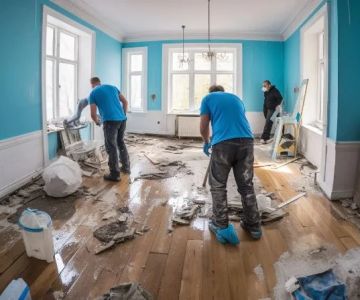
Cleaning after sewer-related water damage requires specialized care. Begin by removing any standing water using pumps or wet vacuums rated for biohazard use. All affected materials such as carpets, drywall, and insulation that cannot be thoroughly disinfected should be disposed of immediately.
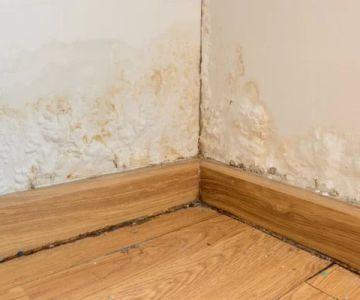
Next, disinfect the area using a solution of bleach and water (1 cup bleach per gallon of water). Be sure to wear protective gloves, boots, and masks during the process to minimize exposure to contaminants. Once cleaned, the area must be thoroughly dried with industrial fans and dehumidifiers to prevent mold growth, which can develop within 24–48 hours after the incident.
If the contamination is extensive, it’s safer to call professionals who specialize in biohazard cleanup to ensure complete sanitation and odor removal.
5. When to Call Professional Restoration Services
While small spills may be manageable, extensive water damage from sewer backups requires professional restoration. Certified restoration experts use advanced equipment to safely extract water, remove contaminated materials, and sanitize your home. They can also inspect for hidden moisture that could lead to structural issues or mold infestations.
Professional restoration companies not only handle cleanup but also help with insurance documentation — an often-overlooked step that can significantly impact reimbursement. Acting quickly and hiring experienced professionals ensures your home’s safety and your family’s health.
6. Real-Life Examples of Sewer Backup Damage
Consider the case of a homeowner in Chicago whose basement flooded after heavy rain overwhelmed the city’s drainage system. Within hours, contaminated water damaged flooring, furniture, and appliances. Because the cleanup was delayed by just two days, mold spread across the basement walls, doubling the restoration cost.
Another example comes from a Texas resident who ignored recurring slow drains for months. Eventually, a complete backup occurred, forcing raw sewage into the bathroom and kitchen areas. The lesson? Early intervention and professional inspection can prevent costly disasters and protect your health.
7. Preventive Measures to Avoid Future Sewer Backups
Prevention is always more affordable than restoration. Schedule annual plumbing inspections to detect early signs of damage or blockage. Install a backwater valve—a device that prevents sewage from flowing backward into your home during heavy rainfall. Avoid flushing wipes, grease, or non-degradable materials, as they are the most common cause of pipe blockages.
For older homes, consider replacing outdated clay or cast-iron pipes with PVC, which is more resistant to root intrusion and corrosion. Keeping gutters and drainage systems clear of debris also helps reduce pressure on your main sewer line during storms.
8. Find Trusted Water Damage Experts at Reliable Damage Hub
When facing serious water damage from sewer backups, turn to Reliable Damage Hub to find trusted professionals and resources tailored to your needs. From licensed restoration experts to high-quality cleaning supplies and maintenance advice, Reliable Damage Hub connects homeowners with the best tools and services to restore their homes safely and efficiently. Protect your home, your health, and your peace of mind by partnering with experts who understand the urgency and complexity of water damage recovery.
 Good Roads Water Damage Experts5.0 (1 reviews)
 R&R Foundation Specialist4.0 (305 reviews)
 MJ White4.0 (102 reviews)
 ATI Restoration3.0 (25 reviews)
 Modernistic4.0 (251 reviews)
 ServiceMaster Cleaning Services4.0 (27 reviews)
 Water Damage Restoration for Retail Spaces – Expert Tips and Real Cases
 How to Prevent and Repair Water Damage in Commercial Properties
 How to Protect Your Home’s Electrical System from Water Damage: Essential Tips
 Flooded Basement? Here’s How to Restore It Safely
 How to Handle Water Damage After a Storm: A Step-by-Step Guide
 How to Handle Water Damage from Burst Pipes: A Step-by-Step Guide