
- 1. Understanding Water Damage and Its Environmental Impact
- 2. Environmental Effects of Water Damage and Restoration
- 3. Eco-Friendly Water Damage Restoration Options
- 4. Reducing the Environmental Impact During Restoration
- 5. Real-Life Case Study: Environmental Effects of Water Damage
1. Understanding Water Damage and Its Environmental Impact
Water damage can occur in many ways, from heavy rainfall and floods to plumbing failures and leaking roofs. While water damage poses immediate threats to a home’s structural integrity and personal belongings, it also has significant long-term environmental consequences. The restoration process can exacerbate these effects if not managed carefully. Understanding both the direct and indirect environmental impacts of water damage is crucial for homeowners and restoration professionals alike.
Water damage can lead to issues like mold growth, degradation of building materials, and the loss of valuable resources. The water extraction and restoration process also requires energy, water, and sometimes harmful chemicals, all of which contribute to the environmental footprint of the repair work.
SERVPRO of Pompano Beach / servpro fort lauderdale south
Pompano BeachBroward CountyFlorida
2101 NW 33rd St #200a, Pompano Beach, FL 33069, USA
2. Environmental Effects of Water Damage and Restoration
The environmental effects of water damage and restoration are multi-faceted, touching on both immediate and long-term concerns. Let’s break down the major environmental impacts associated with water damage:
- Water Waste: One of the primary environmental concerns with water damage is the sheer volume of water involved. In cases of flooding or plumbing issues, water can seep into the ground or evaporate, wasting a significant amount of a precious resource. Additionally, during restoration, more water may be used to clean and dehumidify the space.
- Energy Consumption: Water damage restoration often requires the use of high-powered equipment such as pumps, air movers, and dehumidifiers. These devices consume a lot of electricity, leading to an increased carbon footprint. If not handled efficiently, this process can contribute to unnecessary energy waste.
- Chemical Use: Some water damage restoration techniques involve the use of chemical disinfectants and mold remediation treatments. These chemicals can be harmful to both human health and the environment if not disposed of properly. Additionally, they can leach into the soil or water, contributing to environmental contamination.
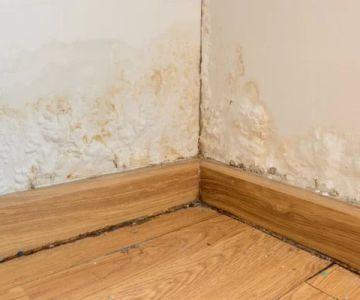
- Mold Growth: Water damage, if not addressed quickly and properly, can lead to mold growth. Mold releases spores into the air that can spread rapidly and affect indoor air quality, which has long-term environmental and health implications. Mold removal and prevention require the use of specialized chemicals and equipment, further impacting the environment.
3. Eco-Friendly Water Damage Restoration Options
As awareness of the environmental impact of water damage restoration grows, many professionals are turning to more sustainable and eco-friendly methods to mitigate these effects. Some of the best options for eco-friendly water damage restoration include:
- Green Cleaning Products: Using non-toxic, biodegradable cleaning products for water extraction and mold remediation can significantly reduce the environmental impact. These products are just as effective as traditional chemicals but are safer for both the environment and the people in the home.
- Energy-Efficient Equipment: Modern restoration companies use energy-efficient pumps, dehumidifiers, and air movers to reduce electricity consumption. These devices use less power while still performing the job effectively, helping to minimize the restoration process’s carbon footprint.
- Water Recycling Systems: Some water damage restoration services utilize water recycling systems that allow them to reuse extracted water for cleaning and other purposes. This minimizes the amount of water that goes to waste during the restoration process.
- Dehumidification Technology: Using advanced dehumidification technologies that use less energy and produce fewer emissions helps reduce the overall environmental impact. These systems also work faster, which shortens the restoration time and energy use.
4. Reducing the Environmental Impact During Restoration
Homeowners can take steps to reduce the environmental impact of water damage restoration by working with reputable companies that prioritize sustainability. Here are some tips for reducing your environmental impact during the restoration process:
- Choose Eco-Conscious Restoration Companies: Look for restoration companies that use green cleaning products, energy-efficient equipment, and water-saving practices. Ask about their sustainability practices before hiring them to ensure they align with your values.
- Opt for Sustainable Materials: If restoration involves replacing materials like drywall, insulation, or flooring, choose eco-friendly options like recycled materials or sustainable wood products.
- Monitor the Use of Chemicals: Ensure that any chemicals used for mold remediation or cleaning are non-toxic and safe for the environment. Proper disposal of these chemicals is crucial to prevent them from contaminating local water supplies.
5. Real-Life Case Study: Environmental Effects of Water Damage
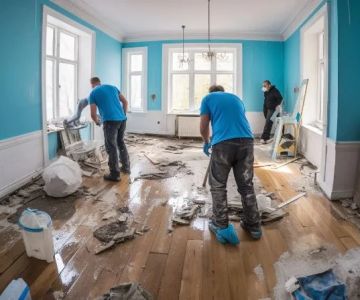
Consider the case of a family in the Northeast United States whose basement flooded after a heavy storm. The floodwaters caused extensive damage to the home’s insulation, flooring, and furniture. However, the environmental effects of the damage were significant, with mold beginning to form and hazardous chemicals being released into the environment from damaged materials.
The homeowners contacted a water damage restoration company that emphasized eco-friendly practices. The company used green cleaning products, energy-efficient dehumidifiers, and properly disposed of harmful chemicals. By recycling some of the materials and opting for low-impact solutions, the family was able to restore their home with minimal environmental damage.
This case highlights the importance of making environmentally conscious decisions during the restoration process. It shows how taking the time to choose eco-friendly methods can prevent further environmental harm while still ensuring effective repairs.
For expert advice on environmentally responsible water damage restoration, visit Reliable Damage Hub, where you can find the best products and services for sustainable home repairs.
 Good Roads Water Damage Experts5.0 (1 reviews)
 R&R Foundation Specialist4.0 (305 reviews)
 MJ White4.0 (102 reviews)
 ATI Restoration3.0 (25 reviews)
 Modernistic4.0 (251 reviews)
 ServiceMaster Cleaning Services4.0 (27 reviews)
 Water Damage Restoration for Retail Spaces – Expert Tips and Real Cases
 How to Prevent and Repair Water Damage in Commercial Properties
 How to Protect Your Home’s Electrical System from Water Damage: Essential Tips
 Flooded Basement? Here’s How to Restore It Safely
 How to Handle Water Damage After a Storm: A Step-by-Step Guide
 How to Handle Water Damage from Burst Pipes: A Step-by-Step Guide