
- 1 - Understanding water damage in retail spaces
- 2 - Immediate actions to take after water damage
- 3 - The professional water damage restoration process
- 4 - How water damage affects retail business operations
- 5 - Real case studies of water damage restoration in retail spaces
- 6 - Preventative strategies for reducing water damage risks
- 7 - Trusted services and resources for retail space restoration
1 - Understanding water damage in retail spaces
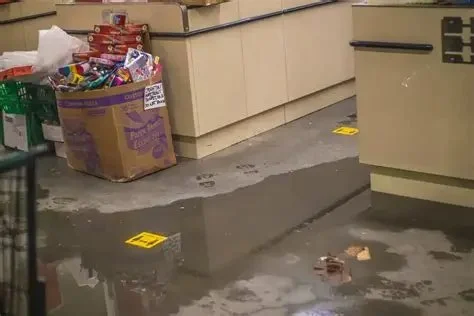
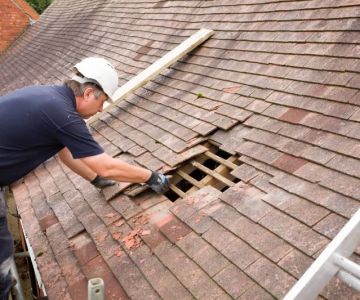
Water damage is one of the most disruptive issues retail businesses can face. From burst pipes to roof leaks and flooding caused by storms, the impact can be devastating. Unlike residential spaces, retail spaces face higher stakes because downtime directly affects customer flow and revenue. Understanding how water damage occurs is the first step in protecting your investment. Retail spaces often contain expensive inventory, delicate electrical systems, and customer-facing areas that can be easily compromised if water intrusion isn’t handled quickly.
SERVPRO of Pompano Beach / servpro fort lauderdale south
Pompano BeachBroward CountyFlorida
2101 NW 33rd St #200a, Pompano Beach, FL 33069, USA
2 - Immediate actions to take after water damage
When water damage occurs, timing is critical. The first step is to ensure safety by shutting off electricity in affected areas and evacuating staff and customers if necessary. Next, identify the water source—whether it’s a plumbing failure or storm-related flooding—and stop it if possible. Retail managers should also document the damage with photos and videos, as this will be essential for insurance claims. While waiting for professionals, removing standing water with wet vacuums or pumps can prevent further damage, but care must be taken not to cause additional hazards.

Wizard Restorations Inc / puroclean of san fernando
Rancho CucamongaSan Bernardino CountyCalifornia
10245 8th St, Rancho Cucamonga, CA 91730, USA
3 - The professional water damage restoration process
Water damage restoration involves multiple stages to ensure retail spaces return to safe and functional conditions:
3.1 - Water extraction and drying
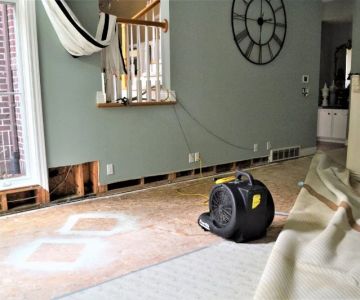
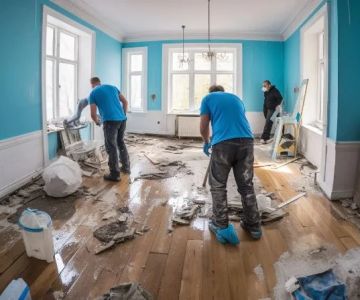
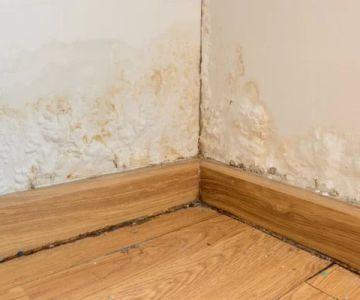
Specialized equipment like industrial pumps and dehumidifiers are used to remove standing water and moisture from walls, flooring, and ceilings. This step prevents mold growth, which can appear within 24–48 hours.
3.2 - Cleaning and sanitization
Floodwater often carries contaminants. Professional teams use antimicrobial treatments to sanitize surfaces and prevent bacterial growth, ensuring the space is safe for customers and employees.
3.3 - Structural repairs
Damaged drywall, flooring, or electrical systems must be repaired or replaced. Contractors focus on restoring both functionality and aesthetics so businesses can resume operations as quickly as possible.
3.4 - Final inspection and clearance
After repairs, a thorough inspection ensures the space is structurally sound and free of hazards before reopening to customers.
4 - How water damage affects retail business operations
Water damage goes beyond physical repairs—it affects customer trust and brand reputation. A closed store means lost sales, while visible damage like warped floors or a musty odor can deter customers even after reopening. For example, a clothing retailer in New York faced weeks of lost revenue after a sprinkler malfunction flooded their shop. Although repairs were completed, the delay in reopening caused a significant dip in customer loyalty. Acting quickly and working with professional restoration teams minimizes downtime and protects long-term business success.
5 - Real case studies of water damage restoration in retail spaces
A grocery store in Texas experienced major flooding during a storm that damaged refrigeration units and stock. By engaging a restoration team immediately, they were able to reopen within five days, saving both perishable goods and customer trust. Another example comes from a boutique in California, where a burst pipe ruined flooring and displays. Thanks to fast documentation and professional restoration, they secured full insurance coverage and completed repairs within two weeks. These real-life cases demonstrate the importance of prompt response and expert intervention.
6 - Preventative strategies for reducing water damage risks
Retail owners can take proactive measures to reduce risks:
6.1 - Regular maintenance
Inspect plumbing, roofing, and drainage systems regularly to identify weak points before they fail.
6.2 - Install water detection systems
Smart water sensors alert managers of leaks early, preventing major damage before it spreads.
6.3 - Emergency response planning
Having a clear protocol for staff to follow in case of water damage ensures faster response and safety.
7 - Trusted services and resources for retail space restoration
Finding reliable restoration professionals is critical to recovery. Retailers who want to avoid guesswork can rely on platforms like Reliable Damage Hub, which connects businesses with vetted contractors, equipment suppliers, and recovery services. With expert guidance and trusted resources, retail owners can ensure their spaces are restored efficiently, minimizing both costs and downtime.
 Good Roads Water Damage Experts5.0 (1 reviews)
 R&R Foundation Specialist4.0 (305 reviews)
 MJ White4.0 (102 reviews)
 ATI Restoration3.0 (25 reviews)
 Modernistic4.0 (251 reviews)
 ServiceMaster Cleaning Services4.0 (27 reviews)
 Water Damage Restoration for Retail Spaces – Expert Tips and Real Cases
 How to Prevent and Repair Water Damage in Commercial Properties
 How to Protect Your Home’s Electrical System from Water Damage: Essential Tips
 Flooded Basement? Here’s How to Restore It Safely
 How to Handle Water Damage After a Storm: A Step-by-Step Guide
 How to Handle Water Damage from Burst Pipes: A Step-by-Step Guide