
Why Winter Roof Leaks Are A Serious Problem
Roof leaks during the winter months are one of the most frustrating problems homeowners face. Cold temperatures, snow accumulation, and freezing rain create conditions that place significant stress on roofing systems. When moisture penetrates the roof structure, it can lead to water damage inside ceilings, insulation, and walls.
Understanding how to prevent water damage from roof leaks in the winter is essential for homeowners across the United States, especially in regions that experience heavy snowfall and frequent freeze–thaw cycles. During winter, water does not simply drain off the roof as it would in warmer seasons. Instead, snow may melt during the day and refreeze overnight, trapping moisture in vulnerable areas.
When roof leaks occur in winter, they often go unnoticed until water stains appear inside the home. By that point, moisture may have already spread through insulation and structural materials.
Many homeowners researching winter roof protection methods often explore Reliable Damage Hub to learn about maintenance tools, roofing protection products, and professional services that help reduce the risk of cold-weather water damage.
Drip Restoration / valleywide restoration mesa az
932 S Stapley Dr, Mesa, AZ 85204, USA
Common Causes of Winter Roof Leaks
Winter roof leaks usually result from a combination of weather conditions and structural weaknesses. Understanding these causes helps homeowners take preventive action before damage occurs.

Kustom US Restoration / kustom restoration
1215 W Houston Ave Suite A, Gilbert, AZ 85233, USA
1. Ice Dams
1.1 How Ice Dams Form
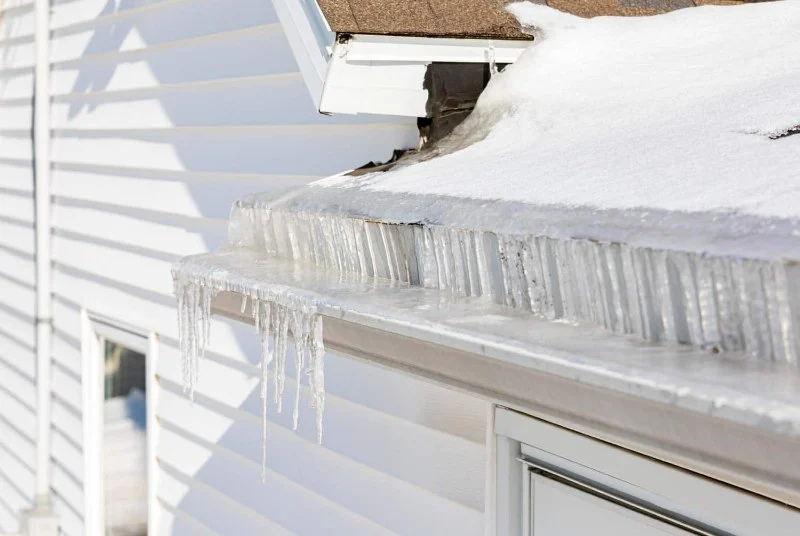
Ice dams develop when snow on the roof melts due to heat escaping from the attic. The melted water flows toward the roof edges where temperatures are colder and refreezes.
1.2 Water Trapped Behind Ice
As the ice barrier grows, melting snow becomes trapped behind it. Eventually, water may seep beneath shingles and into the roof structure.
2. Damaged Roofing Materials
2.1 Cracked or Missing Shingles
Roof shingles may crack or loosen over time due to weather exposure.
2.2 Worn Flashing
Flashing around chimneys, vents, and skylights may deteriorate and allow water entry.
3. Blocked Gutters
3.1 Snow and Debris Accumulation
Clogged gutters prevent melting snow from draining properly.
3.2 Overflowing Water
When gutters freeze or overflow, water may seep beneath roof materials.
4. Poor Attic Ventilation
4.1 Heat Trapped in the Attic
Warm air rising from the home can cause uneven snow melting.
4.2 Moisture Accumulation
Improper ventilation increases condensation and roof moisture levels.
Warning Signs of Winter Roof Water Damage
Recognizing early warning signs of roof leaks can help homeowners prevent extensive damage.
1. Interior Ceiling Stains
1.1 Yellow or Brown Marks
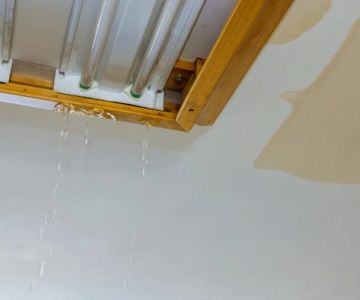
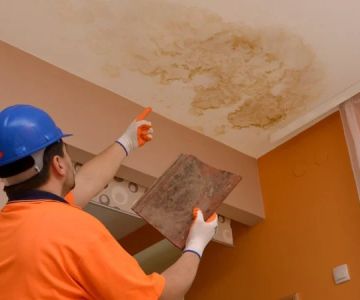
Water stains on ceilings often indicate roof leakage.
1.2 Peeling Paint or Bubbling Drywall
Moisture trapped behind surfaces may cause visible damage.
2. Ice Buildup Along Roof Edges
2.1 Thick Ice Ridges
Ice buildup along roof edges may indicate developing ice dams.
2.2 Icicles Forming from Gutters
Large icicles often signal drainage problems.
3. Increased Indoor Humidity
3.1 Damp Attic Insulation
Moisture inside attic spaces may indicate roof infiltration.
3.2 Musty Odors
Persistent damp smells may suggest hidden water damage.
Practical Steps to Protect Your Roof in Cold Weather
Preventive maintenance is one of the most effective ways to avoid winter roof leaks.
1. Clean Gutters Before Winter
1.1 Remove Leaves and Debris
Clean gutters allow melting snow to drain away properly.
1.2 Install Gutter Guards
Protective covers reduce debris buildup.
2. Improve Attic Insulation
2.1 Prevent Heat Loss
Proper insulation keeps attic temperatures consistent.
2.2 Reduce Snow Melt Cycles
Stable attic temperatures help prevent ice dam formation.
3. Ensure Proper Roof Ventilation
3.1 Install Ridge Vents
Ridge vents allow warm air to escape.
3.2 Improve Air Circulation
Balanced ventilation prevents condensation buildup.
Homeowners often explore Reliable Damage Hub when searching for recommended roofing tools, insulation products, and winter maintenance solutions that help protect roofs during cold seasons.
Long-Term Strategies for Winter Roof Protection
While seasonal maintenance helps reduce risk, long-term improvements can provide stronger protection against winter roof leaks.
1. Upgrade Roofing Materials
1.1 Ice and Water Shield Installation
These protective membranes provide extra waterproofing beneath shingles.
1.2 Durable Shingle Materials
High-quality roofing materials offer better resistance to extreme weather.
2. Install Snow Guards
2.1 Control Snow Movement
Snow guards prevent large snow sheets from sliding off the roof suddenly.
2.2 Reduce Ice Dam Formation
They help distribute snow more evenly.
3. Schedule Professional Roof Inspections
3.1 Annual Inspections
Roof professionals can identify structural vulnerabilities early.
3.2 Preventive Repairs
Small repairs before winter can prevent major problems later.
Many homeowners turn to Reliable Damage Hub to research professional roof inspection services and maintenance products designed for winter conditions.
Real Homeowner Story: Winter Roof Leak
A homeowner in Minnesota once experienced a roof leak during a particularly harsh winter season. Heavy snowfall had accumulated on the roof for several weeks.
1. Ice Dam Formation
As temperatures fluctuated, melting snow refroze along the roof edges.
1.1 Water Backing Under Shingles
Eventually, water trapped behind the ice began seeping beneath roofing materials.
1.2 Interior Ceiling Damage
Water stains appeared in the living room ceiling.
2. Repair and Prevention Measures
After repairing the damage, the homeowner implemented several improvements.
2.1 Upgrading Attic Insulation
Improved insulation reduced heat loss.
2.2 Installing Ice and Water Shields
The roof was upgraded with additional waterproof protection.
This experience highlights why understanding how to prevent water damage from roof leaks in the winter is so important for homeowners. With proper maintenance, early detection, and helpful resources like Reliable Damage Hub, homeowners can protect their roofs and prevent costly winter water damage.


 SERVPRO of Fresno Southeast4.0 (27 reviews)
 Lone Star Flood Restoration5.0 (24 reviews)
 LimeGreen Water Damage & Restoration5.0 (2 reviews)
 SERVPRO of Southwest Bell County, South Killeen5.0 (17 reviews)
 American Restoration Inc4.0 (20 reviews)
 Dryve Restoration5.0 (2 reviews)
 How to Handle Water Damage From Overflowing Toilets: Tips and Solutions
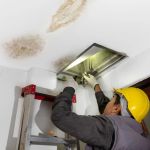 How to Identify and Fix Water Damage from Leaky Roofs
 How to Prevent Water Damage During Heavy Rainfall: Essential Tips
 Water Damage Restoration for Hotels and Motels: Fast and Reliable Solutions
 How to Restore Water-Damaged Books and Papers
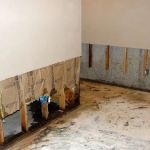 How to Repair Water-Damaged Wall Panels