
- 1 - Immediate Actions to Take After Water Damage
- 2 - Drying and Preserving Water-Damaged Photos
- 3 - Restoring Important Papers Effectively
- 4 - Advanced Restoration Techniques and Tools
- 5 - Preventing Future Water Damage
- 6 - Real-Life Success Stories and Recommendations
1. Immediate Actions to Take After Water Damage
1.1 Assess the Damage Quickly
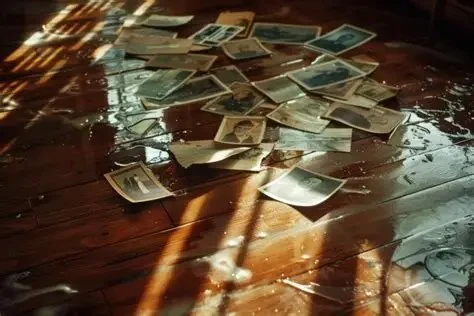
Time is critical when dealing with water-damaged items. Quickly separate photos and documents from the wet environment to prevent further deterioration. Avoid rubbing or wiping them, as this can cause smudging and tearing.
1.2 Remove Excess Water
Gently blot items with a clean, dry cloth or paper towel. For larger amounts of water, lay items flat on a dry surface and use a fan or dehumidifier to reduce moisture levels gradually. Quick intervention can significantly improve the chances of restoring both photos and papers.
2. Drying and Preserving Water-Damaged Photos
2.1 Air Drying for Immediate Results
Place photos on a flat surface in a well-ventilated room. Separate each photo with wax paper or parchment to prevent sticking. Allow them to dry naturally, turning them periodically to avoid curling.
2.2 Freezing for Delicate or Severely Wet Photos
If the photos are extremely wet, freezing can prevent mold growth while you plan proper restoration. Place them in a sealed plastic bag and store them in the freezer. This technique buys time and preserves the integrity of the image until professional restoration can occur.
3. Restoring Important Papers Effectively
3.1 Flattening and Drying Documents
For water-damaged papers, carefully separate sheets to prevent sticking. Place them between absorbent paper towels, and replace the towels frequently until the documents are dry. Use a gentle weight to help flatten them as they dry.
3.2 Ironing and De-Wrinkling Techniques
Once slightly damp papers are partially dried, use a low-heat iron with a cloth barrier to carefully remove wrinkles. This step must be done cautiously to avoid burning or further damage.
4. Advanced Restoration Techniques and Tools
4.1 Professional Chemical Treatments
Specialized solutions can help restore faded or stained photos. Experts use chemical baths to reduce discoloration and enhance the image quality while preserving the original material.
4.2 Digital Restoration Options
Scanning water-damaged photos allows you to digitally repair tears, water stains, and discoloration. Software tools can reconstruct missing sections and restore colors, preserving memories even if physical items are partially damaged.
5. Preventing Future Water Damage
5.1 Proper Storage Techniques
Store photos and important papers in waterproof, airtight containers. Consider climate-controlled storage for high-value items to avoid exposure to humidity and potential flooding.
5.2 Backup and Digitization
Creating digital backups of all essential documents and photographs ensures that even in the event of water damage, you will have secure copies readily available.
6. Real-Life Success Stories and Recommendations
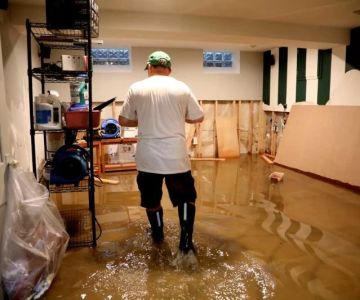
One homeowner shared that after a basement flood, carefully separating and air-drying hundreds of water-soaked photos allowed him to save nearly all cherished memories. Another individual successfully flattened and restored family documents using simple blotting and ironing techniques. For comprehensive guides, specialized tools, and professional recovery services, Reliable Damage Hub offers expert advice and resources to restore water-damaged photos and important papers efficiently and safely.

 ProCare Services, Inc.0.0 (0 reviews)
 Global Restoration Team5.0 (17 reviews)
 All Perils Flood-Fire-Mold Restoration LLC4.0 (8 reviews)
 SERVPRO of Sussex County4.0 (70 reviews)
 Water Damage Restoration Tallahassee0.0 (0 reviews)
 APR Restoration5.0 (6 reviews)
 Comprehensive Guide to Water Damage Repair for Office Ceilings
 How to Handle Water Damage From Roof Flashing Failures
 How to Handle Basement Flooding: Step-by-Step Guide
 Water Damage: How to Choose the Right Materials for Your Restoration Project
 How to Dry Out Water-Damaged Rugs Quickly: Expert Guide
 Mold Prevention After Water Damage: How to Protect Your Home