
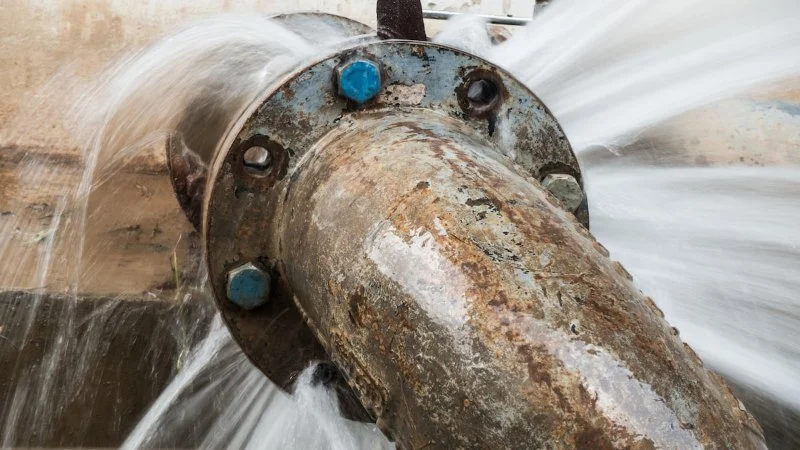
- 1- Initial Steps to Take After a Broken Pipe Burst
- 2- Minimizing Water Damage from a Burst Pipe
- 3- How to Repair Water Damage from a Broken Pipe
- 4- Preventing Future Pipe Bursts and Water Damage
- 5- Our Recommendation: Get Professional Help from Reliable Damage Hub
1. Initial Steps to Take After a Broken Pipe Burst
Dealing with water damage after a broken pipe burst can be overwhelming. However, taking immediate action is critical to minimize the damage and prevent further complications. Here are the first steps you should take:

Wizard Restorations Inc / puroclean of san fernando
Rancho CucamongaSan Bernardino CountyCalifornia
10245 8th St, Rancho Cucamonga, CA 91730, USA
1.1- Turn Off the Water Supply
As soon as you realize that a pipe has burst, the very first thing you need to do is turn off your home's water supply. This will stop more water from flowing into the affected area and prevent further damage. Most homes have a main shut-off valve, often located near the water meter or where the water line enters the house.
Giants / dry kings restoration of san francisco
San FranciscoSan Francisco CountyCalifornia
685 Geary Blvd, San Francisco, CA 94102, USA
1.2- Turn Off the Power
If the burst pipe has flooded areas near electrical outlets or appliances, immediately turn off the power to prevent any electrical hazards. Water and electricity can be a dangerous combination, so ensure that the electrical supply is turned off before you begin cleaning or removing any water.
1.3- Call a Plumber
Once the water supply and power are off, it's time to call a plumber to fix the broken pipe. You need a professional to assess the damage, make repairs, and prevent future issues. A plumber will help identify the exact location of the burst pipe and handle the repair safely and effectively.
2. Minimizing Water Damage from a Burst Pipe
After ensuring that the water supply is off and you've called a plumber, the next step is to minimize the water damage to your home. Here’s how you can do that:
2.1- Remove Standing Water
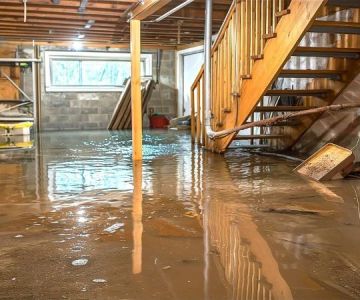
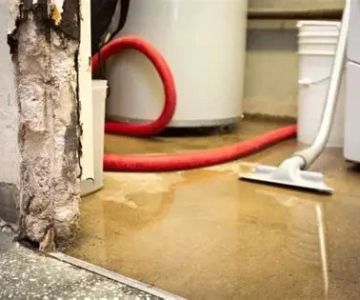
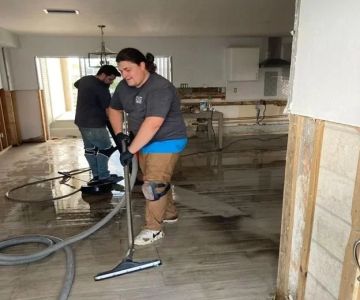
Water that remains in your home can cause significant damage to floors, walls, and furniture. Use a wet-dry vacuum, mop, or towels to remove as much water as possible from the affected areas. The faster you can remove the water, the less damage your home will sustain.
2.2- Dry the Area
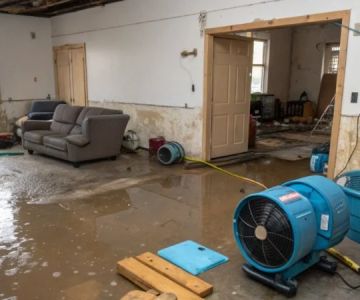
Once the standing water is removed, it's essential to dry the area as thoroughly as possible. Use fans, dehumidifiers, or open windows to increase airflow and help dry the wet areas. Be sure to dry out areas like carpets, drywall, and wooden floors, as these can absorb water and lead to mold and mildew growth.
2.3- Move Furniture and Belongings
If you can, move furniture and other belongings away from the affected area to prevent further damage. Items that are wet should be removed from the area and set out to dry. Items made of wood, electronics, or upholstered furniture may need to be professionally cleaned or repaired.
3. How to Repair Water Damage from a Broken Pipe
Once the immediate threat of water damage has been addressed, it’s time to assess and repair the damage that has already been done. Here's how to handle it:
3.1- Inspect for Water Damage
Carefully inspect the areas affected by the burst pipe. Look for signs of water damage, such as staining, warping, or mold growth on walls, floors, and ceilings. The extent of the damage will determine the type of repairs needed. If the damage is significant, you may need to replace drywall or flooring materials entirely.
3.2- Repair Water-Damaged Structures
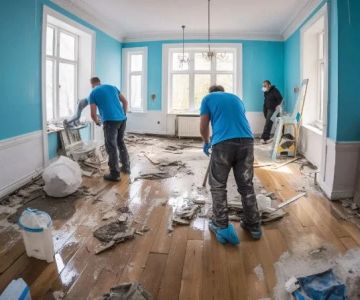
If you have drywall, wood, or insulation that has absorbed water, you will need to replace these materials. Water-damaged insulation should be removed, as it can harbor mold. Wood may need to be sanded and refinished, and drywall may need to be cut out and replaced if it has absorbed too much moisture.
3.3- Prevent Mold Growth
Mold and mildew can begin to grow within 24 to 48 hours after water exposure, so it's essential to act quickly. Use a mold remover or a bleach solution to disinfect areas that are prone to mold growth. Be sure to wear protective gear like gloves and a mask when cleaning mold-affected areas.
4. Preventing Future Pipe Bursts and Water Damage
While it’s essential to repair the immediate water damage, you should also focus on preventing future pipe bursts and water-related damage. Here are some tips to help you avoid future issues:
4.1- Insulate Pipes
In colder climates, pipes are at risk of freezing and bursting during winter months. Insulating pipes, especially those in unheated areas like basements, attics, and crawl spaces, can prevent freezing. Use foam pipe insulation or heating cables to protect vulnerable pipes.
4.2- Maintain Your Plumbing System
Regular plumbing maintenance can help identify potential issues before they become emergencies. Have a professional plumber inspect your system periodically to check for leaks, corrosion, or weak points in your pipes. Early detection can save you from future costly repairs.
4.3- Install a Water Leak Detection System
Consider installing a water leak detection system in your home. These systems can detect leaks early and alert you before they cause significant damage. Many smart home systems now offer water leak sensors that can be placed near pipes, water heaters, and washing machines to help prevent disaster.
5. Our Recommendation: Get Professional Help from Reliable Damage Hub
If you're dealing with water damage from a broken pipe, it’s important to get professional assistance to handle the cleanup and repairs. Visit Reliable Damage Hub to find the best services, equipment, and guidance to help restore your property after water damage. From water removal to mold remediation, we have the resources you need to protect your home and ensure it’s safe from future damage.
 Spicer Painting4.0 (28 reviews)
 Blough's Carpet Cleaning and Restoration5.0 (30 reviews)
 SERVPRO of Mountain View, Los Altos5.0 (123 reviews)
 Rock Wood Services, Inc.5.0 (1 reviews)
 Sure Dry Waterproofing4.0 (21 reviews)
 Steamatic of South Louisiana5.0 (12 reviews)
 How to Safely Remove Standing Water From Your Home
 What Are the Signs of Water Damage That Homeowners Often Miss?
 Why Immediate Action is Crucial for Water Damage Restoration
 How to Restore Water-Damaged Property After a Severe Storm
 Water Damage in Crawl Spaces: Prevention and Repair Strategies for Homeowners
 How to Handle Water Damage Claims With Your Insurance