
- 1. Understanding Roof Flashing Failures and Their Impact
- 2. Common Causes of Roof Flashing Failures
- 3. How to Recognize Water Damage from Flashing Failures
- 4. How to Repair Roof Flashing Failures and Prevent Future Issues
- 5. Preventive Measures to Avoid Roof Flashing Failures
1. Understanding Roof Flashing Failures and Their Impact
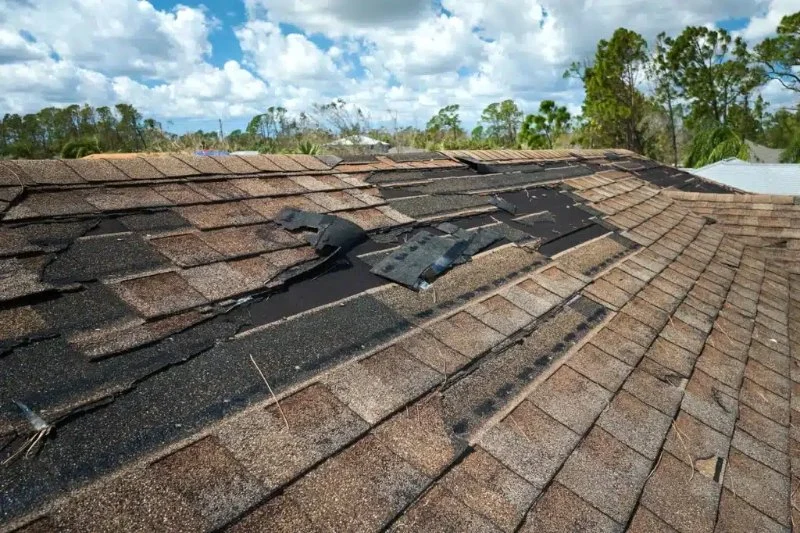
Roof flashing plays a crucial role in directing water away from vulnerable areas of your roof, such as joints, valleys, and around chimneys. However, when roof flashing fails, it can lead to significant water damage inside your home. Flashing failures can occur for several reasons, including poor installation, wear and tear, or even extreme weather conditions. These failures allow water to penetrate your roof, which can lead to leaks, mold, and structural damage if not addressed promptly.
Properly functioning roof flashing is essential for the longevity of your roof and the safety of your home. Ignoring flashing failures can result in costly repairs and even potential safety hazards due to water damage weakening structural elements of your building.

Giants / dry kings restoration of san francisco
San FranciscoSan Francisco CountyCalifornia
685 Geary Blvd, San Francisco, CA 94102, USA
2. Common Causes of Roof Flashing Failures
Roof flashing can fail for a variety of reasons, some of the most common being:
- Improper Installation: If roof flashing is not installed correctly, it can allow water to seep under shingles and into the roofing structure, causing damage over time. This is especially common in older homes or during DIY roof projects.
- Age and Wear: Over time, flashing materials can deteriorate due to exposure to the elements. Metal flashing, for example, can corrode, while asphalt or rubber flashing can crack and break down, leading to leaks.
- Storm Damage: Heavy winds, hail, and other extreme weather conditions can damage roof flashing, displacing it or causing it to become loose, which can allow water to infiltrate.
- Improper Maintenance: Failing to regularly inspect and maintain roof flashing can result in small issues going unnoticed, which eventually lead to more significant damage. Regular roof inspections are crucial to catch any potential issues before they escalate.
3. How to Recognize Water Damage from Flashing Failures
If your roof flashing has failed, it's important to recognize the signs of water damage early to prevent further destruction. Look for the following indicators:
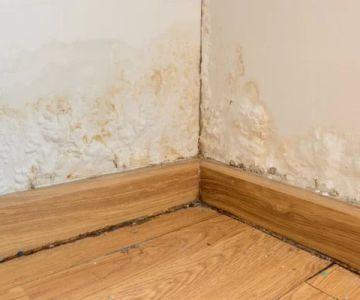
- Water Stains on Ceilings and Walls: Water stains or discoloration on your ceilings or walls are a clear sign that water has seeped through your roof and into your home.
- Mold or Mildew: Mold growth around windows, walls, or ceilings may indicate that water has been pooling in those areas due to roof flashing failure.
- Musty Odor: A persistent musty smell inside your home is a common sign of hidden water damage and mold, particularly in areas near roof flashing.
- Leaks During Rain: If you notice water dripping or leaking inside your home during heavy rain, this is a telltale sign of roof flashing failure. The flashing is no longer diverting water away from your roof's vulnerable areas.
4. How to Repair Roof Flashing Failures and Prevent Future Issues
Repairing roof flashing failures is essential to maintaining the integrity of your roof and preventing further water damage. Here are the steps involved in repairing flashing:
- Inspection: First, thoroughly inspect the roof to identify the extent of the flashing failure. Look for missing, cracked, or rusted flashing that may be causing the leaks.
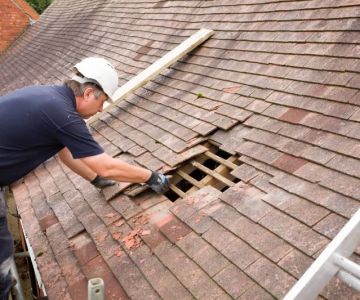
- Replacement: If the flashing is damaged beyond repair, it will need to be replaced. This typically involves removing the old flashing, preparing the surface, and installing new flashing materials that are appropriate for your roof type.
- Sealing: Ensure that the new flashing is properly sealed to prevent water from infiltrating the roof. Use high-quality roofing sealants to create a tight seal around the flashing edges.
- Professional Help: If you're unsure about how to repair the flashing yourself, it's advisable to consult a professional roofer. They will have the expertise and tools necessary to complete the repairs correctly.
5. Preventive Measures to Avoid Roof Flashing Failures
Preventing roof flashing failures starts with proper installation and regular maintenance. Here are some key preventive measures to help protect your roof from flashing issues:
- Regular Inspections: Schedule regular roof inspections, particularly after major storms, to check for damage to the flashing. Early detection of problems can save you from costly repairs later.
- Roof Maintenance: Keep gutters clean and free of debris to ensure proper water flow. Also, check for any signs of wear or damage on your roof, including around the flashing.
- Use High-Quality Materials: Invest in high-quality flashing materials that are durable and resistant to weathering. Materials such as copper or aluminum flashing provide long-lasting protection against water infiltration.
- Hire Professionals: When installing or repairing flashing, always hire a reputable and experienced roofing contractor to ensure the job is done correctly.
If you're dealing with water damage or flashing issues on your roof, don't wait until the damage worsens. Contact a professional roofer for a thorough inspection and repair. Visit Reliable Damage Hub for expert advice and top-quality roofing products that can help protect your home.

 Good Roads Water Damage Experts5.0 (1 reviews)
 R&R Foundation Specialist4.0 (305 reviews)
 MJ White4.0 (102 reviews)
 ATI Restoration3.0 (25 reviews)
 Modernistic4.0 (251 reviews)
 ServiceMaster Cleaning Services4.0 (27 reviews)
 Water Damage Restoration for Retail Spaces – Expert Tips and Real Cases
 How to Prevent and Repair Water Damage in Commercial Properties
 How to Protect Your Home’s Electrical System from Water Damage: Essential Tips
 Flooded Basement? Here’s How to Restore It Safely
 How to Handle Water Damage After a Storm: A Step-by-Step Guide
 How to Handle Water Damage from Burst Pipes: A Step-by-Step Guide