
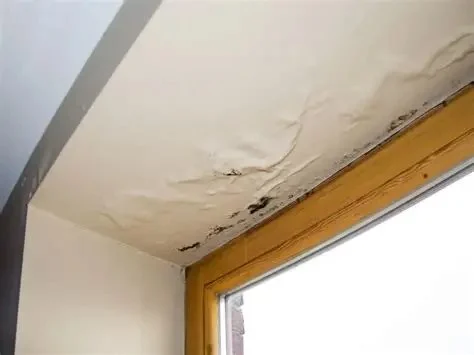
Understanding Water Damage in Walls and Ceilings
Water damage in walls and ceilings is a common issue in many buildings, and it can be caused by a variety of factors, including leaks, floods, or poor construction. Whether it’s due to a sudden pipe burst or a slow roof leak, addressing water damage quickly is crucial to prevent further deterioration, mold growth, or structural damage. In this article, we’ll discuss how to restore water-damaged walls and ceilings, step by step, and help you determine whether DIY repairs are enough or if you need professional assistance.
Common Causes of Water Damage to Walls and Ceilings
Water damage can occur in many ways. Understanding the common causes is essential for effective prevention and repair. Here are the most frequent sources of water damage:
1. Leaking Pipes
Pipes running through walls or ceilings can develop leaks over time, especially if they are old or poorly maintained. When water escapes from these pipes, it can saturate walls and ceilings, causing stains, peeling paint, and eventually, structural weakening.
2. Roof Leaks
Leaky roofs are one of the most common causes of water damage in ceilings. Heavy rain, aging shingles, or poor installation can lead to water seepage. The water may travel down and soak the drywall, causing it to sag, crack, or disintegrate over time.
3. Flooding
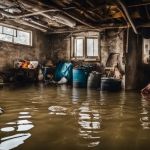
Flooding, whether from natural disasters or plumbing failures, can lead to severe water damage in both walls and ceilings. If the floodwater enters the building, it can cause extensive damage to drywall, insulation, and structural components, requiring extensive repairs.
4. HVAC Issues
Problems with your HVAC system, such as clogged condensation lines or leaks from air conditioning units, can cause water to drip onto ceilings and walls. Over time, this can result in water stains, damp spots, and potential mold growth.
Assessing the Extent of the Damage
Before beginning repairs, it’s essential to assess the extent of the water damage. Minor damage, such as small water stains, can often be repaired easily, but larger issues may require more extensive work. Here’s how to assess the damage:
1. Check for Visible Water Damage
Look for signs of discoloration, stains, or peeling paint on the walls and ceiling. These are often the first indicators of water damage. If the damage is extensive, you may notice sagging or soft areas in the drywall.
2. Inspect for Hidden Moisture
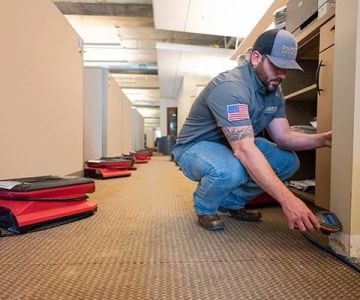
Water may have seeped into areas that aren’t visible. Use a moisture meter to detect hidden moisture behind walls or ceilings. Pay attention to areas that feel soft or mushy, as this could indicate a deeper issue that needs to be addressed.
3. Check for Mold or Mildew
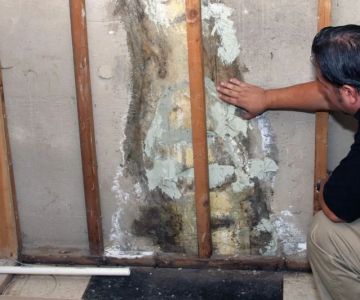
If water has been sitting in the affected area for an extended period, mold or mildew may begin to grow. Check for a musty odor or visible mold growth around the damage. Mold remediation may be necessary if the growth is extensive.
How to Repair Water-Damaged Walls and Ceilings
Once you’ve assessed the damage, it’s time to begin the repair process. Depending on the severity of the damage, you can either handle the repairs yourself or call in a professional restoration company. Here’s how to repair water-damaged walls and ceilings:
1. Repairing Minor Water Damage
If the water damage is minimal, such as water stains or minor drywall damage, you can often handle the repairs yourself. Start by removing any damaged drywall or ceiling tiles. Use a patching compound to fill any holes or cracks, then sand and paint the area to restore its appearance.
2. Replacing Severely Damaged Drywall
If the water damage has caused extensive damage to the drywall, it may need to be replaced entirely. Cut out the damaged section of drywall, ensuring the area is dry before installing new drywall. You’ll need to reapply joint compound, sand, and paint to match the existing ceiling or wall.
3. Dealing with Mold
If mold has developed due to prolonged water exposure, it’s important to address it before continuing with repairs. Use a mold-killing solution to clean the affected area, or hire a mold remediation professional if the mold growth is extensive. Replace any damaged insulation or structural components that have been compromised by mold.
Preventing Future Water Damage
Once the repairs are complete, it’s important to take steps to prevent future water damage. Regular maintenance and inspections can help catch potential issues before they cause significant problems.
1. Regular Roof and Plumbing Inspections
Regularly inspect your roof for any signs of wear or damage. Also, check your plumbing system for leaks or signs of corrosion. Addressing these issues early can prevent water damage from occurring in the first place.
2. Maintain Your HVAC System
Ensure your HVAC system is properly maintained to avoid water-related issues. Clean condensation lines and ensure the system is working efficiently to prevent water buildup in the ceiling or walls.
3. Install a Dehumidifier
Consider installing a dehumidifier in areas prone to moisture, such as basements or areas near plumbing. Keeping humidity levels low can help prevent water damage and mold growth.
Real-Life Case Study: Water Damage Repair in an Office
Let’s take a look at a real-life example of handling water damage in a commercial setting:
Case Study: Water Damage in an Office Ceiling
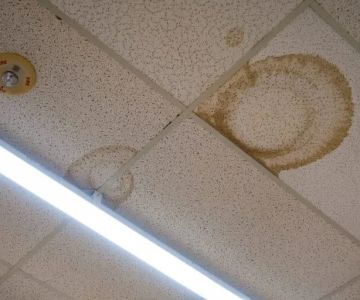
In a downtown office building, a pipe burst in the ceiling, leading to significant water damage. The water seeped through the ceiling tiles, causing them to sag and discolor. The building management team acted quickly, shutting off the water supply and hiring a professional water damage restoration company. The team removed the affected ceiling tiles, repaired the pipe, and replaced the damaged sections of drywall. Mold remediation was also performed, and the office was restored to its original condition within a week.
Final Thoughts on Water Damage Restoration
Water damage can be a serious issue, but with the right approach, you can restore your walls and ceilings to their original condition. By assessing the damage, making repairs, and taking steps to prevent future damage, you can protect your building from long-term issues. Whether you choose DIY repair or hire professionals, acting quickly and efficiently is key to minimizing further damage. For reliable water damage restoration services, visit 【Reliable Damage Hub】 for expert assistance and advice.
 SERVPRO of Port Huron4.0 (101 reviews)
 Griffin's Family Painting4.0 (9 reviews)
 MMI Home Improvement4.0 (203 reviews)
 Property Restoration Solutions4.0 (44 reviews)
 Hugo home improvement5.0 (30 reviews)
 Magna Dry5.0 (6 reviews)
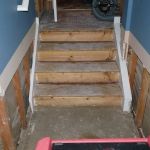 Water Damage Repair for Hardwood Stairs: A Complete Guide
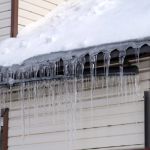 How to Handle Water Damage During Winter Snowstorms
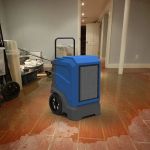 The Role of Dehumidifiers in Water Damage Restoration
 Water Damage Repair for Basement Ceilings: Causes, Solutions, and Prevention
 What to Do When Your Bathroom Floods - Reliable Damage Hub
 How to Remove Mold After Water Damage: A Comprehensive Guide