
- 1- How Water Damage Impacts Your Home’s Value
- 2- Key Signs of Water Damage to Watch For
- 3- What You Can Do to Minimize Water Damage
- 4- Repairing Water Damage: What to Expect
- 5- Prevention Tips for Future Water Damage
1- How Water Damage Impacts Your Home’s Value
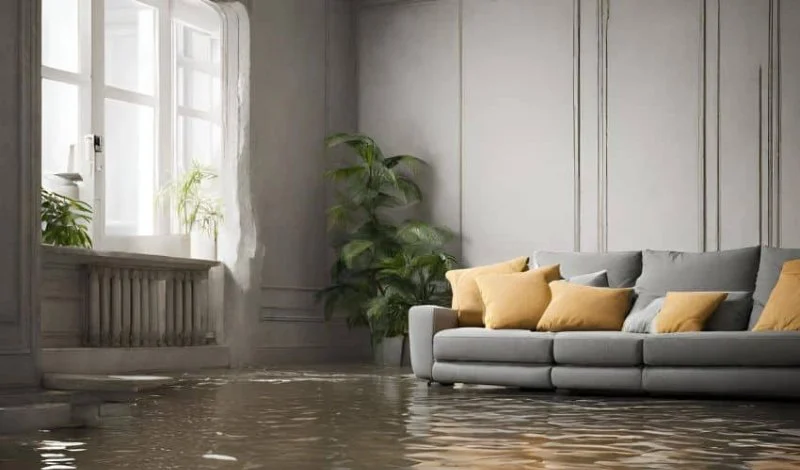
Water damage can have a significant impact on the value of your home. Whether it’s caused by a burst pipe, a leaky roof, or flooding, the consequences are often the same: structural damage, mold growth, and a decrease in property value. Even minor water damage, if left untreated, can lead to long-term issues that affect the integrity of your home. When potential buyers see signs of water damage, they may be deterred, fearing the cost of repairs and the risk of future issues.
Moreover, homes with extensive water damage may require significant repairs, including foundation stabilization, mold remediation, and replacement of drywall and insulation. All these repairs can add up, lowering the overall sale price of the home. Homeowners need to be aware of how water damage can erode their property’s worth and take immediate action to prevent further deterioration.
2- Key Signs of Water Damage to Watch For
Understanding the signs of water damage can help you identify problems early and address them before they escalate. Here are some common indicators:
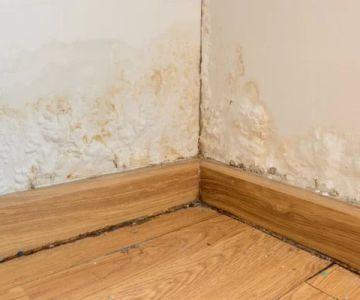
- Discoloration on Walls or Ceilings: Yellow or brown spots are often a sign of water intrusion, which could be caused by a roof leak or plumbing issue.
- Warped or Buckling Floors: Wood or laminate flooring that begins to warp or buckle may indicate that water has seeped underneath the surface.
- Musty Odors: A musty smell can be a strong indicator of mold growth, which thrives in moist environments.
- Peeling Paint or Wallpaper: Water can cause paint and wallpaper to peel or bubble, a clear sign of moisture behind the walls.
- Visible Mold or Mildew: Mold is often a direct result of water damage and can appear on surfaces like walls, ceilings, and even furniture.
If you notice any of these signs, it’s essential to act quickly to prevent further damage and address the root cause of the water issue.
3- What You Can Do to Minimize Water Damage
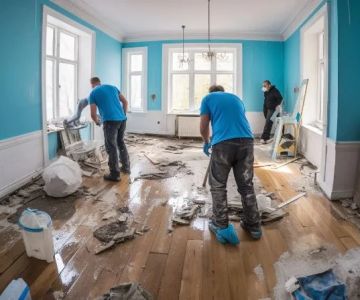
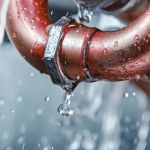
If you’re dealing with water damage, there are steps you can take to minimize the impact on your home’s value. Start by identifying the source of the water and stop it if possible. For example, if the damage is caused by a burst pipe, turn off the water supply to the home to prevent further leakage. Once the source is controlled, remove any standing water to prevent it from soaking deeper into floors and walls.
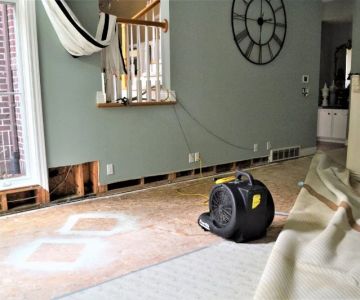
Next, dry out the affected areas as quickly as possible. Use fans, dehumidifiers, and open windows to promote airflow and speed up the drying process. If you’re unable to handle the situation on your own, it’s advisable to hire professional water damage restoration services to ensure thorough drying and to prevent mold growth.
4- Repairing Water Damage: What to Expect
Repairing water damage can be a time-consuming and costly process, depending on the extent of the damage. Small leaks may only require patching up walls and replacing a few floorboards, while more significant damage could require extensive repairs such as replacing drywall, insulation, or even structural components.
In most cases, the first step in the repair process is to assess the damage and determine the source of the water. After that, a professional restoration company will typically begin by removing any damaged materials and drying out the area. Mold remediation may also be necessary, as mold can begin to grow within 24-48 hours in a damp environment.
Once the area is dry, the final step is to rebuild and restore the affected areas. This may involve replacing drywall, repainting surfaces, and re-installing flooring. It’s essential to hire experienced professionals who specialize in water damage restoration to ensure the repairs are done correctly and that no hidden issues remain.
5- Prevention Tips for Future Water Damage
Preventing water damage in the future can save you significant time and money. Here are some tips to reduce the risk of water damage to your home:
- Maintain Gutters and Downspouts: Regularly clean gutters and downspouts to prevent water from backing up and overflowing onto your roof or foundation.
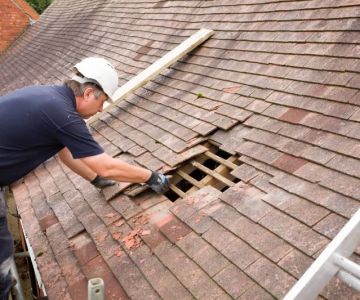
- Inspect Your Roof: Check your roof for signs of wear and tear, such as cracked or missing shingles, and address any issues promptly.
- Seal Windows and Doors: Ensure that windows and doors are properly sealed to prevent water from entering your home during rainstorms.
- Install a Sump Pump: A sump pump can help remove excess water from your basement or crawl space, especially in flood-prone areas.
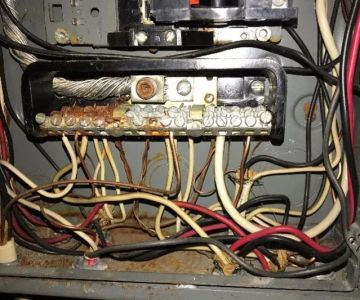
- Fix Plumbing Leaks: Regularly inspect your plumbing system for leaks or signs of corrosion and address them immediately to prevent water damage.
By taking proactive measures, you can greatly reduce the risk of future water damage and protect your home’s value for years to come.
 Good Roads Water Damage Experts5.0 (1 reviews)
 R&R Foundation Specialist4.0 (305 reviews)
 MJ White4.0 (102 reviews)
 ATI Restoration3.0 (25 reviews)
 Modernistic4.0 (251 reviews)
 ServiceMaster Cleaning Services4.0 (27 reviews)
 Water Damage Restoration for Retail Spaces – Expert Tips and Real Cases
 How to Prevent and Repair Water Damage in Commercial Properties
 How to Protect Your Home’s Electrical System from Water Damage: Essential Tips
 Flooded Basement? Here’s How to Restore It Safely
 How to Handle Water Damage After a Storm: A Step-by-Step Guide
 How to Handle Water Damage from Burst Pipes: A Step-by-Step Guide