
- 1. Why Water Damage Restoration Is Crucial
- 2. Immediate Steps to Take After Water Damage
- 3. Water Damage Restoration Checklist
- 4. How to Prevent Future Water Damage
- 5. When to Call Professionals for Water Damage Restoration
1. Why Water Damage Restoration Is Crucial
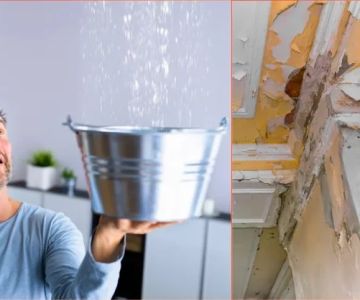
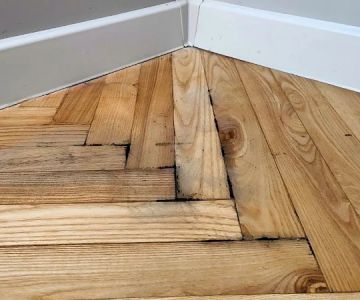
Water damage in your home can be a devastating event. Whether caused by a burst pipe, flooding, or leaking roof, water can wreak havoc on your property, leading to structural damage, mold growth, and a host of other problems. It’s essential to act quickly and properly when faced with water damage to avoid extensive and costly repairs.
Proper water damage restoration can help you recover from these events efficiently and restore your home to its original condition. The key to effective restoration is preparing in advance and understanding the steps involved in the cleanup and repair process. This way, you can minimize long-term damage and reduce the risk of mold and mildew growth, which often follows water exposure.
2. Immediate Steps to Take After Water Damage
After you’ve experienced water damage, it’s important to act fast to prevent further damage. Here are the immediate steps you should take when you first discover water damage:
- Turn off the water supply: If the water damage is due to a burst pipe or plumbing issue, immediately shut off the main water valve to stop the flow of water.
- Turn off electricity: Water and electricity do not mix. To prevent electrical hazards, turn off the power in the affected areas of your home.
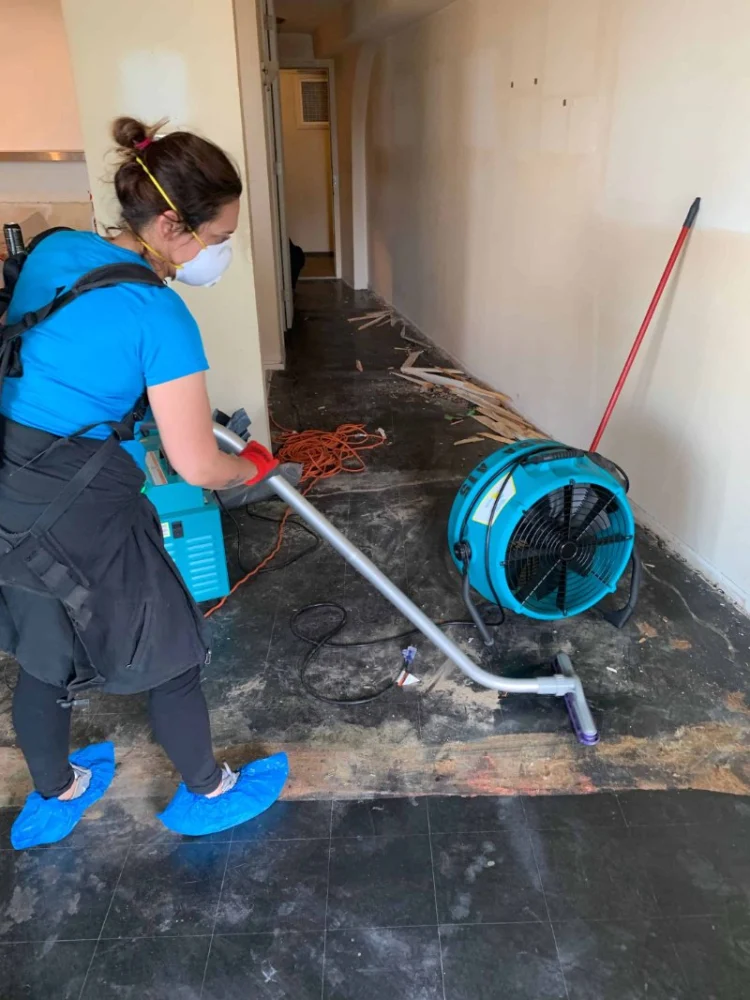
- Remove excess water: Use a wet/dry vacuum, towels, or mops to remove standing water. The faster you remove the water, the less likely it is to cause long-term damage.
- Protect valuable items: Move valuable items, electronics, and furniture away from the water-affected area to prevent further damage.
3. Water Damage Restoration Checklist
Restoring your home after water damage requires careful planning and execution. Here’s a detailed checklist for homeowners to follow when dealing with water damage:
- Inspect the damage: Assess the extent of the damage. Look for areas where water has soaked into walls, flooring, ceilings, or insulation. This will help you determine the severity of the situation and whether professional help is required.
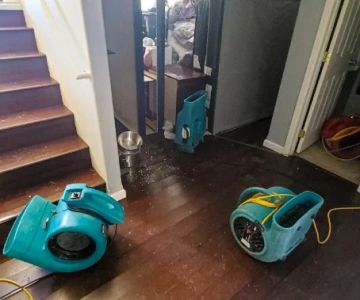
- Dry out the affected area: Begin drying out the space as quickly as possible. Use fans, dehumidifiers, and open windows to circulate air and speed up the drying process. If there’s significant water damage, renting commercial-grade equipment may be necessary.
- Remove wet materials: Carpets, rugs, and furniture that have been soaked should be removed or professionally cleaned. In some cases, these materials may need to be replaced to prevent mold growth.
- Inspect for mold: Mold can begin to grow within 24-48 hours of water exposure. Look for any signs of mold and mildew, particularly in hidden areas like basements, attics, and under floorboards.
- Clean and disinfect: After drying and removing wet materials, clean and disinfect all affected surfaces to prevent bacteria and mold. Pay special attention to any areas that may have been exposed to contaminated water.
- Repair structural damage: Once everything has dried, begin repairing any structural damage caused by the water. This may include replacing drywall, insulation, and flooring. If necessary, hire a contractor to restore the structural integrity of your home.
4. How to Prevent Future Water Damage
After dealing with water damage, it's important to take steps to prevent it from happening again. Here are some tips to help protect your home from future water-related issues:
- Regularly inspect your roof and gutters: Ensure that your roof is in good condition and that gutters are free of debris to prevent leaks during heavy rain.
- Seal cracks and gaps: Inspect windows, doors, and walls for cracks or gaps and seal them to prevent water from entering during storms.
- Install a sump pump: If your basement is prone to flooding, a sump pump can help keep water out. Ensure that the pump is properly maintained and functioning during the rainy season.
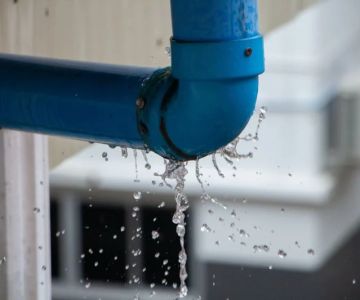
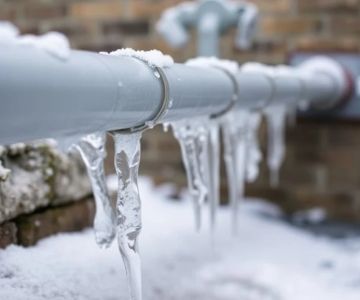
- Maintain your plumbing: Regularly inspect pipes for leaks, corrosion, or wear and tear. Address any issues promptly to prevent burst pipes and water damage.
5. When to Call Professionals for Water Damage Restoration
While some water damage restoration tasks can be handled by homeowners, there are situations where professional help is essential. You should contact a restoration company or plumber in the following situations:
- Severe damage: If the damage is extensive and you’re unable to handle it on your own, professional help will be necessary to properly address the situation.
- Mold growth: If mold has started to grow or you suspect hidden mold behind walls or under floors, it's best to call a mold remediation expert to safely remove it.
- Plumbing issues: If the water damage is caused by a plumbing issue, such as burst pipes, a licensed plumber can fix the problem and prevent further damage.
By understanding the steps involved in water damage restoration and having a solid plan in place, you can minimize the impact of water damage on your home. If you need help or products for water damage prevention, visit Reliable Damage Hub for expert advice and top-quality solutions.
 Restoration Operators Of Westchester5.0 (20 reviews)
 Pressure Point Waterproofing Inc0.0 (0 reviews)
 PuroClean Professional Restoration4.0 (64 reviews)
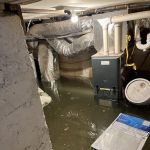 Helpers Disaster Restoration4.0 (9 reviews)
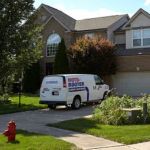 Roto-Rooter Plumbing & Water Cleanup4.0 (1084 reviews)
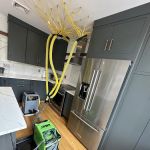 Jigsaw Property Maintenance & Restoration5.0 (4 reviews)
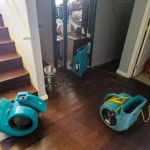 How to Choose the Best Water Damage Restoration Tools for DIY Projects
 How to Prevent Water Damage from Basement Sump Pump Failures
 How to Handle Basement Flooding: Step-by-Step Guide
 What You Should Know About Water Damage Restoration and Mold Growth
 Water Damage Repair for Outdoor Patios and Decks
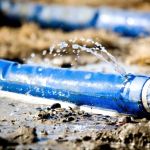 How to Manage Water Damage Caused by Broken Water Pipes