Understanding the Risks of Frozen Pipes
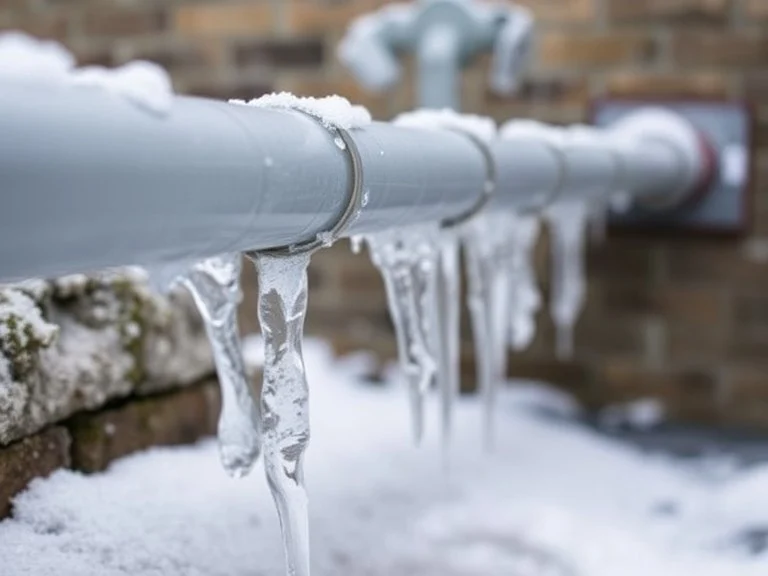
During the winter months, freezing pipes are a common issue for homeowners, especially in areas that experience harsh, cold temperatures. When pipes freeze, the water inside them expands, which can lead to cracks or bursts in the pipe. This is a serious problem, as it can cause significant water damage to your home. Frozen pipes are often the culprits behind flooding, mold growth, and the destruction of walls, floors, and ceilings. Therefore, it’s essential to understand the risks and take preventive measures to avoid the costly damage caused by freezing pipes.

Wizard Restorations Inc / puroclean of san fernando
Rancho CucamongaSan Bernardino CountyCalifornia
10245 8th St, Rancho Cucamonga, CA 91730, USA
Why Pipes Freeze in Winter
Pipes freeze when the temperature of the surrounding air drops below 32°F (0°C) and the water inside the pipes freezes. However, certain factors increase the likelihood of pipes freezing:
Giants / dry kings restoration of san francisco
San FranciscoSan Francisco CountyCalifornia
685 Geary Blvd, San Francisco, CA 94102, USA
1. Location of the Pipes
Pipes that are located in unheated areas such as basements, attics, garages, or exterior walls are particularly vulnerable to freezing. These areas are often not insulated or heated, making them more susceptible to temperature drops.
2. Insufficient Insulation
If the pipes aren’t properly insulated, the cold air can reach the pipes more easily, leading to freezing. Homes that have poor insulation in their walls, ceilings, or floors are more likely to experience this issue.
3. Sudden Temperature Drops
Extreme temperature fluctuations or sudden cold snaps can overwhelm a home’s heating system and allow temperatures to plummet rapidly. This sudden drop can cause pipes to freeze more quickly than anticipated.
How to Protect Your Pipes from Freezing
The best way to avoid the headache and expense of water damage from frozen pipes is to prevent them from freezing in the first place. Here are some effective steps you can take to protect your pipes:
1. Insulate Pipes in Cold Areas
One of the most effective ways to prevent frozen pipes is by properly insulating them. Use foam pipe insulation or heating tape to cover pipes in unheated areas such as basements, crawl spaces, and exterior walls. This added layer of insulation helps keep the temperature around the pipes stable and reduces the risk of freezing.
2. Keep a Consistent Temperature
Maintaining a consistent temperature inside your home is crucial in preventing frozen pipes. Even if you’re going away for the holidays, set your thermostat to at least 55°F (13°C) to ensure your pipes remain above freezing. It’s better to keep the heat on low than to turn it off entirely, especially in colder months.
3. Seal Gaps and Cracks
Inspect your home for any gaps, cracks, or openings in the walls, doors, windows, or around your pipes. Seal these gaps with caulk or foam to prevent cold air from seeping in. If there are any holes in your home’s foundation or around vents, seal them to minimize the risk of cold air reaching your pipes.
4. Let Faucets Drip
If you expect extreme cold weather, let faucets connected to vulnerable pipes drip slightly. This will help relieve pressure in the pipes and reduce the chances of them freezing. Running water is less likely to freeze compared to stagnant water, so a steady drip can make a difference during a cold snap.
5. Open Cabinet Doors
If you have plumbing inside cabinets, such as under kitchen or bathroom sinks, open the cabinet doors to allow warm air from your home to circulate around the pipes. This is particularly helpful for pipes that run along exterior walls. You can also place a small heater near the open cabinet doors to keep the temperature above freezing.
6. Install a Frost-Free Hose Bib
Outdoor faucets are often vulnerable to freezing. Consider installing a frost-free hose bib to prevent water from freezing in the pipes outside. These bibs have a valve that shuts off the water supply from the outside, reducing the risk of freezing inside the pipe.
What to Do If Your Pipes Freeze
Despite all precautions, pipes can still freeze. If you find yourself in this situation, it’s essential to act quickly to prevent further damage:
1. Identify the Frozen Pipes
To identify frozen pipes, check areas where pipes are most likely to freeze, such as exterior walls, attics, and basements. You may notice a lack of water flow from faucets or a noticeable drop in water pressure. Use your hands to feel for cold spots along the pipe, as frozen sections will feel colder than the rest of the pipe.
2. Thaw the Pipes Safely
If you’ve identified a frozen pipe, start thawing it slowly. Do not use an open flame to thaw the pipes, as this can be dangerous and could cause a fire hazard. Instead, use a hair dryer, space heater, or a heating pad to gently heat the frozen section of the pipe. Start from the faucet end and work your way back toward the frozen section.
3. Turn on the Faucet
As you apply heat, turn on the faucet connected to the frozen pipe. The water flow will help release pressure in the pipes, and you may hear a hissing sound as the ice melts. Allow the water to run for several minutes until normal pressure is restored.
4. Check for Leaks
Once the pipes are thawed, carefully check for any cracks or leaks that may have occurred due to the freezing. If you find any leaks, turn off the water supply immediately and contact a plumber for repairs. Even a small crack can lead to significant water damage, so it’s important to address it as soon as possible.
5. Call a Professional
If you're unable to locate the frozen section or if the pipe has burst, it's best to call a professional plumber. They have the tools and expertise to safely thaw frozen pipes and repair any damage. A plumber can also inspect your home’s plumbing system to ensure there are no other vulnerable areas that could lead to future freezing issues.
Preventing water damage from freezing pipes is all about preparation. By taking the proper steps to insulate your pipes, maintain consistent temperatures, and address any vulnerabilities in your home, you can significantly reduce the risk of frozen pipes and the potential damage they cause. Don’t wait for winter to catch you off guard—act now to protect your home.
If you need expert assistance in preventing water damage or repairing any issues caused by frozen pipes, visit Reliable Damage Hub for top-quality products and services designed to protect your home!
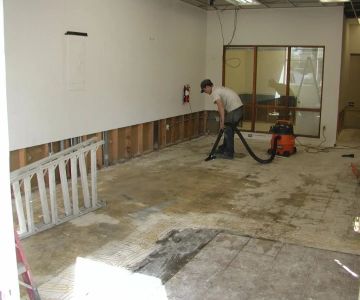
 ENVIRONMENTAL RESTORATION SERVICES INCORPORATED5.0 (8 reviews)
 PuroClean of West Phoenix5.0 (18 reviews)
 DryMax Mold5.0 (5 reviews)
 Water and Fire Damage Restoration & Construction4.0 (24 reviews)
 A Personal Touch Cleaning & Restoration5.0 (404 reviews)
 DRYmedic Restoration Services of Austin5.0 (19 reviews)
 The Link Between Water Damage and Long-Term Structural Issues
 Water Damage Restoration for Commercial Kitchens
 How to Handle Basement Flooding: Step-by-Step Guide
 Can I Repair Water Damage Myself? Here’s What You Should Know
 How to Prevent Water Damage During Heavy Rainfall: Essential Tips
 Water Damage Restoration Tips for Older Homes | Fix Water Damage Effectively