
How to Handle Water Damage in Your Home’s Wood Floors and Furniture
- Understanding Water Damage on Wood
- Immediate Steps for Dealing with Water Damage
- Repairing Water-Damaged Wood Furniture
- Preventing Future Water Damage to Wood
- When to Call Professionals for Water Damage Restoration
1. Understanding Water Damage on Wood
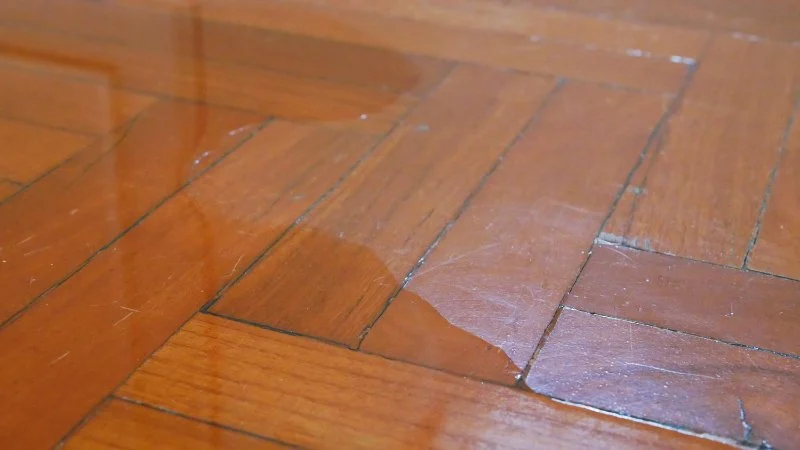
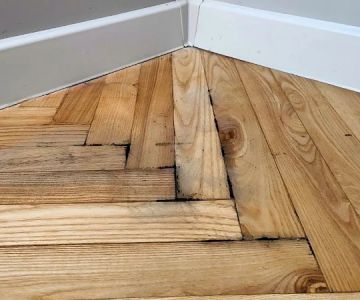
Water damage is one of the most common and costly issues homeowners face, especially when it comes to wooden floors and furniture. Whether from a spill, flooding, or high humidity, water can warp, stain, and weaken wood over time, leading to permanent damage if not addressed promptly. Understanding how water interacts with wood is the first step in effectively mitigating damage.
Wood is a porous material, which means it absorbs water easily. When exposed to moisture, wood can swell, soften, or even crack. Different types of wood react to water in different ways, but the effects can be equally damaging. Therefore, addressing water damage quickly and properly is essential to avoid further deterioration and costly repairs.
SERVPRO of Pompano Beach / servpro of santa maria
Pompano BeachBroward CountyFlorida
2101 NW 33rd St #200a, Pompano Beach, FL 33069, USA
2. Immediate Steps for Dealing with Water Damage
When you notice water damage on your wood floors or furniture, it’s crucial to take action as soon as possible. The quicker you act, the higher your chances of minimizing damage and preventing long-term issues.
Giants / dry kings restoration of san francisco
San FranciscoSan Francisco CountyCalifornia
685 Geary Blvd, San Francisco, CA 94102, USA
2.1. Remove Excess Water
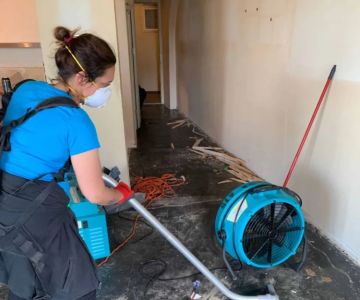
Start by removing any standing water from the affected area. Use towels, rags, or a wet/dry vacuum to soak up the water. If the damage is from a spill or a small amount of water, this step may be enough to prevent further damage. Be thorough—don’t leave any moisture behind.
2.2. Dry the Area Thoroughly
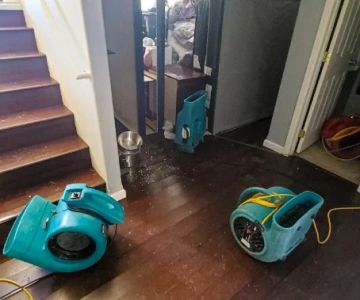
After removing excess water, it’s crucial to dry the area completely. Open windows, use fans, and increase air circulation in the room. For wood furniture, wipe down the surface with a dry cloth to absorb any remaining moisture. If the floor is affected, use a dehumidifier to reduce moisture in the air, which can help speed up the drying process.
2.3. Assess the Damage
Once the area is dry, inspect the wood for visible signs of damage, such as warping, discoloration, or stains. For furniture, check for any swelling or softening in the wood. This will help you determine whether the damage can be repaired or if professional help is needed. If the wood still feels wet, repeat the drying process to avoid further damage.
3. Repairing Water-Damaged Wood Furniture
Repairing water damage on wood furniture can range from simple cleaning to more complex restoration, depending on the extent of the damage. Here are steps to repair minor and moderate water damage:
3.1. Clean the Surface
If the water damage is minor, start by cleaning the affected area with a gentle cleaner specifically designed for wood. This will remove any grime or mildew that may have developed and prepare the wood for further treatment. Be sure to use a soft cloth to avoid scratching the surface.
3.2. Sand and Refinish the Wood
For deeper water damage, sanding and refinishing the wood may be necessary. Use fine-grit sandpaper to gently sand down the area, focusing on the water-stained spots. After sanding, apply a fresh coat of wood finish or varnish to restore the wood’s original luster and protect it from further damage. This process may take several hours to complete, but it can bring your wood furniture back to life.
3.3. Use Furniture Polish and Wax
Once you’ve cleaned and sanded the surface, apply a good-quality furniture polish or wax. This not only enhances the wood’s appearance but also helps to restore moisture and shine, which can be lost during the drying process. It also acts as a protective layer to prevent future water damage.
4. Preventing Future Water Damage to Wood
While water damage can be unavoidable in certain circumstances, there are steps you can take to prevent future damage to your wood floors and furniture.
4.1. Use Coasters and Placemats
To protect wooden furniture from spills and moisture, always use coasters for drinks and placemats for food. This will create a barrier between the wood and any liquids, reducing the chance of water damage.
4.2. Maintain Proper Humidity Levels
Wood is highly sensitive to changes in humidity. High humidity can cause wood to absorb moisture, while low humidity can cause it to dry out and crack. Keep the humidity in your home within a stable range of 40-60% to help maintain the integrity of your wood furniture and floors. A humidifier can help during dry months, and a dehumidifier can help during the wetter season.
4.3. Seal and Protect the Wood
Applying a protective sealant to your wood furniture and floors can create a barrier against moisture. Be sure to use a sealant designed for the type of wood in your home. This will help protect your wood surfaces from accidental spills and water damage over time.
5. When to Call Professionals for Water Damage Restoration
While minor water damage can often be handled at home, significant water damage may require professional intervention. If you’re dealing with extensive water damage, such as flooding or deep saturation, it’s important to call in water damage restoration experts. They can assess the damage, dry the area properly, and repair the affected areas safely and effectively.
If you need professional help restoring your wood floors and furniture, visit Reliable Damage Hub for top-quality products and expert services to address all your water damage needs.
 Restoration Operators Of Westchester5.0 (20 reviews)
 Pressure Point Waterproofing Inc0.0 (0 reviews)
 PuroClean Professional Restoration4.0 (64 reviews)
 Helpers Disaster Restoration4.0 (9 reviews)
 Roto-Rooter Plumbing & Water Cleanup4.0 (1084 reviews)
 Jigsaw Property Maintenance & Restoration5.0 (4 reviews)
 How to Choose the Best Water Damage Restoration Tools for DIY Projects
 How to Prevent Water Damage from Basement Sump Pump Failures
 How to Handle Basement Flooding: Step-by-Step Guide
 What You Should Know About Water Damage Restoration and Mold Growth
 Water Damage Repair for Outdoor Patios and Decks
 How to Manage Water Damage Caused by Broken Water Pipes