
- 1-Why Water Damage from Broken Pipes is a Serious Issue
- 2-Immediate Actions to Take When You Have a Broken Pipe
- 3-How to Prevent Long-Term Damage After a Pipe Burst
- 4-Water Damage Restoration: The Steps You Need to Know
- 5-When to Seek Professional Help for Water Damage
1-Why Water Damage from Broken Pipes is a Serious Issue
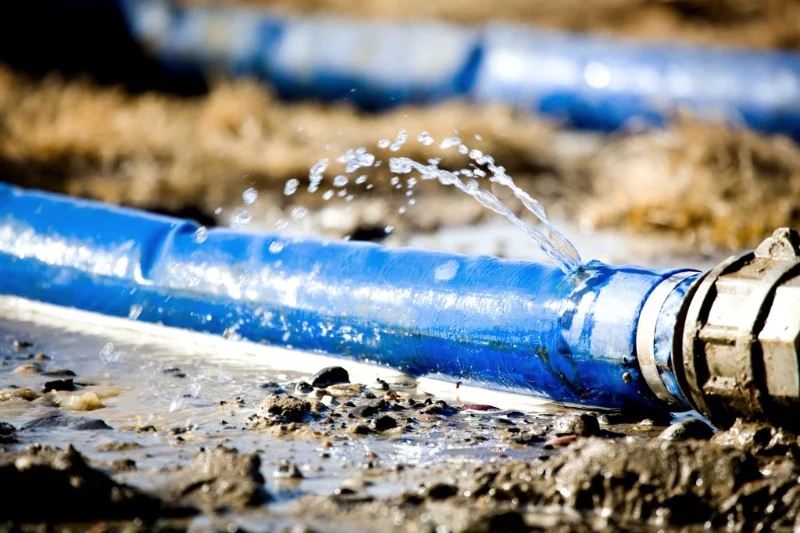
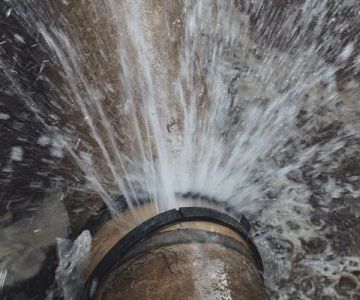
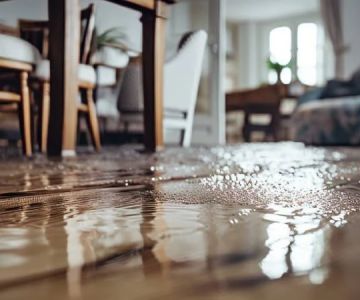
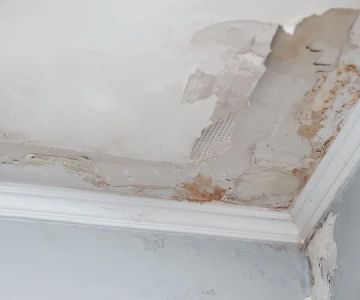
Water damage caused by broken water pipes can be one of the most destructive issues a homeowner can face. Pipes can burst or leak due to various factors, such as freezing temperatures, age, or pressure changes. When a pipe breaks, water rapidly floods the surrounding area, damaging floors, walls, ceilings, and personal belongings. The longer the water sits, the more damage it can cause, leading to mold growth, structural issues, and significant repair costs.
Understanding the severity of water damage is critical. Not only can it disrupt your daily life, but if not handled promptly and properly, it can lead to costly repairs. Water damage can also affect your health by promoting mold and mildew growth, which can cause respiratory issues and other health problems. That’s why it’s essential to act quickly when you discover a broken pipe in your home.
Giants / dry kings restoration of san francisco
San FranciscoSan Francisco CountyCalifornia
685 Geary Blvd, San Francisco, CA 94102, USA
2-Immediate Actions to Take When You Have a Broken Pipe
When you notice a broken pipe or water leak, immediate action is crucial to minimize damage. Here’s what you should do:
- Turn off the water supply: The first step is to shut off the main water valve to stop the flow of water. This will prevent more water from entering the house and causing further damage.
- Turn off the electricity: If water is near electrical outlets, appliances, or wiring, turn off the power supply to prevent the risk of electrical shock or fire.
- Contain the water: Use towels, buckets, or any available material to contain the water and prevent it from spreading. If possible, move furniture or belongings out of the affected area.
- Document the damage: Take photos of the damage for insurance purposes. This will help when filing a claim for water damage restoration services.
By taking these steps quickly, you can minimize the potential for further damage and begin the process of water damage restoration.
Drip Restoration / valleywide restoration mesa az
932 S Stapley Dr, Mesa, AZ 85204, USA
3-How to Prevent Long-Term Damage After a Pipe Burst
Once you’ve addressed the immediate concerns, it’s time to focus on preventing long-term damage. Water that is left standing can seep into walls, floors, and insulation, leading to extensive damage over time. Here are some steps to take:
- Dry out the area: Use fans, dehumidifiers, and open windows to allow airflow and help dry out the water. The sooner you dry out the area, the less likely it is that mold will start to form.
- Check for hidden water: Water may have soaked into areas that are hidden from view, such as behind walls or underneath floors. If possible, remove baseboards and check for trapped water. A moisture meter can help you detect hidden moisture.
- Clean and sanitize the affected area: After drying, clean the affected surfaces with disinfectant to remove any bacteria or mold spores that may have been introduced by the water.
Taking these steps will not only help prevent further damage but also ensure that your home is safe from mold growth and other water-related issues in the long term.
4-Water Damage Restoration: The Steps You Need to Know
Water damage restoration involves a multi-step process that requires thorough and professional handling. Here’s what to expect during the restoration process:
- Assessment and Inspection: A professional restoration company will assess the extent of the water damage and inspect all affected areas. They will look for hidden damage and determine the best course of action for cleaning and restoration.
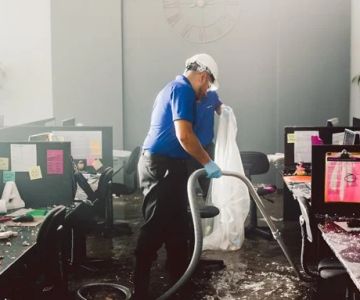
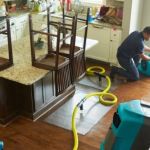
- Water Extraction: The next step is to extract the water from the affected areas using specialized equipment like pumps and vacuums. This helps to prevent further damage and begins the drying process.
- Drying and Dehumidification: After water extraction, industrial-grade fans and dehumidifiers are used to dry the space thoroughly. This step can take several days to ensure that all areas are completely dry, preventing mold growth.
- Cleaning and Sanitization: All affected surfaces, including walls, floors, and furniture, are cleaned and sanitized to remove contaminants and prevent the growth of mold and bacteria.
- Restoration and Repairs: Finally, any structural damage caused by the water, such as damaged drywall, flooring, or ceilings, will be repaired or replaced to restore your home to its pre-damage condition.
Water damage restoration is a crucial step in bringing your home back to its normal state. Hiring a professional restoration company ensures that the job is done thoroughly and correctly, protecting your home from future issues.
5-When to Seek Professional Help for Water Damage
If you’re dealing with significant water damage from a broken pipe, it’s often best to seek professional help. Water damage restoration companies have the necessary expertise, equipment, and training to handle the situation efficiently. They can ensure that the water is removed, the area is dried properly, and any structural damage is repaired according to industry standards.
At Reliable Damage Hub, we specialize in water damage restoration and can help you manage the aftermath of a broken pipe. Our expert team is ready to assess your situation and provide quick, efficient restoration services to minimize further damage and get your home back in shape.
Don’t let water damage ruin your home. Contact Reliable Damage Hub for professional advice and fast restoration services when dealing with water damage caused by broken water pipes.
 Parish Restoration5.0 (9 reviews)
 N.E. Disaster Restoration, Inc.4.0 (16 reviews)
 Great White Smoke Damage Co.5.0 (6 reviews)
 The Basement Doctor of WV4.0 (118 reviews)
 Ironwood Builders5.0 (1 reviews)
 Multi Serve3.0 (26 reviews)
 Essential Tools for Water Damage Restoration at Home
 Emergency Water Damage Cleanup: A Step-by-Step Guide for Homeowners
 How to Repair Water-Damaged Window Frames: A Step-by-Step Guide
 Water Damage Repair for Bathroom Flooring and Tile in the USA
 How to Identify and Repair Roof Damage from Long-Term Shade and Moisture
 How to Repair Water Damage from Leaky Appliances: A Step-by-Step Guide