

How to Compare Water Damage Restoration Companies
On this page
Quick answer
Compare water damage restoration companies by verified licensing where required, insurance, relevant training, 24-hour response details, contamination controls, moisture documentation, equipment plan, subcontractors, written price terms, and completion criteria. Get more than one written estimate when immediate safety allows. Do not choose solely by arrival speed, online rating, insurer relationship, or a promise that your claim will pay everything.
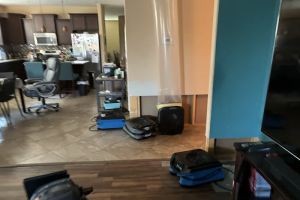
Drip Restoration / valleywide restoration mesa az
932 S Stapley Dr, Mesa, AZ 85204, USA
What to ask on the first call
- How soon can a qualified assessor arrive, and is there an emergency call-out charge?
- Do you handle this water source, contamination level, and building type?
- Who will be the project supervisor and daily contact?
- What can be done now to reduce damage without creating electrical, structural, or contamination risk?
- Will you document pre-existing conditions before moving or removing materials?
- Do you provide mitigation only, reconstruction too, or use subcontractors?
A useful call begins with safety and source control, not pressure to sign a broad authorization immediately.
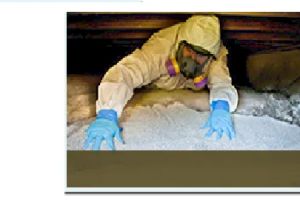
Giants / dry kings restoration of san francisco
San FranciscoSan Francisco CountyCalifornia
685 Geary Blvd, San Francisco, CA 94102, USA
Verify credentials and coverage
Check state, county, and city requirements because restoration, demolition, mould work, plumbing, electrical work, and reconstruction may have different rules. Verify a license directly with the issuing government rather than relying on a logo.
- General liability insurance and workers’ compensation, with current proof.
- Relevant water-restoration, structural-drying, microbial-remediation, or lead/asbestos training for the assigned work.
- Local references for similar projects and complaint history.
- Legal business name, physical contact information, and responsible supervisor.
- Written disclosure of subcontractors and who insures and supervises them.
Compare the written scope
Ask each company to describe the same work categories so estimates are comparable:
- Source and suspected contamination.
- Safety controls, containment, and personal protective equipment.
- Rooms and materials included in extraction, cleaning, removal, or protection.
- Equipment type, quantity, monitoring, and expected duration.
- Contents handling, storage, disposal, and documentation.
- HVAC and concealed-cavity assessment.
- Daily labour, equipment, consumables, disposal, and after-hours rates.
- Drying targets, completion documentation, and reconstruction exclusions.
Review the drying plan
A drying goal is a measurable moisture condition used to decide when affected materials are dry enough for the planned next step. “Looks dry” is not a documented goal.
Ask for an initial moisture map, reference measurements from unaffected materials, daily readings, temperature and humidity records, equipment changes, and a final report. The plan should change when readings show poor progress. Equipment should not remain merely because a fixed number of rental days was quoted.
Understand insurance roles
The restoration company documents and performs contracted work; the insurer interprets the policy and claim. A contractor should not guarantee coverage or require you to sign over an insurance check. Confirm deductibles, emergency mitigation duties, approvals, and documentation directly with the insurer.
You remain responsible for the contract you sign, including charges the policy does not pay. Ask whether prices are fixed, estimated, time-and-materials, or subject to supplements, and who must approve expanded work.
Red flags
- Unsolicited arrival followed by pressure to sign immediately.
- Refusal to provide license, insurance, references, or a written scope.
- Cash, wire transfer, cryptocurrency, gift card, or full upfront payment demands.
- A blank contract, broad assignment of benefits, or unexplained financing.
- Guaranteed insurance payment or promises to “waive” obligations without written insurer confirmation.
- Demolition before source, contamination, photos, and material conditions are documented when no emergency requires it.
- No drying measurements or completion criteria.
Decision checklist
- I verified legal business identity, licensing, and insurance.
- I compared at least two scopes when delay was safe.
- The source, hazards, materials, containment, and drying goals are written.
- I understand rates, deposits, change orders, cancellation, and payment.
- I know who handles contents, reconstruction, and subcontractors.
- I called my insurer directly and kept claim communications.
- I will receive photos, moisture logs, disposal records, invoices, and completion documents.
Limitations and emergencies
Large disasters can reduce contractor availability, but urgency does not remove the need for identity, insurance, scope, and payment checks. Immediate stabilization may reasonably precede competitive estimates when water is actively spreading or safety is threatened; document why and define the limited authorization.
Leave and call emergency services or utilities for fire, electric shock, gas odour, collapse, fast-moving floodwater, or other immediate danger. A directory listing or professional credential is not a guarantee of project quality.
Frequently asked questions
Should I use the company my insurer suggests?
You can evaluate it, but ask the insurer about your choices and policy. Compare credentials, scope, pricing, documentation, and contract terms as you would with any company.
Is the lowest estimate best?
Not necessarily. A low scope may omit containment, monitoring, disposal, contents, or reconstruction. Compare included work and completion criteria.
What is an emergency service authorization?
It permits defined immediate work. Read the areas, rates, payment responsibility, cancellation, and authority to remove materials before signing.
How do I know drying is complete?
Request final moisture measurements compared with appropriate dry references and a record of affected materials—not only verbal assurance.
Sources and evidence notes
Consumer checks follow the Federal Trade Commission’s post-disaster contractor guidance, including verifying licenses and insurance, comparing written estimates, avoiding pressure and risky payment methods, and not signing over insurance funds.
Next steps
Write a one-page description of the source, timing, rooms, materials, and hazards, then give the same information to each company. Compare written scopes line by line, verify credentials with original sources, call the insurer yourself, and authorize only the work you understand.
 Mr. Rooter Plumbing of Palm Desert4.0 (204 reviews)
 ALL STARS DRY5.0 (19 reviews)
 Master Painting of the RGV4.0 (14 reviews)
 Mold Removal Masters, LLC4.0 (55 reviews)
 Rainbow Restoration of Southeast Louisiana4.0 (8 reviews)
 ServiceMaster by Isler3.0 (7 reviews)
 How to Restore Water-Damaged Electronics Safely and Effectively
 How to Safely Remove Water From Hardwood Floors: Expert Tips
 How to Handle Water Damage From HVAC Systems: Repair and Prevention Guide
 How to Repair Water-Damaged Electrical Systems Safely
 How to Prevent Water Damage from Affecting Your Furniture
 How to Fix Water Damage in Your Basement Walls