
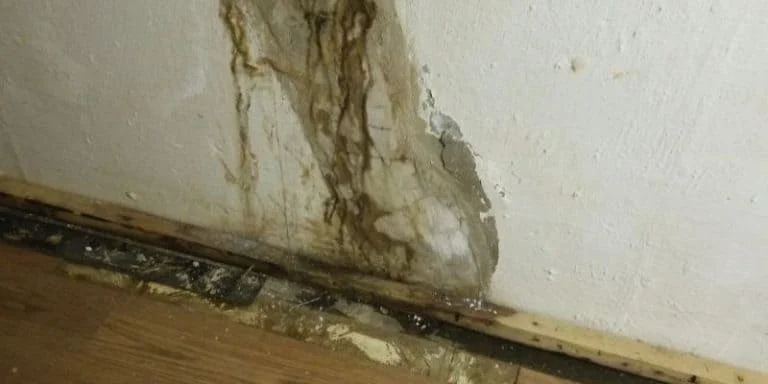
1. Understanding Water Damage to Your Foundation
Water damage to your home’s foundation can cause significant problems, including structural instability and costly repairs. Foundations are the key to your home’s structural integrity, and when they’re compromised by water, the effects can be far-reaching. Water damage occurs when water seeps into the foundation through cracks or gaps, weakening the material over time and causing shifts in the foundation structure.
The causes of water damage to foundations vary. Some of the common culprits include improper drainage, poor landscaping, plumbing leaks, and heavy rainfall. Over time, water can erode the foundation or accumulate under the home, increasing the risk of long-term damage. Regular maintenance and early detection are key to preventing major issues with your foundation.
SERVPRO of Pompano Beach / servpro fort lauderdale south
Pompano BeachBroward CountyFlorida
2101 NW 33rd St #200a, Pompano Beach, FL 33069, USA
2. Signs Your Foundation Has Water Damage
Recognizing the signs of water damage to your foundation early can save you from more extensive damage and high repair costs. Here are some common indicators to watch out for:
- Cracks in the Walls or Floor: If you notice cracks appearing in your basement walls or floors, especially around windows or doors, it could be a sign that water is affecting the foundation. These cracks can widen over time, leading to further structural issues.
- Musty or Damp Smell: A persistent damp or musty smell inside your home, particularly in the basement, may indicate water accumulation and mold growth. This could be due to moisture leaking into the foundation.
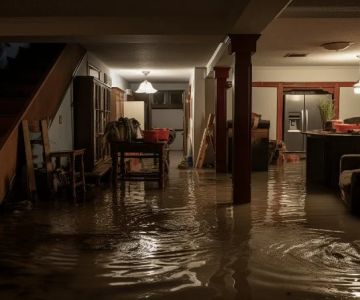
- Standing Water in the Basement: If you notice standing water in the basement or near the foundation, it’s a clear sign of water intrusion. This could be caused by poor drainage or plumbing leaks affecting the foundation.
- Doors and Windows That Stick: Difficulty in opening or closing doors and windows can be a sign that the foundation has shifted due to water damage. This happens when the foundation becomes uneven, causing structural misalignment.
3. Steps to Take When Water Affects Your Foundation
If you suspect that water has damaged your foundation, it’s important to take immediate action to prevent further damage and begin the repair process. Here are the steps to follow:
- Identify the Source of the Water: The first step is to identify where the water is coming from. Check for plumbing leaks, faulty downspouts, or issues with the grading around your home that may be allowing water to pool near the foundation. Addressing the source of the water is critical to stopping future damage.
- Remove Standing Water: If there’s standing water in your basement or near the foundation, it’s essential to remove it as soon as possible. Use a wet vac or pump to get rid of the water and prevent it from further soaking into the foundation.
- Seal Cracks and Gaps: Once you’ve identified the source of the water, inspect your foundation for any visible cracks or gaps. Use hydraulic cement or a similar sealant to close these cracks, preventing water from entering the foundation in the future.
- Improve Drainage Around Your Home: Proper drainage is essential for keeping water away from the foundation. Ensure that your gutters, downspouts, and landscape grading are directing water away from your home. Installing a French drain or sump pump system may also help manage water flow around the foundation.
4. How to Prevent Future Water Damage to Your Foundation
Once you’ve addressed immediate water damage, the next step is to take preventive measures to avoid future issues. Here are some tips for safeguarding your foundation from water damage:
- Regularly Maintain Your Gutters and Downspouts: Clean gutters and downspouts at least twice a year to ensure they’re functioning properly. Clogged gutters can lead to water overflow, which can seep into the foundation.
- Install a Sump Pump: If you live in an area with heavy rainfall or high water tables, a sump pump can be a great investment. It helps to pump out water that collects around your foundation, preventing water damage.
- Grade Your Landscape Away from the Foundation: Make sure that the ground around your home slopes away from the foundation. Proper grading helps direct water away from the home and prevents pooling around the foundation.
- Check for Plumbing Leaks Regularly: Periodically inspect your home for plumbing leaks, as even small leaks can cause long-term water damage to the foundation. If you notice any issues, fix them promptly to avoid bigger problems.
5. When to Call a Professional for Foundation Repair
If the damage to your foundation is severe or you are unable to address it yourself, it’s time to call a professional foundation repair specialist. A trained expert can evaluate the extent of the damage, identify the cause, and recommend the best course of action for repair.
In some cases, foundation damage may require more extensive repairs, such as underpinning or the installation of piers to stabilize the foundation. A professional will have the tools and expertise to ensure that the repair work is done correctly and that your home’s structural integrity is restored.
For more guidance on foundation repair and products to prevent water damage, visit Reliable Damage Hub, where you can find expert advice and resources to address your home’s foundation issues.
 Crawlspace Remediation LLC4.0 (99 reviews)
 Water Damage Removal Suffolk County5.0 (8 reviews)
 Insider Investigations0.0 (0 reviews)
 ServiceMaster Today5.0 (2 reviews)
 Frontier Foundation & Crawl Space Repair4.0 (90 reviews)
 DRYmedic Restoration Services of Parker Colorado5.0 (47 reviews)
 What to Do If Your Water Damage Is Caused by an Appliance: Step-by-Step Guide
 What’s the Best Way to Repair Water-Damaged Drywall? – Expert Guide
 Signs You Need Immediate Water Damage Repair
 How to Restore Water-Damaged Upholstery - Expert Tips and Solutions
 Water Damage Restoration After Storm Damage: Step-by-Step
 What Are the Signs of Water Damage That Homeowners Often Miss?