
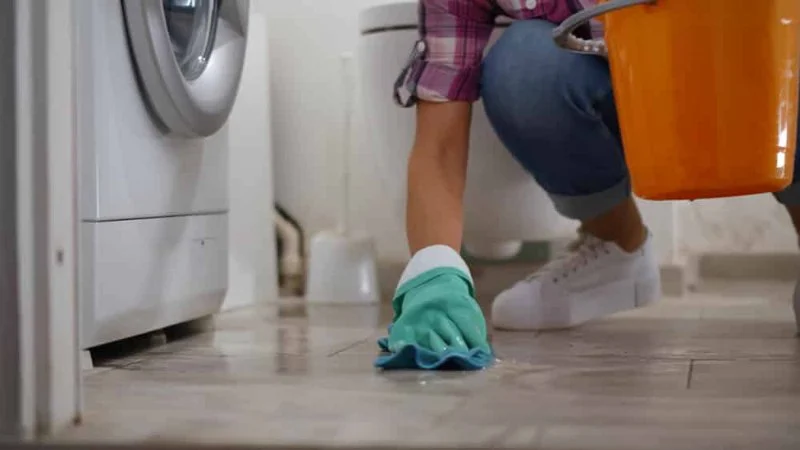
How to Prevent Water Damage From Leaky Appliances
Water damage from leaky appliances is one of the most common and costly household problems. It can result in significant damage to walls, floors, furniture, and even cause mold growth if not addressed promptly. In this guide, we’ll explore how you can prevent water damage from leaky appliances, keeping your home safe, dry, and free of costly repairs. Whether you own a washing machine, refrigerator, or dishwasher, following these essential steps will help protect your home from water damage.
- 1. Regular Inspection and Maintenance of Appliances
- 2. Recognizing the Signs of Leaky Appliances
- 3. Steps to Take If You Discover a Leak
- 4. Water Detection Systems: A Smart Solution
- 5. Choosing Reliable Appliances to Prevent Leaks
1. Regular Inspection and Maintenance of Appliances
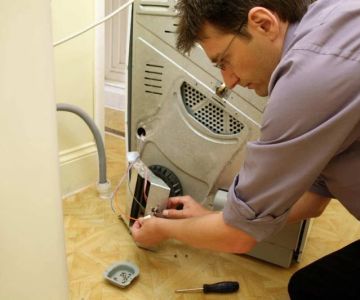
The first step in preventing water damage is to regularly inspect your appliances. Over time, parts of your appliances such as hoses, seals, and connections may wear down and become prone to leaking. Regular maintenance can help catch issues early before they lead to significant water damage.

Wizard Restorations Inc / puroclean of san fernando
Rancho CucamongaSan Bernardino CountyCalifornia
10245 8th St, Rancho Cucamonga, CA 91730, USA
1.1 Inspecting Hoses and Connections
Check the hoses and water connections of appliances like your washing machine, refrigerator, and dishwasher for cracks, bulges, or wear. These parts are prone to deterioration over time, so it’s essential to inspect them every 6-12 months and replace them as needed.
Giants / dry kings restoration of san francisco
San FranciscoSan Francisco CountyCalifornia
685 Geary Blvd, San Francisco, CA 94102, USA
1.2 Clean and Replace Filters
Clogged filters in appliances can increase the chances of water backup or leakage. Regularly clean or replace the filters in your dishwasher, fridge, and washing machine to ensure they are functioning properly.
2. Recognizing the Signs of Leaky Appliances
Sometimes, leaks can be subtle, and it’s easy to overlook them until significant damage occurs. Knowing the early signs of a leaky appliance can help you take action before it’s too late.
2.1 Unusual Water Spots or Dampness
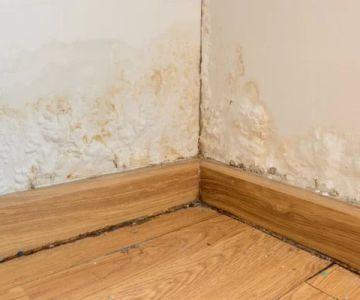
If you notice water spots, dampness, or pooling water near any appliance, it could indicate a leak. Even minor leaks should be addressed immediately, as they can lead to more serious problems over time, such as mold growth and structural damage.
2.2 Musty Smells or Mold Growth
A musty odor or the appearance of mold in areas near appliances could also be a sign of a water leak. Mold thrives in damp environments, so it’s crucial to investigate the source and resolve the issue as soon as possible.
3. Steps to Take If You Discover a Leak
If you discover a leak, quick action is necessary to minimize the damage. Here are the steps to follow:
3.1 Turn Off the Water Supply
The first step is to turn off the water supply to the appliance. Most appliances will have a shut-off valve located near them. This will stop the flow of water and prevent further leakage.
3.2 Dry the Area and Check for Damage
Once the water supply is off, dry the affected area with towels or a wet-dry vacuum. Check for any visible water damage, such as stains on walls or floors, or warping of materials. If the damage is extensive, consider contacting a professional restoration company.
3.3 Contact a Professional if Necessary
If the leak is severe or if you cannot identify the source, it’s best to call a plumber or appliance technician. They will have the tools and expertise to assess and repair the issue safely.
4. Water Detection Systems: A Smart Solution
Installing water detection systems in areas prone to leaks is an effective way to prevent water damage. These systems use sensors to detect water and alert you to potential leaks before they cause significant damage.
4.1 Types of Water Leak Detectors
There are various types of water leak detectors available on the market, from basic stand-alone sensors to more advanced systems that integrate with your home’s smart devices. These systems can be placed near appliances, water heaters, and plumbing fixtures to alert you of leaks before they become a problem.
4.2 Benefits of Smart Water Leak Detectors
Smart leak detectors provide real-time alerts through your smartphone or home automation system, making it easier to take quick action and prevent significant damage. These systems can also be programmed to automatically shut off water supplies if a leak is detected, offering added peace of mind.
5. Choosing Reliable Appliances to Prevent Leaks
While regular maintenance and quick repairs are crucial, choosing high-quality, reliable appliances can also reduce the likelihood of leaks occurring in the first place.
5.1 Look for High-Quality Brands
When purchasing new appliances, choose reputable brands known for their reliability and durability. Well-made appliances are less likely to develop issues that can lead to leaks, saving you money and time in the long run.
5.2 Check Warranty and Support Options
Before buying an appliance, make sure it comes with a solid warranty and customer support. In case a leak does occur, having access to reliable customer service can help you resolve the issue quickly.
By taking proactive measures to prevent water damage from leaky appliances, you can protect your home from costly repairs and preserve its integrity. For more tips on maintaining your home and preventing damage, visit Reliable Damage Hub today.

 Good Roads Water Damage Experts5.0 (1 reviews)
 R&R Foundation Specialist4.0 (305 reviews)
 MJ White4.0 (102 reviews)
 ATI Restoration3.0 (25 reviews)
 Modernistic4.0 (251 reviews)
 ServiceMaster Cleaning Services4.0 (27 reviews)
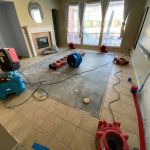 Water Damage Restoration for Retail Spaces – Expert Tips and Real Cases
 How to Prevent and Repair Water Damage in Commercial Properties
 How to Protect Your Home’s Electrical System from Water Damage: Essential Tips
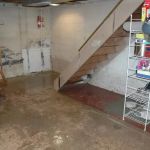 Flooded Basement? Here’s How to Restore It Safely
 How to Handle Water Damage After a Storm: A Step-by-Step Guide
 How to Handle Water Damage from Burst Pipes: A Step-by-Step Guide