
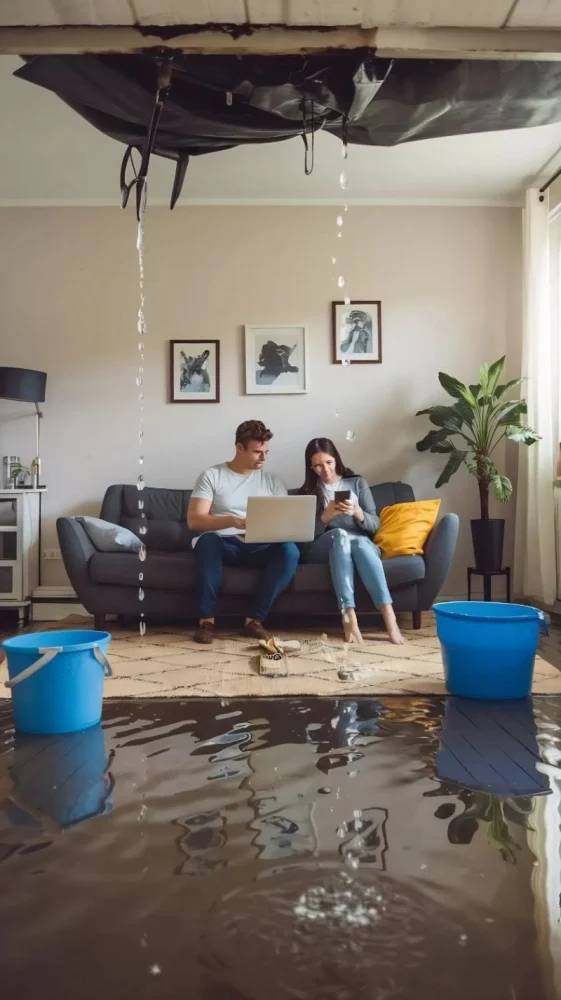
- 1- Immediate Actions to Take
- 2- Stop the Source of Water
- 3- Assess the Damage
- 4- Clean Up and Dry the Area
- 5- Repair or Replace the Appliance
- 6- When to Call for Professional Help
1. Immediate Actions to Take
Water damage caused by an appliance can be a stressful and overwhelming situation. It’s crucial to act quickly to minimize the damage and prevent further issues. The following steps will guide you through the initial actions you need to take if your appliance causes water damage in your home.
First, assess the situation to ensure your safety. Avoid walking through standing water if electrical appliances or outlets are nearby. The next crucial step is to stop the water from spreading and mitigate further damage.
SERVPRO of Pompano Beach / servpro of santa maria
Pompano BeachBroward CountyFlorida
2101 NW 33rd St #200a, Pompano Beach, FL 33069, USA
2. Stop the Source of Water
The first step in addressing appliance-related water damage is to stop the source of water. Follow these steps:
2.1. Turn Off the Appliance: If the appliance is still running, such as a washing machine, dishwasher, or refrigerator with an ice maker, turn it off immediately to prevent more water from leaking.
2.2. Shut Off the Water Supply: Many appliances are connected to a water supply that can be turned off at the valve. For example, if a dishwasher or washing machine is leaking, locate the water shutoff valve and turn it off to stop the flow of water.
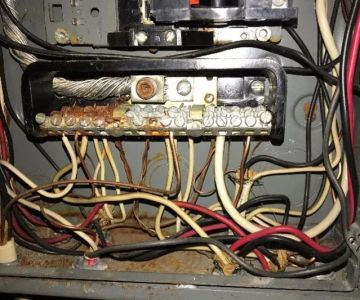
2.3. Turn Off the Power: If the leak has reached electrical outlets or appliances, turn off the power at the circuit breaker to avoid electrical shock or fire hazards. Always prioritize safety first.
3. Assess the Damage
Once the water source has been stopped, it’s time to assess the damage. By evaluating the extent of the water damage early, you can determine the best course of action. Here’s what you should do:
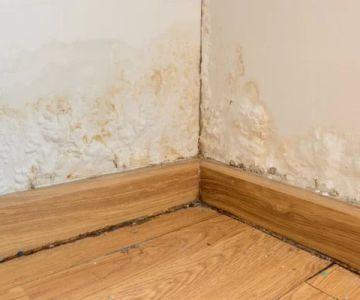
3.1. Inspect the Affected Areas: Check the areas around the appliance for visible water damage. Look for signs of damp flooring, walls, or ceilings. The longer water sits, the greater the potential for structural damage.
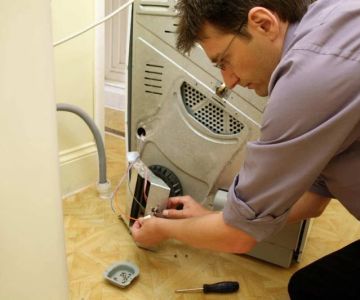
3.2. Identify the Source of the Leak: In some cases, you may need to investigate the appliance to determine how and where the leak is originating. For example, it could be due to a broken hose, faulty valve, or clogged drain. Identifying the cause will help you decide whether to repair the appliance or replace it.
3.3. Document the Damage: Take photos or videos of the damage for insurance purposes. This documentation will be helpful when filing a claim or seeking professional help.
4. Clean Up and Dry the Area
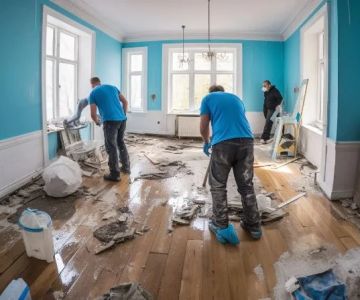
Once you’ve assessed the damage, it’s time to begin the cleanup process. Water can spread quickly, and the longer it stays, the more potential there is for mold growth and structural damage. Here are the steps for cleaning up:
4.1. Remove Standing Water: Use a wet/dry vacuum to remove as much water as possible from the affected area. The quicker you act, the less damage the water will cause.
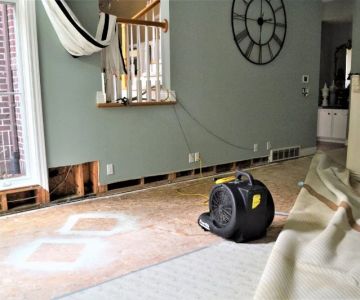
4.2. Dry the Area: After the standing water is gone, it’s important to dry out the space completely. Use fans, dehumidifiers, and open windows to help the drying process. Be sure to dry all affected areas, including floors, walls, and furniture, to prevent mold and mildew from forming.
4.3. Clean and Disinfect Surfaces: After drying, clean and disinfect any surfaces that came in contact with the water. This helps prevent bacteria and mold growth from spreading, especially in areas like the kitchen or bathroom.
5. Repair or Replace the Appliance
Now that the area is clean and dry, it’s time to address the appliance itself. You have two main options depending on the severity of the damage:
5.1. Repair the Appliance: If the issue is minor, such as a broken hose or valve, it might be possible to repair the appliance. If you're unsure how to fix it, consider contacting a professional to avoid causing further damage.
5.2. Replace the Appliance: If the appliance is older or the damage is too extensive, replacing it may be a more cost-effective option. Consider purchasing a newer, energy-efficient model to prevent future problems and save on energy bills.
6. When to Call for Professional Help
If the water damage is extensive, or if you’re not comfortable handling the cleanup and repairs yourself, it’s essential to call for professional help. Here are situations where professional help is necessary:
6.1. Severe Water Damage: If the water damage has affected a large area of your home, or if there are signs of structural damage, it’s time to call a water damage restoration company. These experts can assess the situation and provide the necessary cleanup and restoration services.
6.2. Mold Concerns: If you notice any signs of mold growth after the water damage, it’s crucial to call a professional mold remediation service. Mold can spread quickly and cause health issues, so it’s best to handle it immediately.
6.3. Insurance Claims: If you plan to file an insurance claim for water damage, a professional restoration company can help with the documentation and repair process, ensuring you get the maximum coverage possible.
 Good Roads Water Damage Experts5.0 (1 reviews)
 R&R Foundation Specialist4.0 (305 reviews)
 MJ White4.0 (102 reviews)
 ATI Restoration3.0 (25 reviews)
 Modernistic4.0 (251 reviews)
 ServiceMaster Cleaning Services4.0 (27 reviews)
 Water Damage Restoration for Retail Spaces – Expert Tips and Real Cases
 How to Prevent and Repair Water Damage in Commercial Properties
 How to Protect Your Home’s Electrical System from Water Damage: Essential Tips
 Flooded Basement? Here’s How to Restore It Safely
 How to Handle Water Damage After a Storm: A Step-by-Step Guide
 How to Handle Water Damage from Burst Pipes: A Step-by-Step Guide