
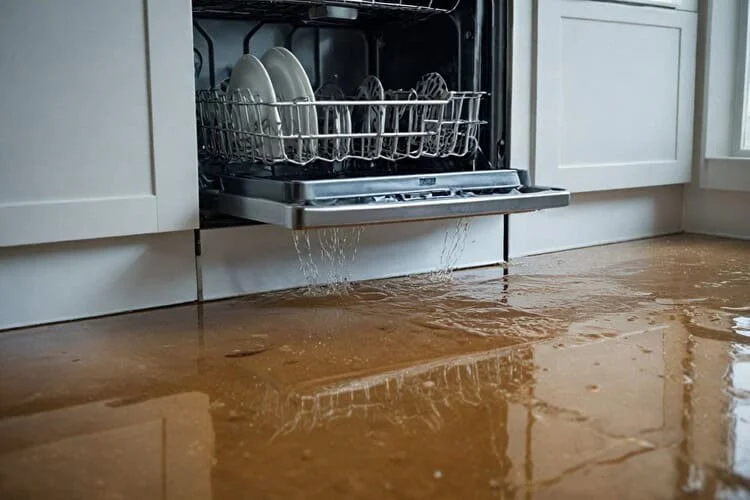
Understanding the Problem of Water Damage from a Leaky Dishwasher
Dishwashers are a convenience in many homes, but a leaky dishwasher can cause serious water damage to your kitchen and surrounding areas. Water can seep into floors, cabinets, and walls, leading to costly repairs if not addressed quickly. Understanding how to identify and manage water damage from a leaky dishwasher is crucial for preventing further damage and maintaining your kitchen's integrity.

Wizard Restorations Inc / puroclean of san fernando
Rancho CucamongaSan Bernardino CountyCalifornia
10245 8th St, Rancho Cucamonga, CA 91730, USA
Common Causes of a Dishwasher Leak
There are several reasons why a dishwasher might leak, and identifying the cause is the first step toward fixing the issue. Here are some of the most common causes:

Kustom US Restoration / kustom restoration
1215 W Houston Ave Suite A, Gilbert, AZ 85233, USA
1. Door Seal or Gasket Issues
The door seal or gasket is designed to prevent water from leaking out of the dishwasher during a wash cycle. Over time, this seal can wear out, crack, or become misaligned, leading to water escaping from the dishwasher. A damaged seal is one of the most common causes of leaks.
Solution: Inspect the door seal for visible signs of wear and replace it if necessary. You can find replacement seals at home improvement stores or online.
2. Clogged or Damaged Hoses
The hoses that carry water into and out of the dishwasher can become clogged with debris or damaged from wear and tear. If a hose is leaking, it can result in water spilling onto the floor or into other areas of your kitchen.
Solution: Check the hoses for any cracks, holes, or blockages. If you find any issues, replace the hoses or clear the blockages. Ensure the hoses are securely connected and free from leaks.
3. Faulty Sump Pump or Water Valve
A malfunctioning sump pump or water valve can cause your dishwasher to leak. The sump pump is responsible for draining water from the dishwasher, and if it’s not working properly, water can accumulate and leak out. Similarly, a defective water valve may allow water to escape during the wash cycle.
Solution: If you suspect a faulty pump or valve, it may be necessary to call a professional to inspect and replace these components. Regular maintenance can prevent these issues from occurring.
Steps to Deal with Water Damage from a Leaky Dishwasher
Once you’ve identified the source of the leak, it’s time to take action to prevent further damage and repair any existing water damage. Here’s a step-by-step guide to handling the situation:
1. Turn Off the Water Supply
The first and most important step when dealing with a leaking dishwasher is to turn off the water supply. You can usually do this by shutting off the valve under the sink or at the dishwasher itself. This will stop the flow of water and prevent further damage from occurring.
2. Remove Standing Water
If there is any standing water around the dishwasher, use towels, a mop, or a wet/dry vacuum to remove it. It’s essential to act quickly to prevent the water from soaking into the floor, cabinets, or walls, as this can lead to mold growth and long-term structural damage.
3. Inspect the Area for Water Damage
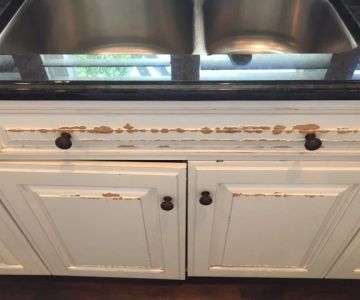
Once the water has been removed, carefully inspect the surrounding area for any signs of water damage. Look for warped wood, discoloration, or mold. Pay particular attention to the floor, baseboards, and nearby cabinetry, as water can easily seep into these areas.
Solution: If you notice significant water damage, it may be necessary to replace affected materials or call in a professional restoration service to assess the damage.
4. Dry the Area Thoroughly
After cleaning up the water, it’s crucial to thoroughly dry the affected area. Use fans, dehumidifiers, and open windows to improve airflow and speed up the drying process. This will help prevent mold growth and minimize long-term damage to your kitchen.
5. Repair or Replace the Dishwasher Parts
Once the area is dry, address the source of the leak. Whether it's a damaged door seal, clogged hose, or faulty pump, make the necessary repairs or replacements. If you're unsure how to fix the problem yourself, consider hiring a professional to avoid further complications.
6. Test the Dishwasher
After completing the repairs, run the dishwasher through a short cycle to ensure that the leak has been fixed. Keep an eye on the dishwasher while it's running to make sure no water is escaping. If the leak persists, you may need to revisit the problem or consult a professional technician.
Preventing Future Leaks and Water Damage
To avoid future water damage from a leaky dishwasher, regular maintenance is key. Here are some tips for preventing leaks:
1. Regularly Check the Door Seal
Inspect the door seal periodically for any cracks, tears, or signs of wear. Replacing the seal at the first sign of damage can prevent leaks from occurring.
2. Maintain the Hoses and Pipes
Check the dishwasher hoses and pipes for any signs of wear, leaks, or blockages. Ensure they are securely connected and replace them if necessary. Regular maintenance can extend the life of your dishwasher and prevent unexpected leaks.
3. Hire a Professional for Regular Inspections
Consider scheduling regular inspections of your dishwasher with a professional. A trained technician can identify potential problems early, saving you from costly repairs and water damage in the future.
If you need help with water damage or dishwasher repairs, visit Reliable Damage Hub for trusted products, services, and expert advice to keep your home safe and damage-free.


 Stanley Steemer4.0 (468 reviews)
 SERVPRO of Cypress4.0 (412 reviews)
 SERVPRO of Babylon/Deer Park4.0 (77 reviews)
 Stanley Steemer4.0 (731 reviews)
 Mainato Restoration4.0 (44 reviews)
 Superior Flood Restoration Inc1.0 (1 reviews)
 How to Prevent Water Damage From Leaky Appliances
 How to Handle Water Damage from Washing Machines: Causes, Repairs & Prevention
 How to Deal With Water Damage From Roof Ice Dams
 Water Damage Repair for Carpets and Rugs: How to Fix and Restore
 How to Dry Out Your Home After Water Damage: A Complete Guide
 Restoring Water-Damaged Electronics: What Works and What Doesn’t