
- 1 - Immediate Steps After a Burst Water Heater
- 2 - Assessing the Extent of Water Damage
- 3 - Drying and Cleanup Process
- 4 - Preventing Mold Growth
- 5 - Repair and Restoration Considerations
- 6 - Insurance and Financial Aspects
- 7 - Real-World Case Study
- 8 - Final Advice for Homeowners
1. Immediate Steps After a Burst Water Heater
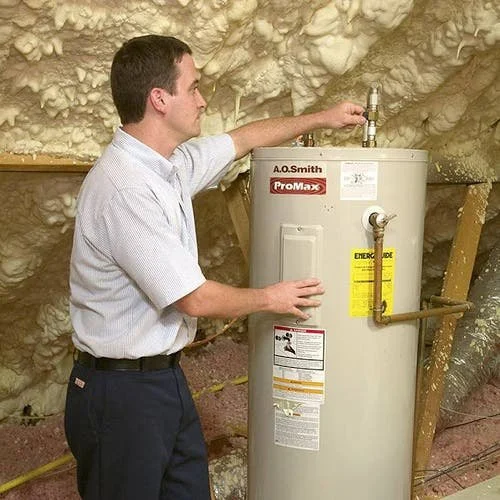
When a water heater bursts, every second counts. The first step is to turn off the water supply to stop the flooding. Next, shut off the power supply—whether it’s electricity or gas—to prevent further hazards. Homeowners often panic during these moments, but staying calm and following these basic steps can prevent further structural damage and ensure safety.
Having an emergency plan in place can help. Keep a wrench or shut-off tool handy so you can act quickly if a water heater failure happens without warning.

Kustom US Restoration / kustom restoration
1215 W Houston Ave Suite A, Gilbert, AZ 85233, USA
2. Assessing the Extent of Water Damage
Once the water flow is under control, it’s time to evaluate how far the water has spread. Burst water heaters can release dozens of gallons, flooding basements, damaging floors, and soaking insulation. Check walls, carpets, and furniture for signs of saturation. The faster you identify affected areas, the better your chances of salvaging them.
In many American households, basements are storage hubs, which means important belongings are often at risk. Taking photos and documenting the damage is essential, especially for insurance claims.

Drip Restoration / valleywide restoration mesa az
932 S Stapley Dr, Mesa, AZ 85204, USA
3. Drying and Cleanup Process
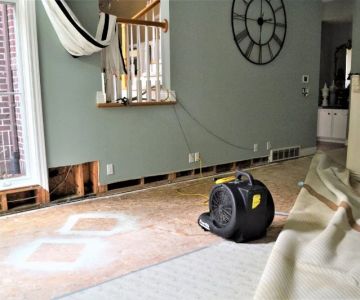
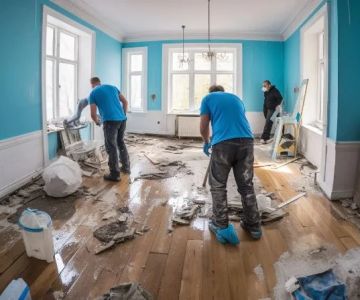
Drying out the property is one of the most crucial steps. Use wet/dry vacuums to remove standing water and set up fans or dehumidifiers to dry surfaces. Opening windows for ventilation can also help, but in humid climates, dehumidifiers are more effective. Carpets, rugs, and upholstered furniture often require professional cleaning or replacement.
This is where Reliable Damage Hub can provide guidance and products to make cleanup more manageable, from heavy-duty fans to moisture detection tools.
4. Preventing Mold Growth
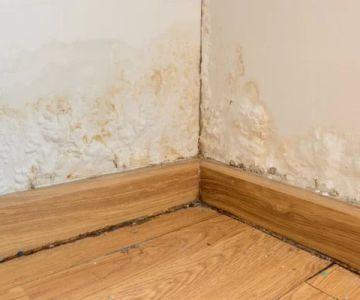
Mold can start growing within 24 to 48 hours after water exposure. That’s why thorough drying is not optional—it’s mandatory. Pay attention to hidden spaces like behind walls and under flooring, as these areas often trap moisture. Mold not only damages property but also poses serious health risks, especially for children and elderly family members.
Professional inspections and mold remediation services may be necessary if the water heater flood was severe. Homeowners should never ignore early signs of mildew odor or discoloration.
5. Repair and Restoration Considerations
After the initial cleanup, homeowners need to think about repairing the water heater and restoring their property. Depending on the age of the heater, replacement might be more cost-effective than repair. Floors, drywall, and insulation damaged by water will likely need replacement as well. Acting quickly ensures the structural integrity of the home is preserved.
Reliable Damage Hub connects homeowners with trusted contractors and suppliers for both water heater replacement and home restoration materials.
6. Insurance and Financial Aspects
Many homeowners’ insurance policies cover sudden water damage from burst water heaters, but the fine print matters. Wear and tear or lack of maintenance may limit coverage. Always call your insurance company as soon as the incident occurs, provide documentation, and ask about temporary housing if your property is uninhabitable.
Some insurers may even recommend certified contractors for repairs, streamlining the restoration process. Keeping receipts for every expense ensures smoother reimbursement.
7. Real-World Case Study
In 2022, a widely shared story online described a family in Texas who experienced a catastrophic water heater burst during a winter storm. Their basement flooded within minutes, destroying family heirlooms and expensive electronics. However, because they acted quickly—turning off the water, calling emergency services, and documenting everything—their insurance covered most of the restoration costs. The case highlighted the importance of fast action and proper documentation.
It also demonstrated how professional guidance from damage recovery services can make the difference between financial ruin and a manageable repair process.
8. Final Advice for Homeowners
Handling water damage from a burst water heater can feel overwhelming, but preparation and knowledge go a long way. By acting quickly, thoroughly drying your home, preventing mold, and seeking professional help when necessary, you protect both your property and your family’s health. Understanding insurance policies and knowing when replacement is better than repair will save you both time and money.
For homeowners looking for reliable products, services, and trusted advice, Reliable Damage Hub remains a valuable resource to guide you through both prevention and recovery steps.
 Good Roads Water Damage Experts5.0 (1 reviews)
 R&R Foundation Specialist4.0 (305 reviews)
 MJ White4.0 (102 reviews)
 ATI Restoration3.0 (25 reviews)
 Modernistic4.0 (251 reviews)
 ServiceMaster Cleaning Services4.0 (27 reviews)
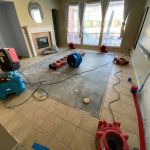 Water Damage Restoration for Retail Spaces – Expert Tips and Real Cases
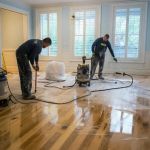 How to Prevent and Repair Water Damage in Commercial Properties
 How to Protect Your Home’s Electrical System from Water Damage: Essential Tips
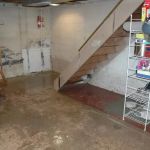 Flooded Basement? Here’s How to Restore It Safely
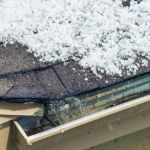 How to Handle Water Damage After a Storm: A Step-by-Step Guide
 How to Handle Water Damage from Burst Pipes: A Step-by-Step Guide