- 1. Understanding Water Damage from HVAC Systems
- 2. Common Causes of Water Damage in HVAC Systems
- 3. Signs of Water Damage from Your HVAC System
- 4. Preventing Water Damage in HVAC Systems
- 5. How to Repair Water Damage from HVAC Systems
- 6. Conclusion
1. Understanding Water Damage from HVAC Systems
Water damage caused by HVAC systems is a common issue that homeowners may face. Whether it’s a slow leak or a more significant flood, water damage can lead to costly repairs and severe structural damage. HVAC systems, particularly air conditioners and dehumidifiers, often use water in their operation, and when these systems malfunction, the results can be messy. In this guide, we will explore the causes of HVAC-related water damage, how to identify the problem, and what steps you can take to prevent or repair the damage.

Wizard Restorations Inc / puroclean of san fernando
Rancho CucamongaSan Bernardino CountyCalifornia
10245 8th St, Rancho Cucamonga, CA 91730, USA
2. Common Causes of Water Damage in HVAC Systems
There are several common reasons why your HVAC system may cause water damage in your home. Understanding these causes is the first step toward preventing such issues.
- Clogged Condensate Drain Line: One of the most frequent causes of water damage is a clogged condensate drain line. The condensate drain removes the moisture that is collected by your air conditioning unit. If the line becomes clogged, the water may overflow and leak inside your home.
- Damaged or Dirty Air Filters: When air filters are clogged or dirty, it can reduce airflow, causing the system to freeze up. When the ice melts, the resulting water can leak into areas it shouldn’t be.
- Faulty Pump: Many modern HVAC systems use a pump to push water out of the unit. If the pump malfunctions, water can accumulate in the system and lead to leakage.
- Leaking Ductwork: Water may also leak into your HVAC system from the ducts, especially if the ducts are improperly sealed or have holes in them.
3. Signs of Water Damage from Your HVAC System
If you suspect your HVAC system might be causing water damage, look for these signs:
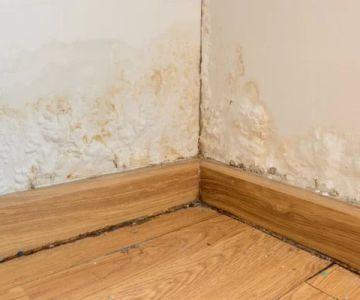
- Water Stains on Ceilings or Walls: The most obvious sign of water damage is visible water stains on the ceiling or walls near the HVAC unit.
- Musty Odors: A musty or damp smell in the air could indicate mold growth due to prolonged exposure to moisture from the HVAC system.
- Increased Humidity: If you notice the air feels unusually humid or damp inside your home, it might be due to water leaking from your HVAC system.
- Pooling Water Around the Unit: Water pooling around the base of your HVAC system, especially near the furnace or air conditioning unit, is a clear indication of a water leak.
4. Preventing Water Damage in HVAC Systems
While some degree of water is normal for an HVAC system, preventing water damage requires regular maintenance and a few preventative steps. Here’s how you can avoid potential problems:
- Regularly Clean and Maintain Condensate Drains: Schedule regular cleaning of the condensate drain line to prevent clogs. This can often be done by a professional during routine maintenance.
- Change Air Filters Regularly: Replace your air filters every 1-3 months to prevent blockages and ensure your system is running efficiently.
- Inspect Ductwork: Check for leaks or signs of damage in your ductwork, and ensure all connections are properly sealed to prevent water from seeping into the system.
- Monitor Humidity Levels: Make sure the humidity in your home is balanced. Use a dehumidifier if necessary to prevent excess moisture buildup in your HVAC system.
5. How to Repair Water Damage from HVAC Systems
If you’ve already experienced water damage from your HVAC system, don’t panic. Here’s how to repair the damage:
- Turn Off the System: The first thing you should do is turn off the HVAC system to prevent further damage or electrical issues.
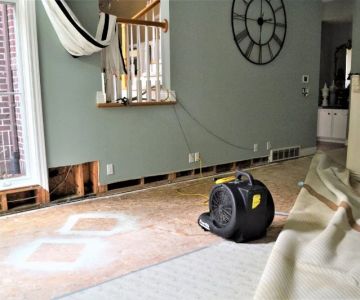
- Dry Affected Areas: Use fans or dehumidifiers to dry out any affected areas, such as walls or ceilings. It's important to remove excess moisture to prevent mold growth.
- Call a Professional: If you find significant water damage, it’s best to contact a professional plumber or HVAC technician. They can inspect the system, fix any underlying issues, and ensure everything is working properly.
- Replace Damaged Materials: In some cases, drywall or flooring may need to be replaced if the water has caused substantial damage. A professional contractor can help with repairs.
6. Conclusion
Water damage from HVAC systems is a serious issue that can lead to expensive repairs if left unchecked. By understanding the common causes, recognizing the signs early, and following a routine maintenance plan, you can significantly reduce the risk of water damage in your home. Remember, if water damage occurs, it’s important to act quickly and, when necessary, seek professional help to repair the damage and prevent further issues. If you're dealing with HVAC-related water damage, consider visiting Reliable Damage Hub for expert recommendations and services to help restore your home to its former condition.
 Good Roads Water Damage Experts5.0 (1 reviews)
 R&R Foundation Specialist4.0 (305 reviews)
 MJ White4.0 (102 reviews)
 ATI Restoration3.0 (25 reviews)
 Modernistic4.0 (251 reviews)
 ServiceMaster Cleaning Services4.0 (27 reviews)
 Water Damage Restoration for Retail Spaces – Expert Tips and Real Cases
 How to Prevent and Repair Water Damage in Commercial Properties
 How to Protect Your Home’s Electrical System from Water Damage: Essential Tips
 Flooded Basement? Here’s How to Restore It Safely
 How to Handle Water Damage After a Storm: A Step-by-Step Guide
 How to Handle Water Damage from Burst Pipes: A Step-by-Step Guide