
- 1. Signs of Water Damage in Basement Walls
- 2. Common Causes of Water Damage in Basement Walls
- 3. How to Inspect Your Basement Walls for Water Damage
- 4. Dealing with Mold and Mildew in Basement Walls
- 5. Steps to Prevent Water Damage in Basement Walls
- 6. What to Do If You Discover Water Damage in Your Basement Walls
- 7. Why Reliable Damage Hub Can Help with Basement Water Damage Repairs
1. Signs of Water Damage in Basement Walls
Water damage in basement walls is a common issue faced by homeowners, especially in areas with frequent rain or high groundwater levels. The key to preventing further damage is early identification. Here are the most common signs of water damage in basement walls:
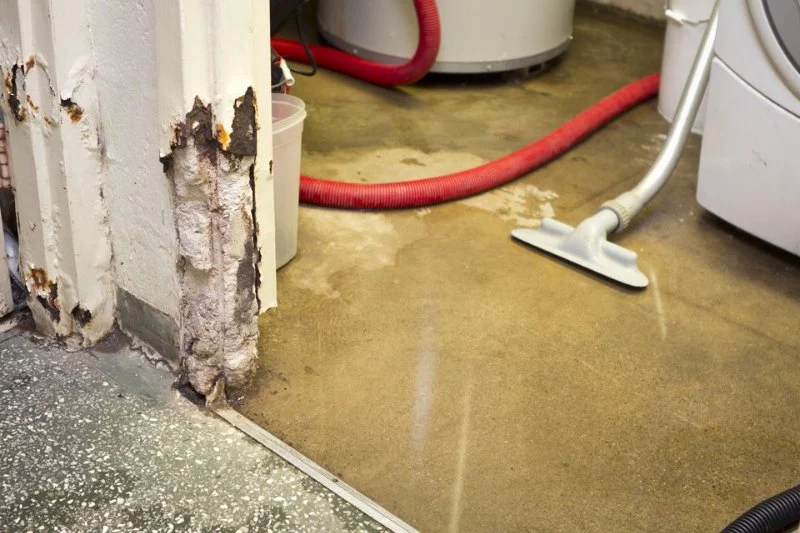
- Discoloration: If your basement walls have dark spots or stains, it could be a sign of water infiltration.
- Peeling Paint or Wallpaper: Water can cause paint or wallpaper to peel or bubble, indicating moisture behind the surface.
- Mold or Mildew Growth: Visible mold or mildew on basement walls is a clear sign of excessive moisture.
- Musty Odor: A musty smell often accompanies water damage, as stagnant water promotes the growth of mold and mildew.
2. Common Causes of Water Damage in Basement Walls
Understanding the common causes of water damage in basement walls can help you prevent future issues. Some of the main causes include:
- Poor Drainage: If your home’s foundation lacks proper drainage, water can pool around the basement walls and seep in.
- Cracks in the Foundation: Over time, foundation cracks can allow water to enter your basement, leading to water damage.
- High Water Table: In areas where the water table is high, groundwater can seep into the basement, especially during periods of heavy rain.
- Clogged Gutters: Blocked gutters can cause water to overflow, trickling down the exterior walls and entering the basement.
3. How to Inspect Your Basement Walls for Water Damage
To detect water damage in your basement walls, follow these inspection steps:
- Check for Visible Signs: Start by looking for any discoloration, peeling paint, or mold on the walls.
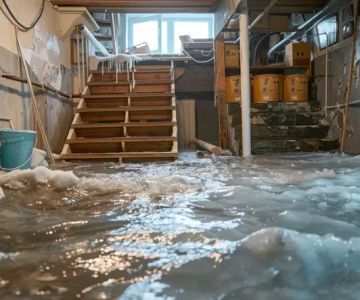
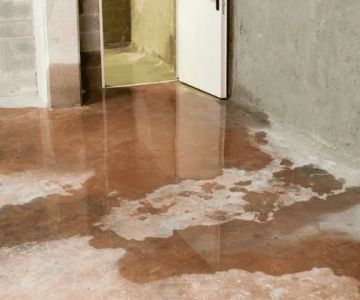
- Inspect the Floor: Examine the basement floor for water stains or dampness, which can indicate water seepage from the walls.
- Look for Cracks: Inspect the foundation for any visible cracks where water may enter.
- Use a Moisture Meter: If you suspect water damage, use a moisture meter to measure the moisture levels in your basement walls.
4. Dealing with Mold and Mildew in Basement Walls
If you discover mold or mildew in your basement, it’s important to act quickly. Mold can cause health issues and structural damage if left untreated. Here’s how to handle it:
- Clean the Affected Area: Use a mixture of bleach and water to scrub mold and mildew from affected walls.
- Ventilate the Basement: Ensure proper ventilation by opening windows or using dehumidifiers to dry out the area.
- Repair the Source of Moisture: Identify and fix the underlying cause of the moisture to prevent future mold growth.
5. Steps to Prevent Water Damage in Basement Walls
Prevention is the best way to avoid costly water damage repairs. Here are some steps to protect your basement walls from water damage:
- Ensure Proper Drainage: Install a sump pump and maintain proper drainage around your home’s foundation.
- Seal Foundation Cracks: Regularly inspect your foundation and seal any cracks to prevent water infiltration.
- Maintain Gutters and Downspouts: Clean your gutters and downspouts regularly to ensure water flows away from your basement.
- Install a Vapor Barrier: Consider installing a vapor barrier on your basement walls to prevent moisture from seeping in.
6. What to Do If You Discover Water Damage in Your Basement Walls
If you find signs of water damage in your basement, it's essential to take action immediately. Here’s what you should do:
- Assess the Extent of the Damage: Determine how severe the water damage is and whether it requires professional help.
- Call a Professional: If the damage is significant, contact a professional water damage restoration company for help.
- Document the Damage: Take photos of the damage for insurance purposes.
7. Why Reliable Damage Hub Can Help with Basement Water Damage Repairs
When dealing with water damage in your basement, it’s important to work with experts. Reliable Damage Hub offers comprehensive water damage repair services, including foundation crack sealing, mold remediation, and sump pump installation. Visit Reliable Damage Hub for more information on how we can help restore your basement and prevent future water damage.
 Preferred Home Improvements4.0 (51 reviews)
 COIT Cleaning and Restoration4.0 (97 reviews)
 Gold Star Restoration5.0 (1 reviews)
 SERVPRO of San Jacinto/Idyllwild/Lakeview4.0 (66 reviews)
 Ed Lampl Environmental and Home Inspections4.0 (255 reviews)
 Perfect Timing Restoration4.0 (7 reviews)
 How to Identify and Fix Water Damage in Your Home’s HVAC System | Reliable Damage Hub
 How to Handle Water Damage From Roof Flashing Failures
 Water Damage Restoration After Sewer Flooding: What You Need to Know
 Water Damage Repair for Insulation in Walls
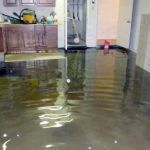 What to Do if Your House is Flooded from a Broken Pipe | Reliable Damage Hub
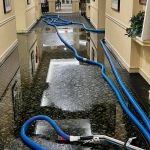 The Role of a Water Damage Restoration Professional in Your Home Repairs