
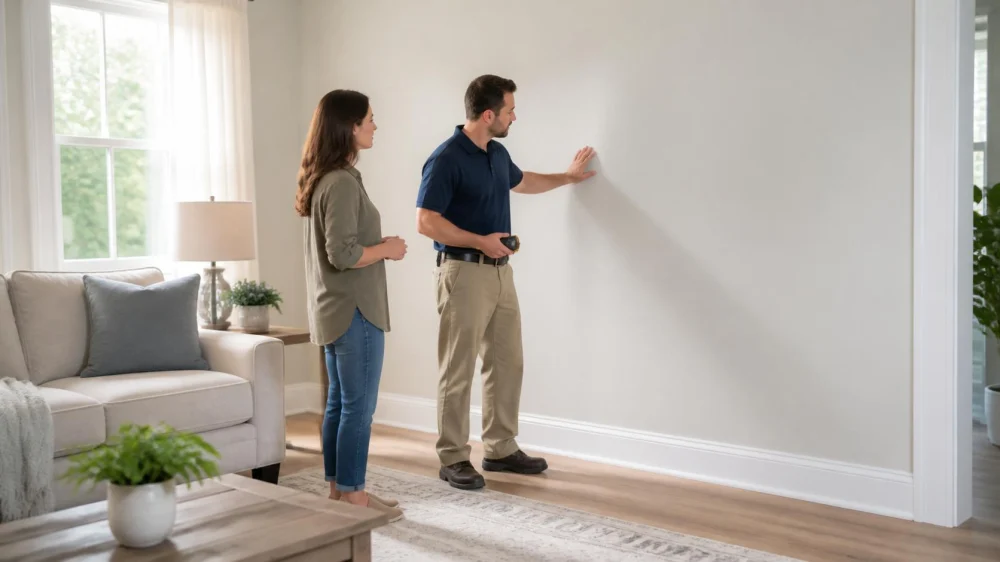
Water Damage Restoration Handoff: Verify Before Sign-Off
On this page
Quick answer
Before signing off on water damage restoration, compare the completed work with the written scope and change orders. Ask for drying and moisture records, photos, a list of materials removed or retained, cleaning details, repair documentation, warranties, and unresolved items. Inspect safely for visible damage, odor, dust, loose finishes, and operating problems, then document concerns before final payment.
Giants / dry kings restoration of san francisco
San FranciscoSan Francisco CountyCalifornia
685 Geary Blvd, San Francisco, CA 94102, USA
What a restoration handoff should accomplish
A restoration handoff is the point when the contractor explains completed drying, cleaning, removal, repair, and monitoring work and transfers records and remaining responsibilities. It should make the condition and scope understandable. It is not proof that every concealed assembly is perfect, that insurance will pay every charge, or that unrelated pre-existing problems were corrected.
This guide is for United States homeowners and property managers reviewing a residential water-damage project. Building codes, licensing, insurance coverage, contracts, contamination controls, drying goals, and repair responsibilities vary by location, material, water source, and project. Keep insurer decisions separate from whether contracted work is complete.
Drip Restoration / valleywide restoration mesa az
932 S Stapley Dr, Mesa, AZ 85204, USA
Documents and conditions to review
- The original scope, every approved change order, itemized invoice, payment history, responsible companies, and dates work started and ended.
- Source-control information and who remains responsible for plumbing, roofing, appliance, drainage, or other repairs outside restoration scope.
- Initial, progress, and final moisture or drying records with locations, materials, methods, dates, and the contractor's explanation of completion criteria.
- Photos and a clear list of materials removed, cleaned, dried in place, replaced, stored, discarded, or left for another contractor.
- Cleaning, containment, dust control, odor work, equipment removal, debris disposal, and any special handling related to the water source.
- Operation and appearance of affected floors, walls, ceilings, trim, cabinets, doors, outlets, fixtures, and nearby contents from a safe position.
- Warranties, care instructions, permit or inspection records, subcontractor documents, remaining repairs, monitoring dates, and contact process.
A practical sign-off walkthrough
- Schedule the walkthrough while the responsible project contact can answer questions and before releasing final payment when the contract allows.
- Bring the signed scope and change orders, then review each room and line item in the same order so omissions are easier to spot.
- Ask the contractor to explain drying records in plain language, including where readings were taken and why the stated endpoint was chosen.
- Look and smell from safe, accessible areas without opening walls, moving heavy objects, disturbing containment, or touching electrical components.
- Test ordinary functions only when safe and authorized, such as doors, drawers, visible fixtures, and finished surfaces; record defects with dated photos.
- Create one written punch list assigning each open item, responsible party, target date, access need, and verification method.
- Collect final records and written completion or warranty information, then confirm how to report recurrence or a newly discovered issue.
Keep the emergency report, source repair, contract, estimates, change orders, moisture logs, equipment records, photos, contents inventory, disposal approvals, permits, inspections, invoices, payments, warranties, punch list, and completion correspondence together. Preserve original file dates and back up important records securely.
Limits and safety boundaries
A dry-looking surface does not establish the condition inside every assembly, and a general odor cannot identify its source. Home moisture meters may not match professional equipment or material correction methods. Do not enter unsafe structures, touch wet electrical systems, disturb suspected asbestos or lead, open microbial containment, or sample contamination without qualified guidance.
Pause sign-off for active water, visible new damage, unsafe electrical conditions, structural movement, unexplained persistent odor, incomplete containment cleanup, missing contracted records, or work that materially differs from scope. Contact the appropriate qualified contractor, indoor-environment professional, inspector, insurer, adjuster, lawyer, or local authority for questions within that role.
Frequently asked questions
What should final drying records include?
Formats vary, but ask for dated locations, materials, readings or observations, methods, and an explanation of the contractor's completion criteria.
Should I sign if cosmetic repairs are still open?
Only after understanding what the document means. List open work and responsibility in writing and review payment and contract terms.
Does no visible moisture mean the project is dry?
Not necessarily. Surface appearance cannot confirm concealed assemblies, so review the contractor's documented assessment and methods.
Who fixes the original leak?
It depends on scope. Confirm in writing whether restoration, plumbing, roofing, appliance, or another contractor handled source repair.
What if an odor returns later?
Document when and where it appears, avoid masking it immediately, and contact the responsible contractor according to the warranty or follow-up process.
Sources and evidence
Use the signed contract and changes, contractor drying and project records, manufacturer care instructions, permit and inspection records, insurer correspondence, and qualified professional assessments for the actual building. General restoration practice supports documented endpoints and handoffs, but project-specific evidence determines completion.
Conclusion and next steps
Treat sign-off as a documented comparison between promised and completed work. Review scope, drying evidence, materials, cleaning, repairs, warranties, and open items room by room. Record concerns before final acceptance, assign follow-up in writing, and seek qualified review when hidden conditions, contamination, safety, or contract meaning remains uncertain.
 PRO CLEAN4.0 (16 reviews)
 Northeast Ohio Radon & Mold Solutions4.0 (59 reviews)
 BELFOR Property Restoration4.0 (6 reviews)
 Griffin's Family Painting4.0 (9 reviews)
 Roto-Rooter3.0 (39 reviews)
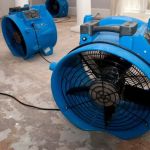 Mold Water Fire Damage Restoration5.0 (27 reviews)
 Water Damage Repair for Attics and Roof Spaces
 Water Damage Contractor Access: Plan Keys, Pets, and Updates
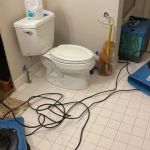 How to Handle Water Damage From Broken Toilets | Reliable Damage Hub
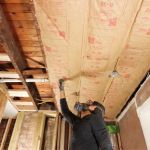 How to Dry Out Insulation After Ceiling Leaks: Complete Home Recovery Guide
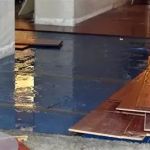 Signs You Need Immediate Water Damage Repair: Key Indicators
 How to Handle Water Damage From Roof Leaks – Expert Tips & Solutions