
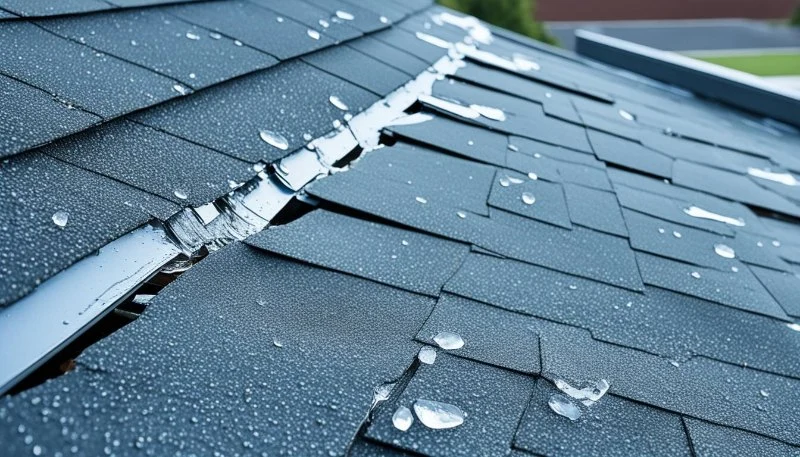
How to Handle Water Damage From Roof Leaks
- 1. Introduction
- 2. Identifying Water Damage from Roof Leaks
- 3. Immediate Actions to Take
- 4. Repair Options and Solutions
- 5. Preventing Future Roof Leaks
- 6. Final Steps and When to Call a Professional
1. Introduction
Water damage from roof leaks can be a homeowner’s worst nightmare. It can result in costly repairs, structural issues, and even health hazards due to mold and mildew growth. However, when dealt with promptly and correctly, the damage can often be mitigated. This guide will walk you through how to handle water damage caused by roof leaks, from identifying the issue to implementing repairs and preventing future leaks.
Giants / dry kings restoration of san francisco
San FranciscoSan Francisco CountyCalifornia
685 Geary Blvd, San Francisco, CA 94102, USA
2. Identifying Water Damage from Roof Leaks
The first step in handling water damage from roof leaks is identifying the signs. Roof leaks can manifest in a variety of ways, including:
Drip Restoration / valleywide restoration mesa az
932 S Stapley Dr, Mesa, AZ 85204, USA
2.1. Water Stains on Ceilings and Walls
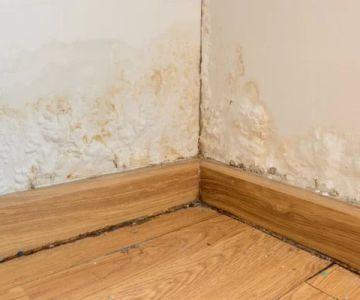
One of the most obvious signs of water damage is water stains on the ceiling or walls. These stains are usually yellow or brown in color and may be accompanied by peeling paint or wallpaper.
2.2. Dripping Water
If you notice water dripping from your ceiling or walls, it’s a clear indication that you have a roof leak. This is usually a sign that the leak is significant and may require immediate action.
2.3. Mold and Mildew Growth
Mold and mildew thrive in damp environments. If you notice a musty odor or see mold growth on your walls, ceiling, or floors, it’s likely caused by prolonged water exposure from a roof leak.
3. Immediate Actions to Take
Once you’ve identified water damage caused by a roof leak, it’s important to act quickly to minimize further damage. Here are some immediate steps you should take:
3.1. Contain the Leak
If the leak is actively dripping, contain the water by placing a bucket or container underneath the drip to catch the water. This will help prevent further water damage to your flooring or furniture.
3.2. Dry the Affected Area
Use towels, rags, or a wet vacuum to absorb as much water as possible. It’s important to dry the affected area quickly to prevent mold growth and further structural damage.
3.3. Remove Wet Materials
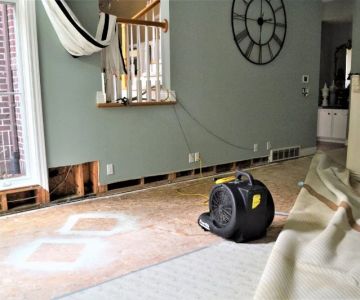
If your ceiling or walls have absorbed a significant amount of water, remove any wet insulation, drywall, or carpeting. These materials can hold moisture, which can lead to mold and mildew issues if not removed promptly.
4. Repair Options and Solutions
After addressing the immediate damage, the next step is to repair the roof and any internal damage caused by the leak. Depending on the severity of the issue, here are some repair options:
4.1. Roof Patching
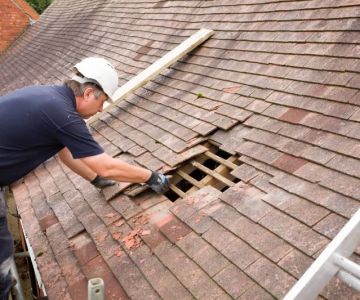
For small leaks, you may be able to patch the roof yourself with roofing cement or patches. This is typically a temporary solution until a more permanent fix can be made.
4.2. Roof Replacement
In cases where the roof is severely damaged or aging, you may need to replace sections of the roof or even the entire roof. This is especially true for flat roofs or older roofs with extensive wear and tear.
4.3. Water Damage Restoration
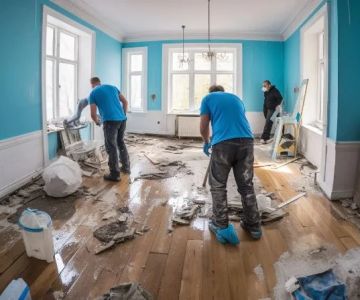
For the interior damage caused by water leaks, you may need to hire a professional water damage restoration service. These experts can help with drying, dehumidifying, and repairing any mold or mildew damage caused by prolonged water exposure.
5. Preventing Future Roof Leaks
Once the immediate damage has been dealt with, it’s essential to take steps to prevent future roof leaks. Here are some preventive measures to consider:
5.1. Regular Roof Inspections
Schedule regular roof inspections at least once a year, or more frequently if you live in an area with extreme weather conditions. A professional roofer can identify potential issues early and prevent costly repairs in the future.
5.2. Clean Gutters
Ensure that your gutters are cleaned regularly to prevent water backup. Clogged gutters can cause water to pool on the roof, leading to leaks and other water-related issues.
5.3. Seal Gaps and Cracks
Inspect your roof for any gaps, cracks, or loose shingles, and repair them promptly. Sealing gaps will prevent water from infiltrating your roof and causing leaks.
6. Final Steps and When to Call a Professional
If you’ve taken all the necessary steps and the leak continues, or if the damage is extensive, it may be time to call in a professional. A roofing contractor or water damage expert can assess the situation and provide a permanent solution to prevent future issues.
In many cases, attempting to fix extensive roof damage without the proper expertise can lead to more issues down the line. It’s always wise to consult with a professional when dealing with major leaks or structural damage.
For more information on repairing roof leaks and preventing water damage, visit Reliable Damage Hub to explore the best services and products available for your needs.
 Good Roads Water Damage Experts5.0 (1 reviews)
 R&R Foundation Specialist4.0 (305 reviews)
 MJ White4.0 (102 reviews)
 ATI Restoration3.0 (25 reviews)
 Modernistic4.0 (251 reviews)
 ServiceMaster Cleaning Services4.0 (27 reviews)
 Water Damage Restoration for Retail Spaces – Expert Tips and Real Cases
 How to Prevent and Repair Water Damage in Commercial Properties
 How to Protect Your Home’s Electrical System from Water Damage: Essential Tips
 Flooded Basement? Here’s How to Restore It Safely
 How to Handle Water Damage After a Storm: A Step-by-Step Guide
 How to Handle Water Damage from Burst Pipes: A Step-by-Step Guide