
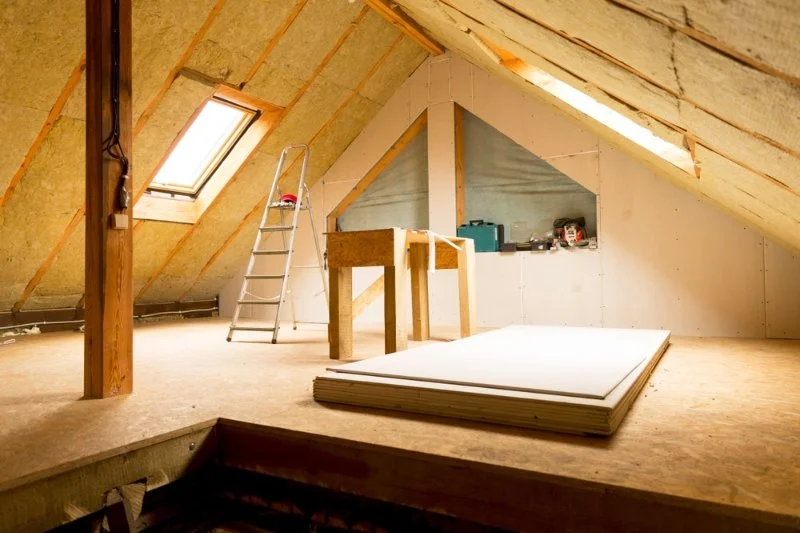
- - Introduction to Water Damage in Attics and Roof Spaces
- - 1. Common Causes of Water Damage in Attics and Roof Spaces
- - 2. How to Inspect Your Attic and Roof for Water Damage
- - 3. Steps to Repair Water Damage in Attics and Roof Spaces
- - 4. Preventing Future Water Damage to Your Attic and Roof
Introduction to Water Damage in Attics and Roof Spaces
Water damage in attics and roof spaces can cause significant harm to your home, compromising structural integrity and leading to mold growth, wood rot, and other costly repairs. Understanding how to address water damage promptly and effectively is essential for maintaining a safe and dry living environment. This article will guide you through common causes of water damage, how to inspect your attic and roof, repair steps, and prevention tips.
SERVPRO of Pompano Beach / servpro fort lauderdale south
Pompano BeachBroward CountyFlorida
2101 NW 33rd St #200a, Pompano Beach, FL 33069, USA
1. Common Causes of Water Damage in Attics and Roof Spaces
Water damage in attics and roof spaces can result from several factors, each of which requires careful attention and action. The most common causes include:
1.1 Leaky Roofs
Leaky roofs are the leading cause of water damage in attics. Aging roofs, cracked shingles, or damaged flashing can allow rainwater to seep through, causing damage to insulation, wood, and drywall below.
1.2 Poor Ventilation
Poor ventilation in the attic can trap moisture, leading to condensation on wood beams and insulation. Over time, this moisture buildup can cause mold growth, rot, and other structural issues.
1.3 Clogged Gutters
Clogged gutters can prevent water from draining properly, forcing it to overflow and leak into your attic space. Regular gutter cleaning is essential to avoid this issue.
1.4 Broken or Blocked Downspouts
Downspouts that are broken or blocked can direct water away from your roof and into your attic. It’s crucial to check the downspouts regularly to ensure proper water flow.
2. How to Inspect Your Attic and Roof for Water Damage
Inspecting your attic and roof for signs of water damage is crucial for catching issues early before they worsen. Here’s how to conduct a thorough inspection:
2.1 Look for Water Stains
Water stains on ceilings, walls, or insulation are a clear indication of water damage. Pay close attention to the areas around the roofline, especially in corners and near vents or chimneys.
2.2 Check the Attic Insulation
Wet or moldy insulation in your attic can indicate water leakage. Insulation should be dry and fluffy; if it appears matted or damp, it’s a sign of water intrusion.
2.3 Inspect the Roof for Missing Shingles
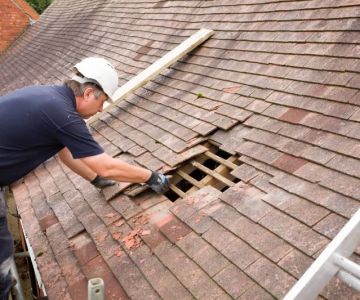
Climbing onto your roof (or hiring a professional) to check for missing, cracked, or curled shingles can help identify where water may be entering. Look for areas where shingles are no longer properly sealed.
2.4 Assess the Flashing Around Vents and Chimneys
Check the flashing around your roof vents, skylights, and chimneys for signs of wear or gaps. Damaged flashing is a common cause of leaks in attics.
3. Steps to Repair Water Damage in Attics and Roof Spaces
Repairing water damage in attics and roof spaces requires quick action to prevent further damage. Here’s a step-by-step guide to fixing the problem:
3.1 Patch the Roof Leak
If you’ve identified the source of the leak, patching it promptly can help prevent further water entry. You can either replace damaged shingles or apply a roof sealant to the affected area. For extensive damage, it may be best to hire a professional roofer.
3.2 Replace Damaged Insulation
If insulation has been soaked or moldy, it should be replaced. Wet insulation loses its effectiveness and can contribute to mold growth. Install new insulation to ensure your attic remains energy-efficient.
3.3 Repair or Replace Moldy Materials
Remove and replace any materials that have been significantly damaged by water or mold, including drywall, wood, and beams. This will help prevent further decay and preserve the structural integrity of your attic.
3.4 Clean and Dry the Area
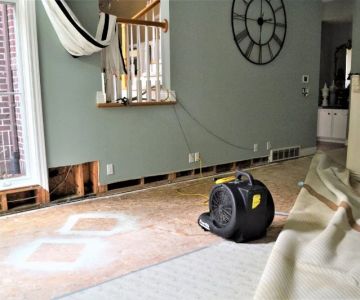
Thoroughly dry the affected area to prevent mold growth. Use fans, dehumidifiers, or professional drying services if necessary to ensure the space is completely dry before repairing further.
4. Preventing Future Water Damage to Your Attic and Roof
Once you’ve repaired any existing water damage, it’s essential to take preventive measures to avoid future issues. Here are a few steps you can take:
4.1 Regular Roof Maintenance
Schedule annual roof inspections with a professional to catch any early signs of wear and tear. This can help you address potential problems before they lead to water damage.
4.2 Clean and Maintain Gutters and Downspouts
Cleaning your gutters and downspouts regularly will prevent water from backing up and flowing into your attic. Ensure that water flows away from the roof and foundation by maintaining proper drainage.
4.3 Improve Ventilation in the Attic
Proper ventilation is key to preventing moisture buildup. Ensure your attic has adequate airflow by installing or maintaining vents and fans to keep the air circulating and prevent condensation.
In conclusion, water damage in attics and roof spaces can lead to costly repairs and long-term damage if not addressed promptly. By conducting regular inspections, repairing leaks quickly, and taking preventive measures, you can protect your home from further water damage. For expert advice and reliable repair services, visit Reliable Damage Hub for all your water damage solutions.

 Good Roads Water Damage Experts5.0 (1 reviews)
 R&R Foundation Specialist4.0 (305 reviews)
 MJ White4.0 (102 reviews)
 ATI Restoration3.0 (25 reviews)
 Modernistic4.0 (251 reviews)
 ServiceMaster Cleaning Services4.0 (27 reviews)
 Water Damage Restoration for Retail Spaces – Expert Tips and Real Cases
 How to Prevent and Repair Water Damage in Commercial Properties
 How to Protect Your Home’s Electrical System from Water Damage: Essential Tips
 Flooded Basement? Here’s How to Restore It Safely
 How to Handle Water Damage After a Storm: A Step-by-Step Guide
 How to Handle Water Damage from Burst Pipes: A Step-by-Step Guide