
- 1. Understanding Water Damage in Home Renovations
- 2. Common Causes of Water Damage During Renovations
- 3. How to Spot Water Damage in Your Home
- 4. Water Damage Restoration Tips for Home Renovations
- 5. When to Call a Professional for Water Damage Repairs
- 6. Preventing Future Water Damage During Renovations
1. Understanding Water Damage in Home Renovations
Water damage is one of the most common issues homeowners face during home renovations. Whether it's due to unexpected leaks, plumbing issues, or improper waterproofing, water damage can disrupt your renovation plans, delay progress, and lead to costly repairs. Understanding how water damage occurs during renovations and the best ways to handle it can save you both time and money in the long run.
Water damage occurs when water enters areas where it shouldn't, compromising the structure, electrical systems, and materials in your home. During home renovations, water damage is especially problematic because renovations often expose areas that were previously hidden, such as pipes, walls, and flooring. As a result, undetected leaks or moisture problems can become more noticeable and need immediate attention.
SERVPRO of Pompano Beach / servpro fort lauderdale south
Pompano BeachBroward CountyFlorida
2101 NW 33rd St #200a, Pompano Beach, FL 33069, USA
2. Common Causes of Water Damage During Renovations
Water damage during home renovations can stem from a variety of sources. Understanding these common causes will help you prevent future problems and address issues early:
- Plumbing Leaks: Old or damaged pipes can leak during renovations, especially when walls, floors, or ceilings are being opened up for improvements. Plumbing leaks are often one of the leading causes of water damage in homes under renovation.
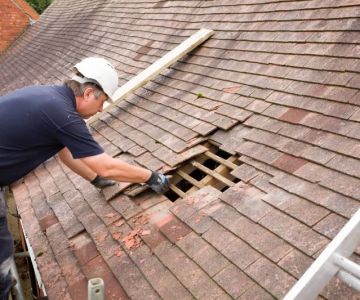
- Roof Leaks: Renovations involving roof work can expose weaknesses in the roofing structure, leading to water infiltration during rainstorms. Missing or damaged shingles can cause water to seep into your home, especially if the roofing isn’t properly sealed after the renovation.
- Faulty or Clogged Drainage Systems: During home renovations, a clogged or improperly installed drainage system can lead to water pooling in unexpected places, such as basements or crawl spaces. This can lead to significant water damage if not addressed quickly.
- Improper Waterproofing: When renovations involve installing new bathrooms, kitchens, or basements, it's essential to ensure proper waterproofing. Without adequate sealing, water can easily seep through floors, walls, or windows, leading to moisture problems.
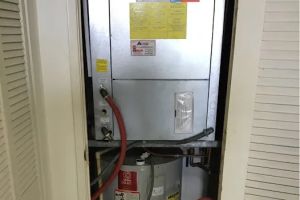
- HVAC Leaks: Air conditioning and heating systems are often altered or moved during renovations. If ducts or plumbing related to HVAC systems are damaged, it can result in moisture accumulation, which can lead to mold or mildew growth.
Identifying these potential causes during the planning phase of your renovation can help you prevent water damage and avoid costly repairs down the road.
Kustom US Restoration / kustom restoration
1215 W Houston Ave Suite A, Gilbert, AZ 85233, USA
3. How to Spot Water Damage in Your Home
Recognizing water damage early is key to minimizing its impact during home renovations. The sooner you identify the issue, the quicker you can take action to prevent further damage. Here are a few common signs of water damage that homeowners should watch out for:
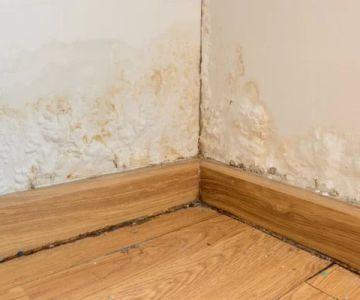
- Discolored Walls or Ceilings: If you notice brown or yellowish stains on the walls or ceilings, this could indicate water damage from a leak above. These stains often point to an issue with plumbing, roofing, or HVAC systems.
- Warped or Buckling Floors: Wooden floors, laminate, or tiles may start to warp or buckle when exposed to excessive moisture. This can occur if there's a leak under the floorboards or if water has seeped into the floor from below.
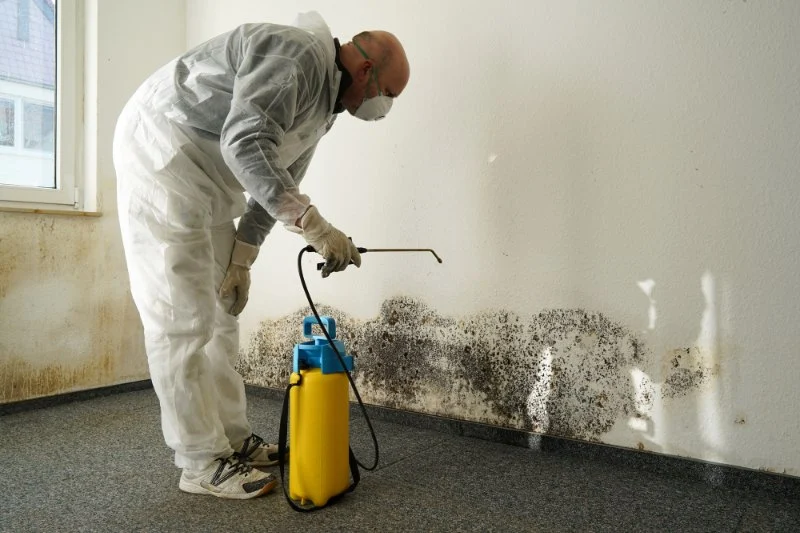
- Mold or Mildew: Mold growth is a major red flag for water damage. If you notice musty smells or visible mold in hidden corners or behind walls, it's a sign that moisture is present and has been for some time.
- Increased Humidity: If rooms in your home feel excessively humid or have condensation on windows, this could indicate water issues. High humidity levels can lead to mold growth and further damage to your home’s structure.
- Visible Water Pools: Any standing water around the house, especially in basements, crawl spaces, or areas under renovation, should be dealt with immediately to avoid long-term damage to walls, flooring, and electrical systems.
If you notice any of these signs, it's important to address them immediately before the damage spreads further. Early detection can help minimize the cost and extent of water damage repairs.
4. Water Damage Restoration Tips for Home Renovations
Once you've identified water damage during your renovation project, it's crucial to address it properly. Here are some water damage restoration tips to help you effectively manage the situation:
- Turn Off Water Supply: The first step in restoring water-damaged areas is to stop the flow of water. Turn off the water supply to prevent further leaks or flooding, especially if the damage is caused by plumbing issues.
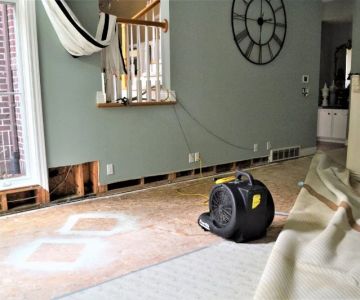
- Dry Out Affected Areas: Use fans, dehumidifiers, and other drying equipment to remove excess moisture from the air and materials. Properly drying the area is essential to prevent mold and mildew growth.
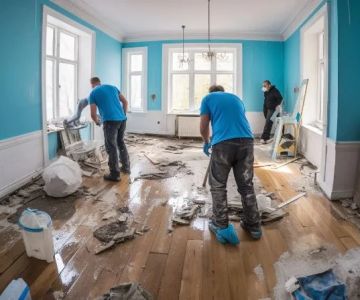
- Remove Damaged Materials: If materials like drywall, insulation, or carpeting are soaked through, remove and replace them to prevent mold from developing. These materials are often porous and difficult to dry thoroughly.
- Clean and Sanitize: Once the area is dry, clean and sanitize all affected surfaces to kill any bacteria or mold spores. This is especially important in kitchens and bathrooms, where water damage can lead to harmful microorganisms.
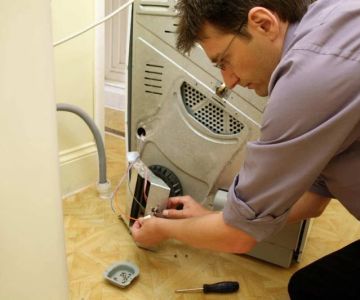
- Repair Plumbing or Roofing Issues: If the water damage is caused by a plumbing leak, roofing issue, or HVAC malfunction, make sure to fix the root cause of the problem before beginning repairs on the surrounding area. Failing to do so will only lead to recurring damage.
Following these restoration tips will help ensure that your home is properly restored and prevent future water damage from occurring.
5. When to Call a Professional for Water Damage Repairs
While DIY restoration can be effective for minor water damage, significant damage often requires the expertise of a professional. Here are situations when you should call a water damage restoration expert:
- Extensive Water Damage: If the water has spread throughout multiple areas of the home or has caused structural damage to walls, floors, or ceilings, a professional restoration service is needed.
- Severe Mold Growth: If mold or mildew is present in hidden or difficult-to-reach areas, it’s best to hire a professional who can safely remove it and prevent further health risks.
- Complicated Plumbing or Roofing Issues: Water damage caused by plumbing or roofing issues requires technical knowledge and specialized equipment to repair the source of the leak.
Professional water damage restoration experts can thoroughly assess the damage, handle the necessary repairs, and help restore your home to its pre-damage condition.
6. Preventing Future Water Damage During Renovations
Preventing water damage during your home renovations is essential for a smooth, stress-free project. Here are a few tips to help protect your home from future leaks and water damage:
- Ensure Proper Waterproofing: If your renovation involves adding new bathrooms, kitchens, or basements, make sure that proper waterproofing measures are in place, including waterproof membranes and sealants on floors, walls, and windows.
- Upgrade Plumbing and Roofing: If your plumbing or roofing systems are outdated, it’s a good idea to upgrade them during your renovation project. Replacing old pipes and repairing the roof can prevent potential leaks from occurring down the line.
- Regular Inspections: Regularly inspect your home for potential signs of water damage, especially after significant rainstorms or before beginning new renovations. Early detection can save you from larger, costlier repairs.
By taking these preventive steps, you can ensure your home stays dry and protected throughout your renovation process.
If you need expert help with water damage restoration or renovation projects, visit Reliable Damage Hub to find the right solutions and services for your home.
 Good Roads Water Damage Experts5.0 (1 reviews)
 R&R Foundation Specialist4.0 (305 reviews)
 MJ White4.0 (102 reviews)
 ATI Restoration3.0 (25 reviews)
 Modernistic4.0 (251 reviews)
 ServiceMaster Cleaning Services4.0 (27 reviews)
 Water Damage Restoration for Retail Spaces – Expert Tips and Real Cases
 How to Prevent and Repair Water Damage in Commercial Properties
 How to Protect Your Home’s Electrical System from Water Damage: Essential Tips
 Flooded Basement? Here’s How to Restore It Safely
 How to Handle Water Damage After a Storm: A Step-by-Step Guide
 How to Handle Water Damage from Burst Pipes: A Step-by-Step Guide